


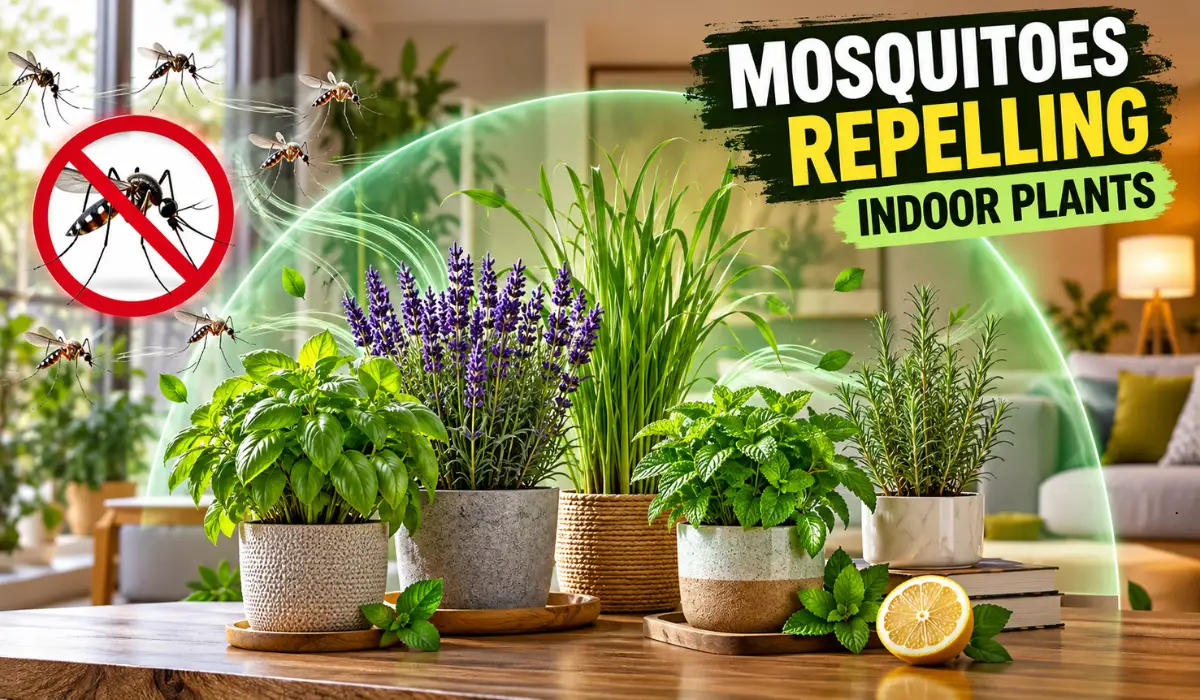
One uninvited visitor we all dread at home is the mosquito. Worse, these tiny buzzing pests can carry diseases such as dengue, malaria, and chikungunya. But you don’t always need to reach for chemical-based repellents. A gentler option is mosquito-repelling plants. These indoor plants can help keep mosquitoes away while adding greenery, pleasant fragrance, and a calming feel to your space. Here are 5 scientifically proven and beautiful plants that can help repel mosquitoes in a natural, eco-friendly way.
Lemongrass: The natural citronella source every home need
Lemongrass - If you’ve ever used a citronella candle, you’ve already experienced the oil found in lemongrass. You can keep lemongrass at home and use it as a citronella oil spray or in a diffuser to help ward off mosquitos. Place it near a sunny window or balcony to cut down on insects, especially in the evening when they’re most active.
Care tip: Lemongrass is a tropical plant, so it needs plenty of sunshine and regular watering. Keep the soil moist, but not soggy. Use a small pot on the kitchen table or near the balcony to create a pleasant atmosphere.
Bonus benefit: It has a refreshing citrusy scent you can use as a natural freshener.
Tulsi (holy basil): The sacred plant that mosquitoes hate
Tulsi isn’t just one of the most sacred plants in our home—it’s also a natural mosquito repellent. Scientists discovered that tulsi leaves release essential oils with a strong scent that repels mosquitoes. Place a few tulsi plants near windows and doors, or in the living room, to help keep bugs out.
Care tip: Keep tulsi in direct sunlight and maintain moist soil.
Bonus: Tulsi can purify the air in your house and may help strengthen your immunity.
Lavender: The aromatic barrier against mosquitoes
Lavender is loved for its calming fragrance, and it’s also a proven natural mosquito repellent. Lavender contains linalool and camphor, two naturally occurring chemicals whose scent repels mosquitoes. Keep potted lavender on window sills or use it as a table centerpiece to help keep mosquitoes (and stress) away.
Mint: The cooling herb that keeps mosquitoes away
We all love the refreshing cooling sensation of menthol, while mosquitoes absolutely hate it. Leaves with their strong aroma will effectively keep the bugs at bay. Muddle a few leaves with water to create a fresh DIY mosquito spray. Care tip: Mint thrives in moisture and ample sunshine, growing easily with just regular watering. Place the plant in a shaded corner and remember to prune it regularly for fresh leaves. Bonus tip: Pudding made with fragrant mint leaves tastes absolutely delightful.
Rosemary: The woody herb that doubles as a mosquito shield
The pungent, woody fragrance of rosemary naturally repels mosquitoes, making it an effective choice for outdoor protection. Rosemary's components, such as eucalyptol and camphor, help to ward off mosquitoes effectively. For extra mosquito protection in the evenings, you may also choose to burn several dried rosemary leaves. Care tip: Rosemary prefers sunny conditions with dry soil, so be careful not to water too much. Bonus benefit: Fresh rosemary sprigs are a delicious addition to a wide range of dishes, from roasted potatoes to herbal teas, enhancing flavors in your meals!
Why you should switch to natural mosquito protection
While chemical repellents provide instant results, they also release chemicals that can cause irritation to your skin and lungs. On the contrary, indoor plants serve as effective natural mosquito repellents that purify the air in your house and assist in keeping you stress-free. Place these beneficial mosquito repellent plants close to your windows, balcony, or the entrance of your house – wherever you notice mosquitoes entering from.
Neem (Azadirachta indica)
Neem is famous for its antibacterial and insecticidal activities. The azadirachtin, nimbin, and nimbolide found in the leaves are the representatives and larvicides. A full-size neem tree needs room to grow, but you can plant dwarf neem types in a large container. Water consistently, but don't overwater. Neem oil acts as a natural pesticide and can be sprayed on the plants to make them unfavorable to pests. Use neem oil water-soluble spray as an organic pesticide.
Citronella & Lemongrass (Cymbopogon spp.)
itronella grass and lemongrass arguably represent the best-known mosquito repellent plants. Their leaves contain lots of citronellal, geraniol and citronellol – the base components in candles and sprays. Pot them up in large containers with well-draining medium. They thrive in full sun and warm weather. Debranch and cue up the leaves, then rub them together to smell the aroma. Allow cut leaves too steep in water and use as a homebrew solution. Because grasses get top-heavy, place them in a corner that gets more than six hours of sunlight a day..
FAQ's
1. Which indoor plants actually repel mosquitoes?
Popular choices include lemon grass, lavender, marigolds, and basil, which release aromatic oils that mosquitoes dislike.
2. Are indoor plants enough to completely keep mosquitoes away?
No, plants provide only mild, localized deterrence; they work best when combined with window screens and eliminating standing water.
3. Do these plants need special indoor care?
Most mosquito-repelling plants require bright, direct sunlight for at least six hours a day, making sunny windowsills ideal.
4. Can I rub the plant leaves on my skin for protection?
Crushing certain leaves like lemon grass or catnip can release essential oils, but it may cause skin irritation for some people.
5. Do indoor mosquito plants attract other bugs?
Some flowering varieties can attract harmless pollinators, while indoor overwatering can occasionally draw fungus gnats if soil stays too wet.