Not a Hero in Uniform, but One with a Pen
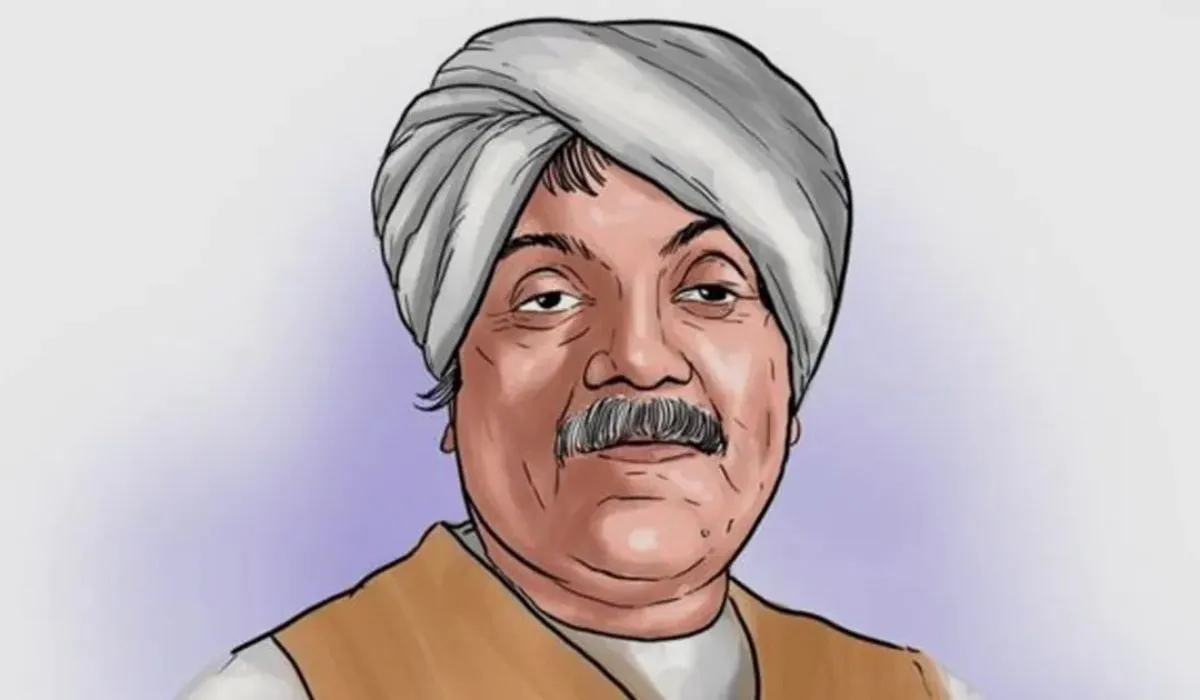
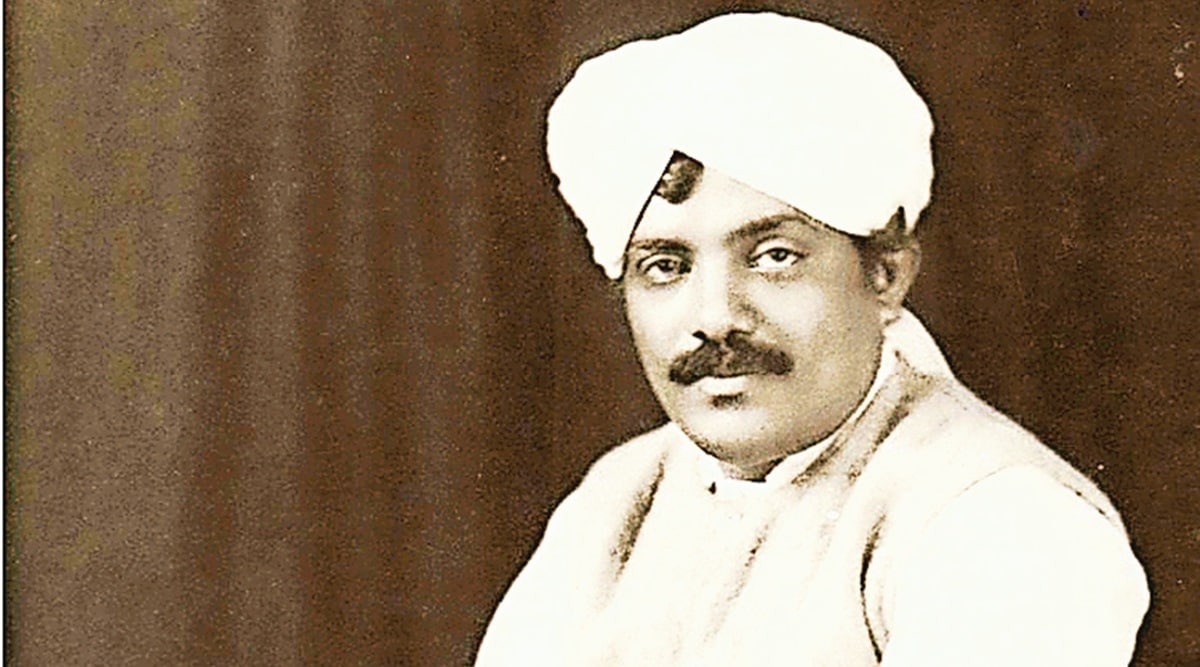
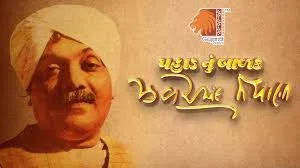
Some people fight with weapons. Some just walk and talk. But then, there are a few rare ones like Jhaverchand Meghani, who did neither—he fought with songs, with simple stories, and with a heart that wouldn’t bend. He wasn’t born to lead armies. Yet, he led a movement in his own way—with words that were soaked in truth, pain, and fire.
Meghani was born in Gujarat's tranquil tiny hamlet of Chotila on August 28, 1896. You probably wouldn’t even notice the place if you drove past. But the stories born there would shake up minds across the land.
What exactly is the Folk Spirit?
Let’s not complicate it. It is not possible to learn folk spirit in school. It’s the stuff that lives in villages, behind closed doors, around fire pits at night.
- A grandmother’s lullaby
- A tribal chant echoing in a forest
- A young man’s sorrow sung out loud
This was the world Meghani was obsessed with. He didn’t just hear these things—he felt them.
His Childhood: Not Rich, But Full of Rhythm
Meghani’s family wasn’t wealthy. His dad worked here and there. The family moved a lot. One could say he grew up more in stories than in one particular home. He worked temporarily in Kolkata after completing his studies in Bhavnagar. But even while walking to the British offices in a tie, his heart was still back home… on dirt roads, under neem trees, listening to bards with cracked voices and big hearts.
The Man Who Went Village to Village
Most writers stay in rooms with notebooks. Meghani wasn’t that type. He walked. Literally.
- He traveled across Gujarat, collecting stories people told him.
- He didn’t change those stories much. He just… saved them.
- He let the rawness stay. That’s what made it real.
A Rebel with No Weapon
When India’s freedom struggle was gaining speed, Meghani didn’t sit quiet. He didn’t hold a gun. But his songs were dangerous. Especially the collection called Sindhudo. That book had such strong patriotic lyrics that the British threw him in jail. Can you imagine? A man jailed for singing! He didn’t mind. If anything, it made his voice louder.
Famous Works (But That’s Not Why He Wrote Them)
Saurashtra Ni Rasdhar
It wasn’t just a book—it was a memory bank of Gujarat’s oldest tales.
Sindhudo
This one was pure courage. No frills. Just fire in the form of songs.
Sorathi Baharvatia
Rebels. Outlaws. Fighters.
Ravindra-Veena
A tribute to Tagore—he translated Rabindranath Tagore’s Bengali poems into Gujarati. Bridging east and west India through words.
Simple Words, Big Impact
One thing people loved about Meghani—he never made you feel small for not knowing big words.
He wrote like how your favorite uncle speaks: honest, warm, a bit messy, but it hits home.
- No long grammar puzzles
- No fancy English mix
- Simple, unambiguous Gujarati, occasionally accompanied by chest-punching pain
His Bond with Gandhi
Now this is interesting. Mahatma Gandhi once called Meghani the “National Poet”. Not because Meghani campaigned or fasted. But because his words moved people. Quietly. Deeply. They both had one thing in common: faith in the Indian village.
- Gandhi spun yarn.
- Meghani spun stories.
Both thought that India's most basic citizens were its soul.
Who Was He at Home?
He wasn’t a celebrity. He didn’t live in some bungalow with fame dripping from the ceiling. Meghani married a woman named Damyanti, and they had nine children. Nine! Even with a big family and low money, he kept writing. Editing. Singing. Collecting. He worked with Phulchhab, a local newspaper. He stayed grounded. Wrote with love, not for likes.
When He Died… And How He Didn’t
He passed away on March 9, 1947, just before India got freedom. But even now, in school prayers, in village gatherings, in dusty libraries—you’ll find Meghani. You’ll hear him. His words didn’t need a mic. They found ears all on their own.
Why You Should Still Read Him
We live in a time of reels and quick swipes. Who has the time for old poets, right? But here’s the thing: Meghani teaches you what it means to belong. To a place. To people.
You read him and remember:
- Your grandmother’s voice
- That one song you heard during a festival
- The stories your parents told but you forgot to listen to
He gives you back your roots.
Read more:- Thailand Rejects ThirdParty Mediation in Cambodia Conflict Despite ASEAN, UNSC Appeals
Final Thoughts: More Than Just a Poet
To call Meghani just a “writer” is like calling the sun just a lightbulb. You just have to care. Care about where you come from. Be mindful of the tales we fail to share.
Because as long as someone somewhere sings an old tune or tells a tale by firelight, Meghani lives on.
He was:
- A soul-catcher
- A truth-speaker
- A flame in quiet times
- A lover of people, land, and stories
You don’t need a degree to understand him. You just need a heart. And once you read him—really read him—a part of you will never be the same again.