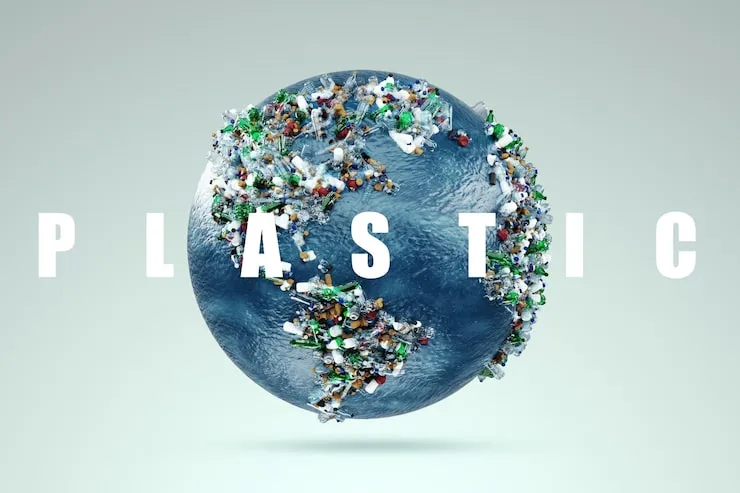
Imagine a mountain of plastic bottles. Now imagine that mountain is as tall as 100,000 skyscrapers. That’s a little bit what global plastic waste looks like every single year. It’s a huge challenge that touches every country, ocean, and community.
This isn’t just about a few stray water bottles. It’s about a tidal wave of packaging, toys, bags, and materials that last for centuries. Understanding this issue is the first step to fixing it. This guide will explore where all this plastic goes and what can be done about it.
Global Plastic Waste Guide: Understanding the Scale
The numbers are hard to picture. Every year, the world produces over 400 million tons of new plastic. That’s roughly the weight of every single person on Earth combined! A large part of this quickly becomes waste.
Much of this plastic is designed to be used just once. Think of a straw for a 20-minute drink or a plastic bag used to carry groceries home. These single-use plastics are a major part of the problem. They are made to be convenient, not to last. But because plastic is so strong, it doesn’t go away. It just breaks into smaller and smaller pieces.
Where Does All The Plastic Trash Go?
So, what happens to a plastic bottle after it’s tossed away? The journey isn’t pretty. Let’s break it down.
-
Landfills: Most plastic pollution ends up buried in giant landfills. It sits there for hundreds of years, taking up massive amounts of space.
-
Incineration: Some plastic is burned to make energy. This process can create harmful air pollution if not done carefully with special filters.
-
The Natural Environment: Too much plastic escapes into nature. It blows from trash trucks, spills from landfills, or is littered. This is how it finds its way into rivers and, eventually, our oceans.
The Ocean Plastic Crisis: A Sea of Trouble
Rivers act like highways, carrying plastic debris from cities far inland out to the sea. Once in the ocean, the problem becomes a global one. Currents can carry a plastic bottle for thousands of miles.
You might have heard of the Great Pacific Garbage Patch. It’s not a solid island you can walk on. It’s a vast, soupy area of the ocean filled with tiny plastic pieces, larger bottles, and lost fishing nets. This marine plastic debris is a deadly trap for sea life. Turtles mistake plastic bags for jellyfish. Birds feed small plastic pieces to their chicks. The health of our oceans is suffering.
Microplastics: The Invisible Invasion
The most surprising part of the global plastic waste problem is the part you can’t even see. When plastic sits in sun and water, it doesn’t truly disappear. It shatters into tiny fragments called microplastics.
These particles are smaller than a grain of rice. They are now found everywhere—in Arctic snow, on mountain tops, and in the deepest parts of the ocean. They get into the soil and the water supply. Scientists are still studying how this microplastic contamination affects human health and wildlife. It shows that plastic waste is an issue that gets into everything.
Real Solutions: A Guide to Reducing Global Plastic Waste
The situation sounds serious, and it is. But the good news is that people, companies, and governments are working on real solutions to plastic waste. Fixing this requires action from all sides. It’s like cleaning up a very big, messy room—everyone needs to help.
What Big Companies and Governments Can Do
Big changes are needed to turn the tide on plastic production and disposal.
-
Redesigning Products: Companies are starting to rethink packaging. They are creating eco-friendly alternatives made from materials that break down safely or can be reused many times.
-
Stronger Recycling Systems: Much of our plastic isn’t easy to recycle. Making packaging simpler and investing in better plastic recycling technology is key.
-
New Rules: Governments around the world are passing laws to ban problematic single-use plastics like straws and bags. These plastic waste management policies push for better systems.
As Dr. Lena Jensen, a marine biologist, explains: "We can't recycle our way out of this crisis alone. The most powerful tool we have is to simply make and use less plastic in the first place. Policy that encourages reduction and reuse is critical."
How Everyday People Can Make a Huge Difference
Individual actions add up to massive change. Your choices matter! Here’s a guide to plastic-free living you can start today.
-
Refuse and Reuse: The most powerful word is "no thanks." Refuse plastic straws, bags, and cutlery. Carry a reusable water bottle, coffee cup, and shopping bags. These simple waste reduction tips prevent trash before it’s even created.
-
Recycle Right: When you do use plastic, check your local rules. Rinse containers and only put in accepted items. Proper plastic disposal keeps the recycling system working.
-
Choose Differently: Pick products with less or no plastic packaging. Support brands that are trying to do better for the planet.
Awesome Innovations Fighting Plastic Pollution
Scientists and inventors are getting creative! Here are some cool innovations:
-
Using Nature’s Help: Researchers have found bacteria and mealworms that can actually digest certain plastics, breaking them down harmlessly.
-
Plastic Roads: Some places are melting down hard-to-recycle plastics and using them to make stronger, longer-lasting roads.
-
Ocean Cleanup Projects: Special boats and barriers are being designed to safely collect marine plastic debris from the water without harming sea life.
Global Plastic Waste Guide: Success Stories From Around the World
It’s not all bad news. Many places are showing us how to succeed.
-
Rwanda: This country banned thin plastic bags over 15 years ago. Today, it’s known as one of the cleanest nations on Earth.
-
Norway: With an amazing bottle return system, Norway recycles about 97% of all its plastic bottles. People get a small refund for every bottle they return to the store.
-
Community Clean-Ups: From beaches in Thailand to rivers in the UK, millions of volunteers gather every year to pick up trash. These events stop waste from reaching the ocean and inspire everyone to care for their local environment.
A Call to Action for a Cleaner Planet
The story of global plastic waste is one we are all writing together. Right now, the chapter is about a big problem. But the next chapter can be about clever solutions and a cleaner world.
Every reusable bottle, every piece of plastic refused, and every voice asking for better choices helps write a happier ending. The planet doesn’t need a handful of people doing zero-waste perfectly. It needs millions of people doing it imperfectly. Start with one change, and see where it leads.
FAQs About Global Plastic Waste
Q: Why is plastic so bad for the environment?
A: Plastic is designed to be durable, so it lasts for hundreds of years in nature. It harms animals that eat it or get tangled in it, and as it breaks into microplastics, it pollutes our soil and water on a tiny scale that’s hard to clean up.
Q: What is the biggest source of plastic waste?
A: Single-use plastics from packaging are a huge part of the problem. This includes food wrappers, beverage bottles, plastic bags, and straws that are used for just a few minutes but last forever.
Q: Can’t we just recycle all of it?
A: Unfortunately, no. Many plastics are hard or expensive to recycle due to their design or because they are dirty. Only a fraction of all plastic produced gets recycled into new items. Reducing our use of plastic is more effective than relying only on recycling.
Q: What are the best alternatives to plastic?
A: The best alternatives are reusable items made of glass, stainless steel, or silicone. For disposable items, look for those made from compostable materials like certain papers or plant-based plastics, but always check how your local facility processes them.
Q: How can kids help with the plastic problem?
A: Kids can be powerful changemakers! They can use reusable lunch boxes and bottles, say no to plastic toys and straws, help sort recycling at home, and even talk to their school about reducing plastic waste. Their enthusiasm often inspires adults to act too.