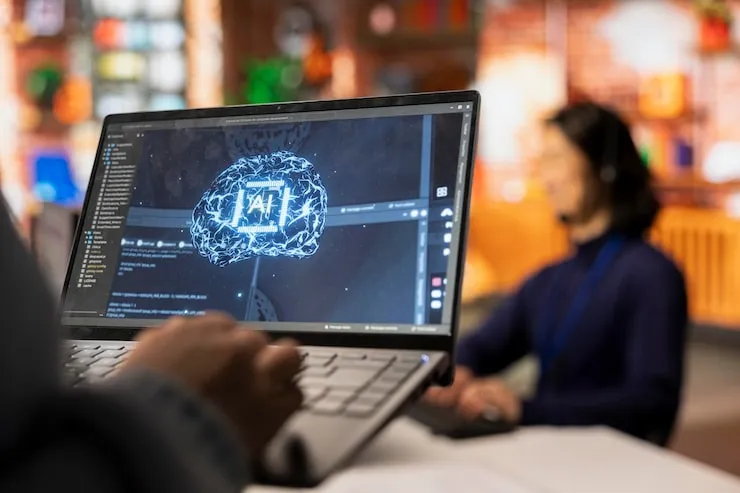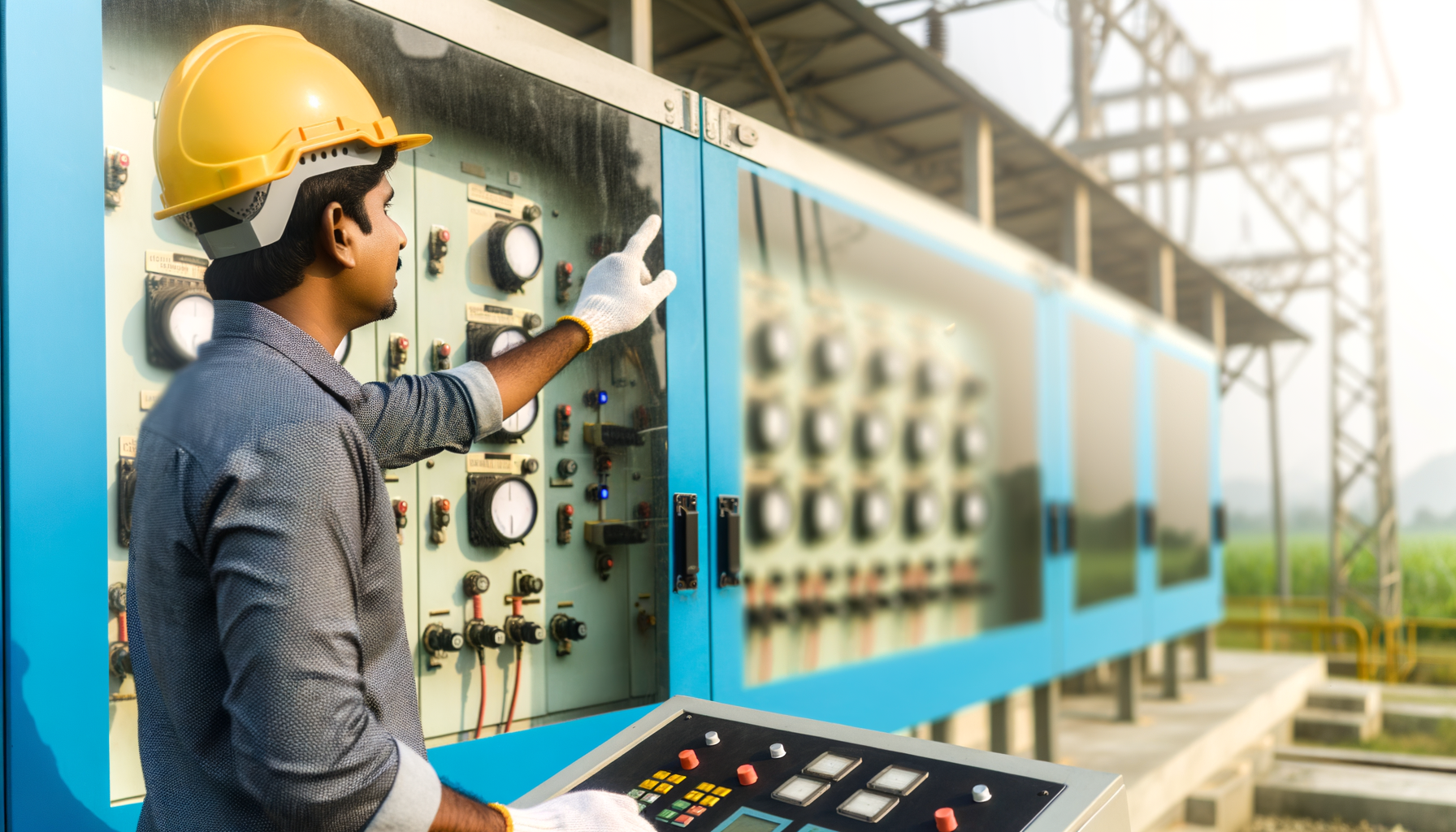
Most people don't give much thought to where their electricity comes fromunless there's a blackout. But every time you flip a switch or charge your phone, an entire network of people and machines is working behind the scenes. Lately, there's a new helper in town: intelligent automation in energy utilities. It's not science fiction. It's happening right now, and it's changing how the whole system runs. Want to know how? You're in the right place.
What Does Intelligent Automation Actually Mean for Energy Utilities?
At its core, intelligent automation means letting smart software handle routine stuff that usually eats up your time. In energy utilities, this could be as simple as a program reading meter data automatically or as advanced as software that predicts when a piece of equipment is about to quit working. This isn't just about robots or AI for the sake of showing off. It's about making everything run smoother, safer, andlet's face ita lot less stressful for the folks in charge.
- Energy utility automation keeps watch on power lines, meters, even weather, and reacts when things get weird.
- Smart grid automation balances electricity, so you dont get brownouts when everyone blasts the A/C in July.
- Automated alerts warn crews about problems, often before you notice anything on your end.
The big deal? These systems free up real people to handle stuff that actually needs a human brain or a personal touch.
Why Energy Utility Automation Matters (And Not Just for Engineers)
Ever lost power during a storm? Old-school systems meant slowly figuring out what broke and where. Now, automation spots issues instantly and helps crews fix them way faster. That means less downtime.
- More reliable poweryou dont need to reset every clock in the house after every storm.
- Lower costs over time, which can mean your bills don't spike as much.
- Safer work for utility crews, because they know what they're dealing with before they show up.
Story time: During one summer outage, my friend Sam (who works on utility lines) told me how automated systems sent his team straight to a fallen branch that was about to cause bigger trouble. No wasted time hunting, fewer people sweating in the dark.
How Does Smart Grid Automation Actually Work?
Think of the smart grid as your regular electric grid, but with brains. Sensors and devices talk to each other. They check for trouble, reroute power if something blocks the normal path, and even adjust the whole system to work around a problem.
- It automatically reroutes electricity if theres a break somewhere.
- It can spot energy hogs and let the utility know what needs fixing or upgrading.
- It helps use more renewable power (like solar and wind) by smoothing out bumps when the sun goes down or the wind stops.
Bottom line: Smart grid automation keeps things steady, handles surprises, and shrinks waste. Think of it like autopilot for your neighborhood's energy.
Where Does Utility Process Automation Fit In?
Not everything in energy utilities is high-voltage drama. There's also a mountain of paperwork and busywork. Utility process automation tackles the boring but important stuffbilling, reporting, customer service, and more.
- Software can log meter readings, send bills, and flag anything unusualno mistakes, no missed steps.
- Customer service bots can answer common questions or help schedule service calls.
- If theres a pattern (like false outage reports), the system learns and adjusts.
This keeps things honest and running on time. And honestly, it saves humans from the most tedious work on the planet.
Digital Transformation in the Energy Sector: More Than a Buzzword
Youve heard phrases like 'digital transformation' everywhere. In energy, it means swapping out paper logs and old phone calls for real-time data, analytics, and automation. This isnt about tossing humans asideit's about giving them superpowers.
- Faster decisions, thanks to instant data
- Better planning, because systems learn from years of past use
- More ways to help customers save energy and money, using apps or customized advice
Here's a quick analogy: Switching to automation is like switching from flip phones to smartphones. The basics are the same, but suddenly you can do way moreand do it faster.
Common Mistakes People Make with Automation in Power Utilities
No system is perfectespecially when you turn important tasks over to machines. Here are the big mistakes energy utilities sometimes make:
- Thinking automation will fix everythinghumans still need to check in
- Not training employees well enough on the new systems
- Forgetting to update (or maintain) the tech, which leads to breakdowns
The best utilities balance smart software with real expertise. If you skip the human side, you just end up with fancier problems.
What Will the Future Look Like for Smart Energy Utilities?
In the next few years, energy utilities will only get smarter. You'll see more homes with smart meters and grids that adjust themselves every second. Power outages should get even shorter. More renewables will join the system, and your utility bill will get more detailed and maybe even customized to how you use power.
- Utilities will fix problems even before the lights go out
- More jobs will shift to managing data and working with smart systems
- Households could make money sharing extra solar or battery power
Change is coming, but if it's done right, your power will be cheaper, cleaner, and way less of a headache.
FAQs: Intelligent Automation in Energy Utilities
- Q: What is intelligent automation in energy utilities?
A: It's when energy companies use smart software and tools to handle jobs like reading meters, spotting outages, and balancing electricity, all without people having to do it by hand. This makes your power more reliable and often cheaper. - Q: Is automation in power utilities safe?
A: Yes, most systems are built with lots of safety checks. They can shut things down or alert workers if something goes wrong. Real people still watch over the big moments to make sure nothing gets missed. - Q: How does smart grid automation help during storms?
A: When bad weather hits, automation spots problems fast. It can reroute power around a broken line, so fewer people lose service. It can also send utility crews to the exact place that needs fixing. - Q: Will jobs go away because of energy utility automation?
A: Some jobs change, but most utilities still need lots of people. The work may be differentusing data and computers more than wrenchesbut humans will always play a key role. - Q: Can automation help with renewable energy?
A: Absolutely. Automation helps control when solar or wind adds power and adjusts the grid to keep everything balanced, even when the weather changes out of the blue. - Q: What should I look for if my utility is going digital?
A: Pay attention to new tools like smart meters and apps. Ask your utility about programs that help you save energy or track your usage. Don't hesitate to ask questionsthey should be ready to help.
If you're ever stuck or curious about how your energy service is getting smarter, ask your provider. Most are happy to walk you through the new features. It's your power, after all.