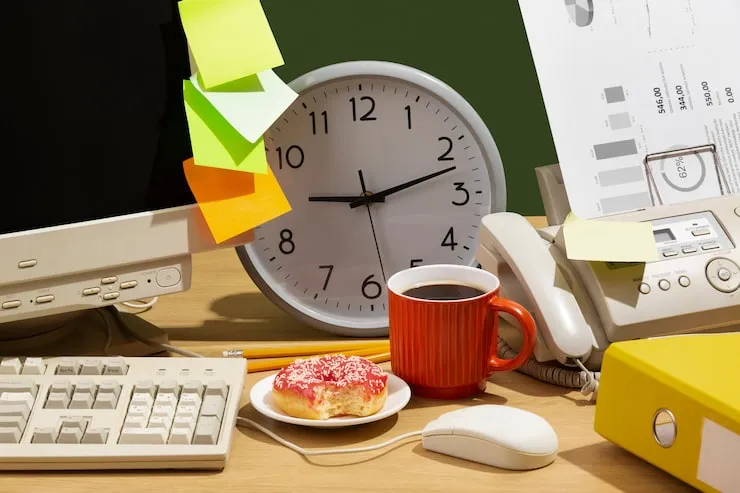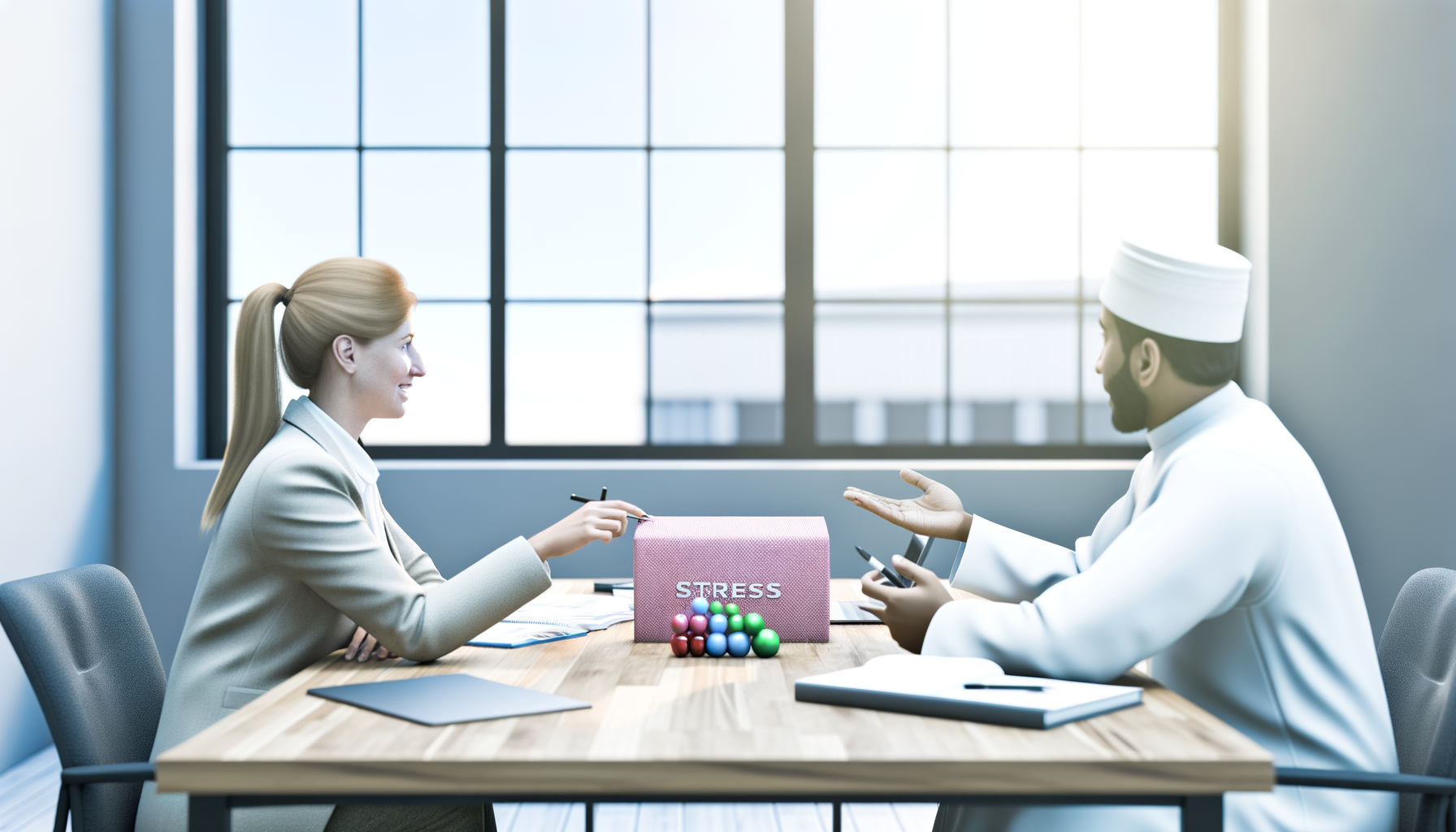
It's three in the afternoon. Half your team is on edge, emails keep piling up, and your neck feels tighter than a jar lid. If you work in an office, you know how pressure can buildfast. But here's the good news: you don't have to just accept stress as part of the deal. There are simple stress management tools for offices that actually work, for everyone from the boss to the intern. Let's walk through what helps, what doesn't, and real ways you can make the office feel better (not just look better on paper).
What Are Stress Management Tools for Offices?
Stress management tools for offices are things or habits that help people deal with work hassles, deadlines, and everyday office drama. These tools can be things you use (like noise-canceling headphones), habits you build (like regular breaks), or programs you set up (like staff check-ins).
- Physical tools like fidget gadgets or comfy chairs
- Simple routinesthink team stretch breaks or lunch walks
- Mental strategies like breathing exercises
- Apps for tracking moods or reminding you to step away
Why do these matter? Because work stress, if you ignore it, becomes a huge problemmore sick days, people quitting, and mistakes everywhere. Small changes help everyone focus, feel in control, and not hate Mondays.
Which Office Stress Control Tools Should You Try First?
Not every tool works for every team. The key is to start simple. Before you go hunting for expensive gadgets, here are some practical picks:
- Noise-Canceling Headphones: Great for loud open offices; gives people a break from the buzz.
- Plants: Low-maintenance greenery can lower stress and make rooms feel less stuffy.
- Standing Desks: Sitting for hours adds to crankinesslet people switch it up.
- Break Reminders: Use phone alarms or calendar nudges to encourage quick stretches or breathers.
- Collaborative Whiteboards: Helps teams track tasks visually so nothing gets buried or missed.
You don't have to buy everything at once. Try out one or two each month. See what people actually use and adjust from there.
How Does Employee Stress Management Change Office Culture?
Here's the honest partno tool or gadget alone will fix a toxic vibe. But showing people you care about stress builds trust. It also helps people speak up before they're burned out.
- Regular pulse checks (quick surveys about mood and workload)
- Team lunches or no-judgment vent sessions
- Anonymous ways for people to ask for help
When leaders model good habitslike leaving on time or taking breakseveryone else feels like they can too. It's less about rules, more about respect. And the ripple effect? Better work, less drama, and fewer sick days.
What Happens If You Ignore Office Stress?
Skipping stress control doesn't make the problem go away. It just pushes it underground. Some red flags:
- People calling in sick way more than normal
- Teams not talking or helping each other
- Constant mistakes or missed deadlines
- Talent leaving for less tense jobs
If any of these sound familiar, it might be time to act. The truth? Small fixes, like breaks or better chairs, cost less than hiring and training new people all the time.
What Mistakes Do Offices Make with Stress Tools?
No tool works if you don't actually use it or if you pick something nobody wants. Pitfalls to avoid:
- Ignoring staff feedback about what's not working
- Focusing on fun perks (like ping pong) but skipping real help (like schedule flexibility)
- Over-promising what a tool can doit's support, not magic
- Forgetting to train managers on spotting stress or helping staff use tools
Keep testing, swapping, and checking in. What works one year might not next year. Be willing to change up your approach as the team changes.
How to Pick the Best Workplace Stress Solutions for Your Team
Choosing the best tools is part common sense, part honest talk. Ask your team:
- What stresses you out at work?
- If you could change one thing about our space or routine, what would it be?
- Do you like quiet or buzz when you focus?
Test small changesmaybe it's music, maybe it's standing desks, maybe it's letting people shift hours. One team loved their group walks; another rolled their eyes at yoga. There is no perfect answer, just a willingness to keep at it.
Simple Habits That Cut Down Stress Fast
You dont need fancy tools for everything. Half the battle is sticking with a few small habits that make a difference. Try these:
- Short walks every afternoon
- Turning off notifications for an hour to deep focus
- Quick team check-ins in the morning
- Breathing exercises before big meetings
Easy to start, easy to keep up. The key is actually making these things routinenot just a one-time push.
Stories from Real Offices That Followed Through
One office set up a break room with puzzles and soft lighting. At first, some people ignored it, but after a few weeks, almost everyone stopped by once a day for downtime. Another switched from strict 9-to-5 hours to core hours, letting early birds and night owls work when they're most alert. Sick days dropped. People smiled more. The change wasn't instant, but it stuck because it fit the team's real needs.
FAQs about Stress Management Tools for Offices
- What is the fastest way to lower stress at work?
Step away from your screen and move your bodyeven a quick walk helps. Take deep breaths and focus on relaxing your shoulders. Fast action matters more than fancy tools. - Are workplace stress solutions expensive?
Nope. Many are free or cheap, like team breaks or letting people wear headphones for focus. Some gear costs more but isn't always necessary. - How do I know if my team needs stress management tools?
Look for signs like people snapping, calling in sick, or struggling to finish tasks. You can also ask directlysimple surveys work. - What are the most popular stress reduction tools in the office?
People love noise-canceling headphones, standing desks, plants, and apps that encourage breaks. Flexible hours and open talks with bosses make a huge difference too. - Can stress management tools replace counseling?
They help, but they're not a replacement if someone is really struggling. Office tools are for everyday stress, not serious mental health issues. - How do I get buy-in from my boss for these tools?
Show how stress hurts work and drives people away. Suggest cheap starter ideas and ask to test them. Share success stories from other offices if you can.
The bottom line: you can't stop stress completely. But you can make your office a place people actually want to workwith simple tools and small habits that add up over time. Start small. Stick with it. Healthier teams do the best workand that's good for everyone.