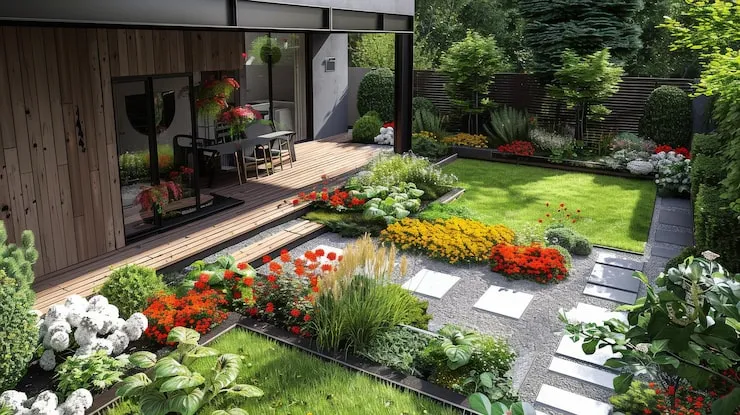
Do you have a small backyard, a tiny balcony, or just a narrow strip of land beside your house? You might think beautiful gardening is out of reach. I’m here to tell you that’s not true. Any space, no matter how small, can become a green paradise. With clever planning and smart design, you can create an amazing outdoor retreat. This guide is packed with practical ideas to help you make the most of every inch.
Let’s explore how to turn your compact area into a lush, joyful escape.
Transform Tiny Spaces with Genius Small Garden Designs
The secret to a great small garden is thinking differently. It’s not about what you can’t have. It’s about being creative with what you can have. A small space is easier to manage and can feel incredibly cozy and private. The goal is to create a spot where you love to spend time. You want a place to relax, grow herbs, or enjoy a morning coffee. With the right approach, you can do all this and more.
Good design makes a small garden feel larger and more inviting. It adds beauty to your home and can even attract lovely birds and butterflies.
Start with a Plan: Your Blueprint for Success
Before you buy a single plant, grab a notebook. Look at your space. How much sun does it get? Is it sunny all day or mostly shady? This is the most important step for choosing plants. Draw a simple map. Mark where the doors, windows, and fences are. Think about how you want to use the space.
Do you need a seating area? Do you want to grow vegetables? Maybe you just want a colorful view from your kitchen window. Knowing your gardening goals for patios and balconies will guide every decision. A good plan saves time, money, and helps you avoid mistakes.
Go Vertical: The Ultimate Space-Saver
When floor space is limited, look up! Walls, fences, and railings are blank canvases. Using vertical space is a genius solution for compact living areas.
-
Climbing Plants: Use trellises, obelisks, or simple wires to guide plants upward. Sweet peas, clematis, and some beans create beautiful, living walls.
-
Wall Planters and Pocket Gardens: You can find special fabric panels with pockets to plant in. Or, use shelves and mounted pots to create a stunning vertical herb garden.
-
Hanging Baskets: Don’t forget the ceiling! Hang baskets from overhead beams or hooks. They are perfect for trailing plants like petunias, fuchsias, and strawberries.
Vertical gardening adds layers of interest and makes your garden feel enveloped in greenery.
Choose Multi-Functional Furniture and Features
Every item in a small garden should earn its place. A bench with storage inside is perfect for holding cushions or tools. A foldable bistro set can be put away when you need more floor space. Even your planters can be smart.
A tall, narrow planter can act as both a garden feature and a subtle privacy screen. When you select space-saving garden solutions, you add function without clutter.
The Magic of Container Gardening
Containers are a small garden’s best friend. They give you total control. You can move them to catch the sun or make room for guests. You can create beautiful container arrangements for limited spaces by using the “thriller, filler, spiller” method.
-
Thriller: One tall, eye-catching plant in the center (like a grass or cordyline).
-
Filler: Bushy plants that fill the middle (like geraniums or begonias).
-
Spiller: Trailing plants that spill over the edge (like ivy, nasturtiums, or sweet potato vine).
Mix and match pots of different sizes and heights for a dynamic look. Grouping several pots together creates a mini garden scene.
Select the Right Plants for Small Gardens
Choosing plants carefully is key. You want plants that provide beauty for a long time without taking over.
-
Dwarf and Compact Varieties: Many popular shrubs and trees come in smaller sizes. Look for labels like “dwarf,” “compact,” or “patio.” You can find small Japanese maples, compact hydrangeas, and dwarf fruit trees.
-
Plants with Long Seasons of Interest: Choose plants that offer more than just a short bloom. Some have colorful leaves, interesting bark, or pretty berries in fall. Ornamental grasses and evergreen ferns add texture all year.
-
Scale is Important: Avoid plants that grow too large too fast. They will quickly make your space feel crowded and overwhelming.
As garden designer and small space expert, Michele Peters, notes: “In a confined area, every plant is a focal point. Choose each one like you’re selecting a piece of art—for its form, color, and the feeling it brings to the space.”
Create Illusions to Make Your Garden Feel Bigger
Tricks of the eye can work wonders. Use these design hacks for urban backyards:
-
A Curving Path: A straight walkway shows the garden’s end quickly. A gently curving path made of stepping stones makes you wonder what’s around the corner, creating a sense of mystery.
-
Layering: Place taller plants at the back and shorter ones in front. This adds depth and makes the garden feel deeper than it is.
-
A Focal Point: Draw the eye to one special feature. This could be a beautiful pot, a piece of garden art, or a brightly colored chair. When you have a point of interest, you notice the detail, not the size.
Embrace Edible Landscaping in Tiny Plots
You don’t need a big farm to grow food. Many vegetables and herbs are perfect for small spaces.
-
Salad Greens: Lettuce, arugula, and spinach can be grown in shallow trays or window boxes.
-
Herbs: Create a kitchen garden in a compact footprint right outside your door. Basil, thyme, rosemary, and mint thrive in pots.
-
Vertical Veggies: Grow tomatoes, cucumbers, and pole beans on a trellis. Use stackable planters for strawberries or potatoes.
Mixing pretty edible plants like rainbow chard or purple basil with flowers is both smart and beautiful.
Lighting and Decorative Touches
Your garden shouldn’t disappear when the sun goes down. Simple lighting ideas for cozy garden nooks extend your enjoyment into the evening.
-
String fairy lights in trees or along a fence.
-
Use solar-powered stake lights to line a path.
-
Place a few lanterns with LED candles on a table.
Add personality with decor. A colorful throw pillow, a wind chime, or a small water feature adds charm. These touches make the space feel like an outdoor room, not just a yard.
Easy-Care Tips for Your Miniature Eden
A small garden should be a joy, not a chore. Keep maintenance simple:
-
Use Mulch: A layer of mulch in your pots or beds helps soil stay moist and stops weeds from growing.
-
Install Drip Irrigation: A simple timer and tube system for containers saves water and time.
-
Deadhead Regularly: Pinch off faded flowers. This encourages plants to make more blooms instead of seeds.
-
Choose Slow-Growing Plants: This means less pruning and reshaping every year.
Your Journey to a Beautiful Small Garden Starts Now
You don’t need a magic wand to transform tiny spaces with genius small garden designs. You just need a plan, some creativity, and a love for growing things. Start small. Maybe with one container of your favorite flowers or a herb garden on your windowsill. Each step will bring you closer to your own private oasis.
Remember, the best garden is the one that brings you happiness. So, grab your notebook, look at your space with fresh eyes, and begin your gardening adventure today!
FAQs: Your Small Garden Questions Answered
Q: What are the best plants for a balcony that gets a lot of wind?
A: Wind can dry out plants quickly. Choose tough, drought-tolerant plants. Ornamental grasses, sedum, lavender, and rosemary handle windy conditions well. Always use heavy pots so they don’t blow over.
Q: How can I have a garden if I only have a shady space?
A: Many plants love shade! Focus on beautiful leaves instead of flowers. Hostas, ferns, heuchera, and begonias are fantastic plants for shaded nooks and corners. They create a cool, calming green retreat.
Q: I’m a total beginner. What’s the easiest thing to start with?
A: Herbs are the perfect start! Try growing mint, basil, or chives in a pot. They are useful, grow quickly, and are very forgiving. It’s a rewarding first step into gardening.
Q: How do I keep pests away without using harsh chemicals?
A: Encourage natural helpers! Plant marigolds or nasturtiums to repel some insects. A small bird feeder can attract birds that eat pests. For aphids, a strong spray of water from the hose often does the trick.