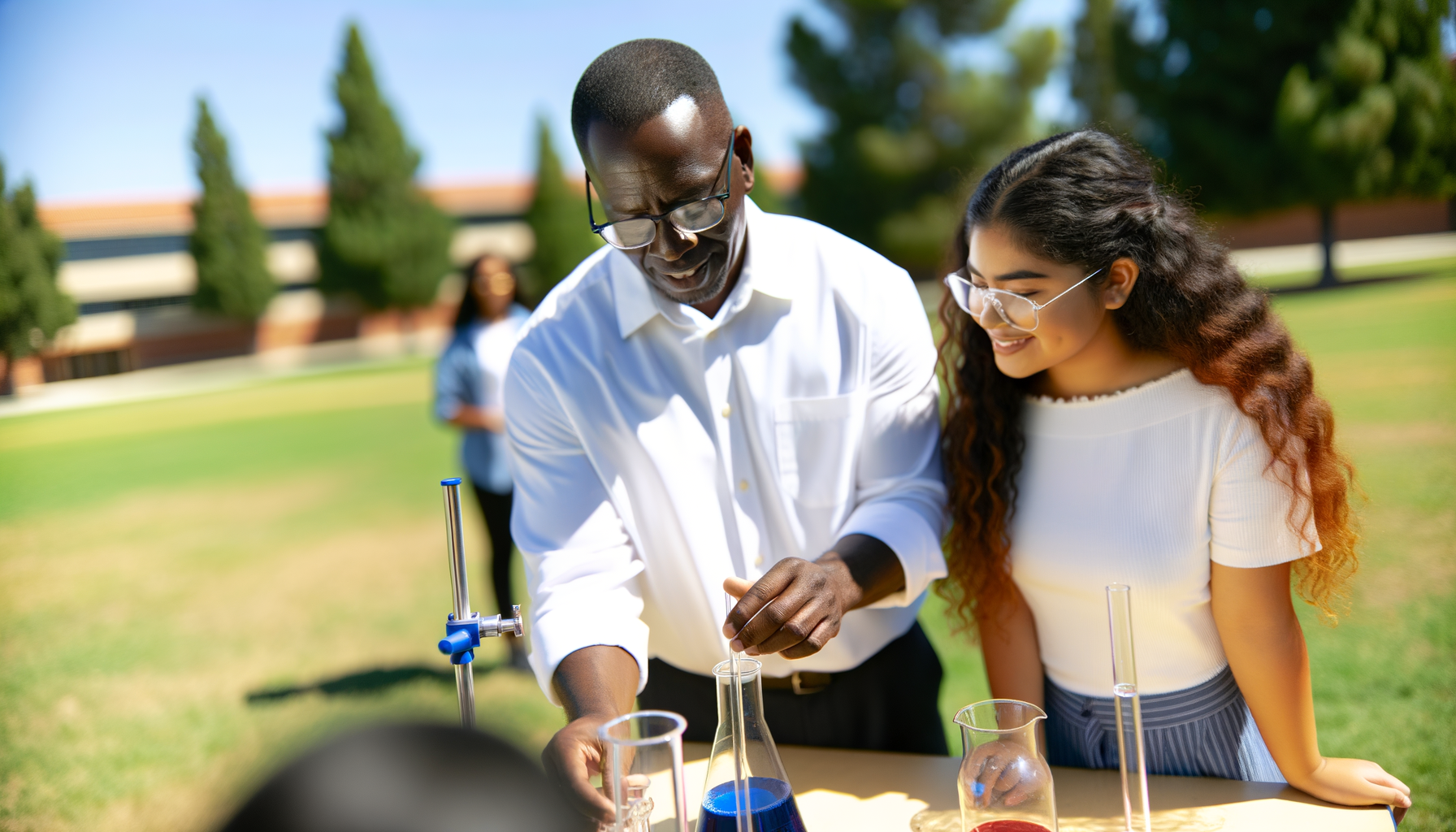
Most people think of classrooms with kids in white coats and bubbling test tubes when they hear about stem education. But that's not the real story. The real change-makers? They're the teachers turning LEGO bricks into engineering lessons, the libraries lending out robots, and parents encouraging kids to ask 'why' and 'how' until everyone in the house is stumped.
If you've wondered how schools (and even families) are actually raising the next big thinkers, this is for you. We'll cut through the noise, get to the heart of what makes stem learning different, and share the things nobody else is talking about.
What's Different About Stem Education, Really?
Stem education isn't a new way of saying 'math class.' It's about showing kids how the stuff they learn connects together. Science, technology, engineering, and math team up for real-life problem-solving.
- Science education is more than memorizing factsit's hands-on and messy.
- Technology education includes coding a game or fixing an old phone.
- Engineering education might start with popsicle sticks and glue, not blueprints.
- Math education meets pizza slices when fractions get confusing.
When you tie these together, you get stories and projects instead of boring worksheets. That matters because kids remember what they create way more than what they cram.
How Do Real Schools Make Stem Learning Stick?
Great stem learning isn't about fancy equipment. It's about attitude. Teachers who admit when they don't know an answer and figure it out with their students build problem-solvers. The best classrooms:
- Encourage open-ended questions (even the weird ones)
- Let kids make mistakes without freaking out
- Use every part of the roomwalls, floors, tablesas project zones
- Mix in games, challenges, and team projects
When was the last time you stuck with something because it was fun? Thats how stem learning works best.
Why Is Everyone Obsessed With Kids Learning Code?
Coding is like the new readingpeople are worried kids will fall behind if they can't speak 'computer.' But here's the secret: not every future innovator needs to build an app. Learning how to break a big problem into small steps, spot errors, and keep trying when things don't work? That's the real win.
- Try free coding gamesthere are tons (and you don't need to understand them either)
- Let kids explain their codeif they can teach it, they get it
- Focus on the thinking behind the code, not just getting it to run
Can You Boost Creativity With Stem?
Creativity isn't just for artists. When kids build bridges from marshmallows or invent a robot that draws silly pictures, they're being creators, not consumers. Good stem education gives space for projects that don't have one 'right' answer.
What helps?
- Letting kids tackle topics they're curious about
- Giving lots of suppliescardboard, wire, tape, old gadgets
- Celebrating wild ideas, not just pretty results
What Trips Most People Up About Stem?
Two thingsthinking you need to be an expert, and expecting results fast. Most parents and teachers worry they're not 'math people' or never learned to code. The truth? Your job is to model learning, not pretend you know it all. It's also easy to get frustrated when a project fails. That's normalthe best innovators mess up a lot.
How Does Stem Education Shape the Future?
Jobs keep changing, but employers keep asking for the same thing: people who can solve weird problems and explain how they did it. Kids who learn through stem don't just memorize facts. They make stuff, break stuff, ask questions, and come up with new ways to fix things.
- They stand out because they try things most people won't
- They learn teamwork by failing and fixing projects together
- They build confidence from figuring things out themselves
Your kid may not build rockets. But they might fix a broken toy or figure out why the Wi-Fi crashed... and that's huge.
How Can Parents and Community Jump In?
You don't need special training or a science background to help. Try these:
- Ask questions when your kid says something interesting
- Take apart gadgets together (even if you can't fix them)
- Support after-school clubs, science fairs, or robotics teams
- Let 'boredom' turn into project timesometimes great ideas show up when there's nothing to do
The goal? Show kids it's okay not to have all the answers. Let curiosity lead and mistakes happen.
What If You Don't Have Fancy Tech or Labs?
Some of the best stem learning happens without screens or expensive gear. Backyard science, recycled materials, simple puzzles, and swap meets for old electronics can spark more learning than a brand-new laptop.
- Try building towers with spaghetti and marshmallows
- Mix baking soda and vinegarold trick, but always cool
- Draw blueprints for a dream treehouse or a wacky invention
Do All Kids Need the Same Stem Path?
No way. Some click with math, others go wild for robots, some just want to dig in the garden. What's most important is giving a mix of experiences and not shutting down ideas when they're different or odd.
- Let kids pick projectsthey'll work harder on what excites them
- Pair up strengthsteam a coder and a builder for fun results
Quick Takeaways
- Stem education is about learning by doing, not memorizing
- Mistakes are part of the gameshowing up and trying matters more than having the right answer first
- Anyone can support stem learningno degree or fancy gear needed
- Encourage questions, celebrate creativity, and let curiosity run wild
The biggest secret? You don't need to be perfect. You just need to show up and nudge kids to explore. Every future innovator starts by asking a question nobody knows how to answeryet.
FAQs about Stem Education
- What is stem education in simple words?
It's a way of teaching that blends science, technology, engineering, and math together using real-life projects. Instead of just reading or listening, kids actually try, build, and create things. They learn by doing, not memorizing. - How can parents add stem learning at home?
Let kids lead the way with their interestsbuild things with blocks, mix up kitchen experiments, or solve simple puzzles. Ask lots of 'why' and 'how' questions, and let them tinker, even if it gets messy. - Why is coding included in stem education?
Coding helps kids think in steps, fix mistakes, and be creative problem-solvers. Even if they don't become programmers, learning to code teaches them how to break big problems into smaller ones and not give up when things go wrong. - Do all schools need high-tech tools for good stem learning?
No. Simple stuff like recycled materials, regular craft supplies, and household items can teach science or engineering just as well as fancy gadgets. The important thing is letting kids try and fail safely. - How does stem education help with future jobs?
It teaches the skills employers always wantlike solving problems, working in teams, and thinking creatively. Kids who learn this way are comfortable with new technology and aren't afraid to figure things out, which is helpful in any job. - What if my child isn't 'good at math'should they skip stem?
Not at all. Stem activities are about trying and learning, not getting every answer right. When kids see math as a way to solve real problems (not just numbers on a page), it often starts to make more senseand can even be fun.