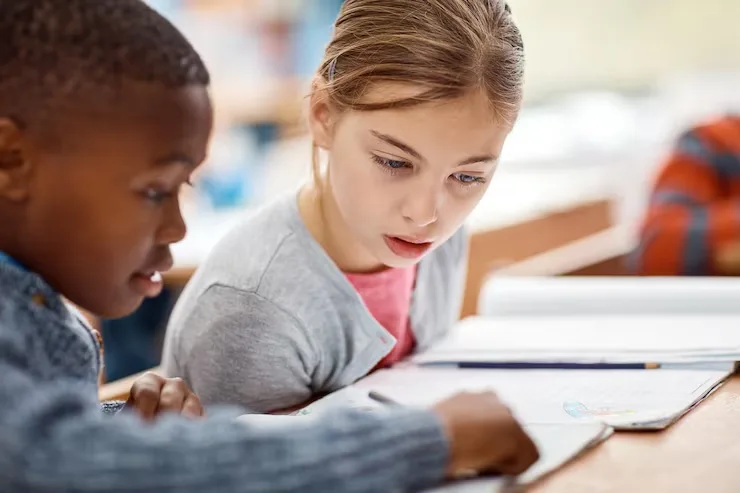
Remember that kid who never made eye contact? Or the student who couldnt wait her turn, always blurting answers? Every classroom has them. As a teacher, you juggle a hundred learning goals, but social skills? Those are the tools that stick with kids for life. If youre tired of watching students struggle with friendships or teamwork, youre not alone. Good news: teachers have real tools for improving student social skills, and most are simpler than you think. Today, Ill break down the secrets teachers use to build these skills, why they work, and how you can try themstarting tomorrow.
What Are Social Skills and Why Do Kids Need Them?
Social skills are the ways we connect, share, and get along with others. For students, its things like listening, making friends, working in a group, and solving disagreements without an argument. Why does it matter? Kids with stronger social skills have an easier time learning, feel more confident, and avoid most behavior problems. But heres the catch: social skills dont pop up out of nowhere. Theyre taught and practiced, like reading or math.
- Listening and waiting their turn
- Expressing feelings without drama
- Working through disagreements
- Respecting differences
If you skip this step, academic lessons get buried under fights, tears, and silent tension. Nobody wants that.
What Tools Help Kids Improve Their Social Skills?
Heres what teachers rely onnot fancy tech, but proven tools that work:
- Role-play games: Kids act out real-life situations so they can practice kind words, sharing, and standing up for themselves.
- Social stories: Short, simple stories show what good social skills look like, from joining a game to asking for help.
- Classroom jobs: Giving students real roles steps up teamwork and helps everyone feel included.
- Circle time check-ins: Students share highs and lows, learn empathy, and practice listening.
- Pair and share: Quick partner talks to build confidence and practice polite conversation.
The trick isnt just having these toolsits using them every day, not just when theres a problem.
How Do Teachers Build Social Skills Into the Day?
Its not about adding more to your plate. The real secret? Slip social skills practice into what youre already doing. Heres how teachers do it:
- Starting the day with a morning greeting as simple as a fist bump or a smile.
- Using turn and talk during lessons so every student has a chance to speak and listen.
- Setting up classroom rules together, not just handing them down.
- Celebrating acts of kindness publicly, even the small stuff.
Sure, youll run into moments when someone rolls their eyes or refuses to take part. Dont back down. The routines work because kids see you mean it.
What Mistakes Do Teachers Make With Social Skills?
Heres the honest list:
- Waiting until theres a blowup to teach social skills. Fixing is harder than preventing.
- Assuming older students already get it. Some middle schoolers still need help sharing.
- Using scripts that sound fake. Kids spot a put-on from a mile away.
- Not modeling the skill yourself. Want kids to listen? Show them what real listening looks like.
So, what works better? Keeping it real, repeating skills often, and owning up when you mess up too.
Easy Social Skills Activities Any Teacher Can Use
If youre stuck, try these zero-prep ideas tomorrow:
- Compliment chain: Each student gives a genuine compliment to a classmate.
- Freeze and greet: When you say freeze, students find a partner and do a quick introduction or share one thing from their weekend.
- Emotion charades: Act out feelingshappy, mad, disappointedand guess what they are.
- Problem box: Students drop in real questions or friendship problems. Pick one and solve it as a class.
- Kindness journal: Keep track of acts of kindness (seen or done) for one week.
These activities build habits. Small steps add up fast.
When Social Skills Dont Come NaturallyWhats Next?
Not every student is ready to jump in. You might have students who seem nervous with others or avoid eye contact. Thats normal. With these kids, the key is patience.
- Start with smaller groups or one-on-one.
- Use clear, simple instructions. No complicated roleplay.
- Give positive feedback for tiny improvements.
- Check in privately if you sense a student is struggling.
Progress might be slow, but every tiny win matters. Some kids just need more time and reassuranceand thats okay.
Changing Classroom Culture: What Happens When Kids Have Stronger Social Skills?
Heres what teachers notice when these tools kick in:
- Fewer arguments and outbursts
- More kids caring how classmates feel
- Groups work betterless blaming, more helping
- Academic work gets done faster because theres less drama
It doesnt turn your class into a group of best friends, but it does mean kids feel safer and more willing to try something new. Thats a big deal.
Final Thoughts: Start Small and Stick With It
Theres no magic button to give kids perfect social skills. What works is being consistent. Try one new tool for improving student social skills this week. Watch what changes. Tweak it, talk about what was weird or awkward, and then try again. Youll spot the differencenot in one daybut in how kids help, talk, and treat each other a month from now. Thats what sticks.
FAQs: Tools for Improving Student Social Skills
-
Whats the best activity for shy students to practice social skills?
Start with pair-and-share. Its a simple way to let shy students talk with just one partner, not the whole class. It takes the pressure off and helps them build confidence with tiny steps. -
Can classroom strategies for social skills work with older kids?
Absolutely. Older students still need to practice listening, teamwork, and problem-solving. Tweaking the activity to make it age-appropriate (like using real-world scenarios) helps everyone stay interested and learn. -
What teacher resources for social development are most helpful?
Look for resources that dont need big prepthings like social stories, role-play cards, and daily check-in prompts. These help you fit social skills development into any busy schedule. -
How do you handle students who refuse to join social skills activities?
Dont force or embarrass them. Invite them to watch or join when theyre ready. Sometimes, letting them see others enjoy the activity makes them more willing over time. -
How long before I notice a change in students social skills?
It usually takes a few weeks of steady practice to see real changes. You might spot small shifts soonerlike more kids saying please or offering help. Be patient; bigger habits take time to stick. -
Are social skills activities for students effective for kids with special needs?
Yes, but you might need to adjust the instructions or give extra support. Simple steps, lots of patience, and celebrating small wins make a huge difference for these students.