Some subjects like geometry and biology will always fit onto a school's curriculum in almost the exact same way. But others like history and social studies constantly evolve to take into account recent history and social changes. Here are the things that kids will learn in school that we didn't.
How Schools Teach COVID-19 and Future Pandemics?
Though recent outbreaks of viruses like the H1N1 swine flu, along with SARS and MERS, have occurred, fortunately, none reached pandemic level. So, when a novel coronavirus started making people in China sick in the final days of 2019, many people assumed it would be a similar situation. Within a few months, COVID-19 (the disease caused by this novel strain of the coronavirus) became a global pandemic.
Not only will students likely learn about the COVID-19 outbreak starting this fall, but it could also mean more inclusion of public health in the curricula. Lessons could include everything from basic hygienic practices, to how viruses spread, to the history of large-scale infectious disease outbreaks, including the 1918 Flu Pandemic.
Ideally, lessons will also include background on how COVID-19 disproportionately impacted communities of color in the United States, along with why it’s so important to address racial health disparities immediately.
September 11 and the War on Terror
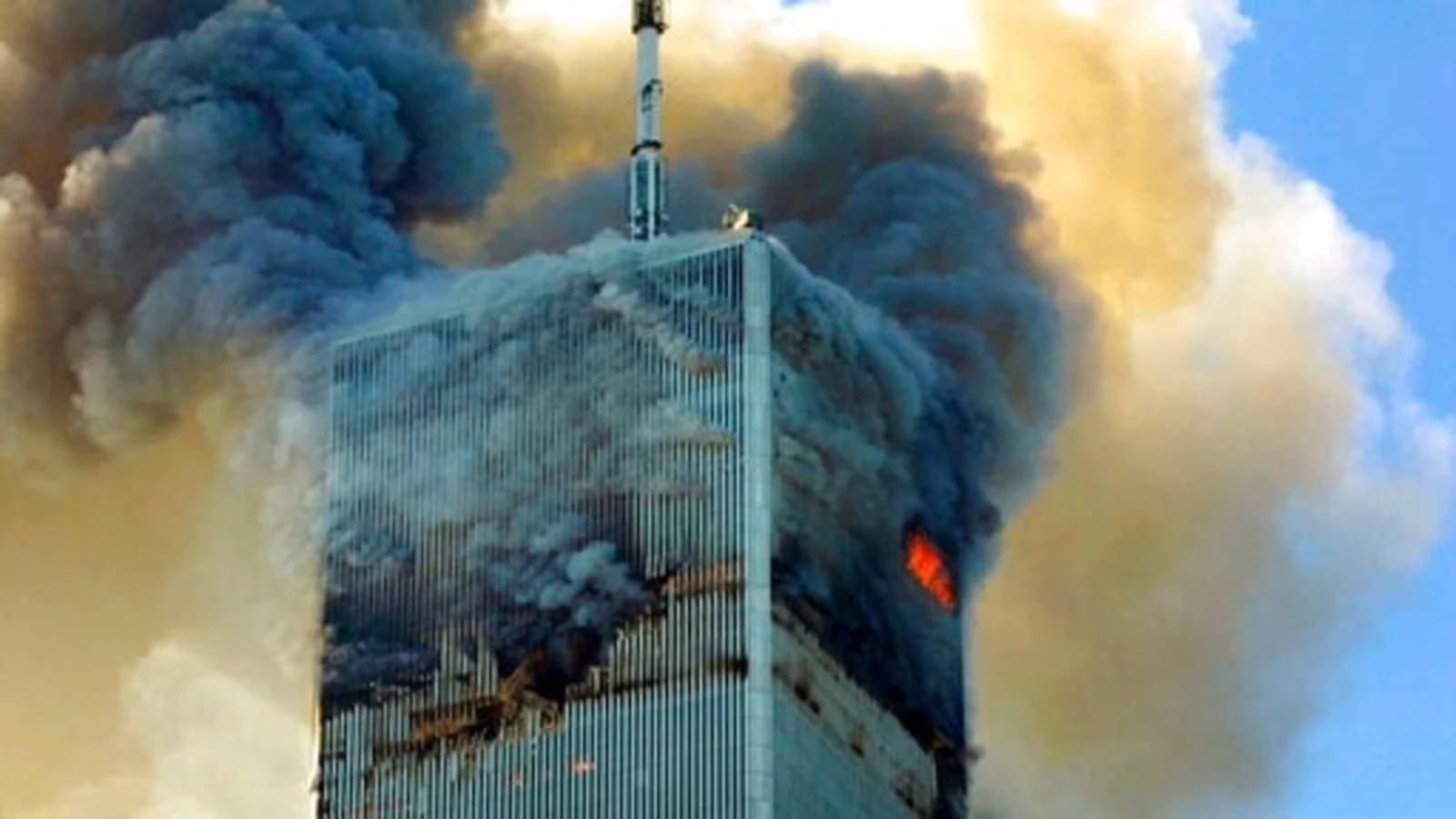
Most people alive on September 11, 2001, know exactly where they were when they first learned that hijackers crashed a plane into the Twin Towers in New York City but at this point, even high school seniors were born after the event.
Given how much changed after 9/11 in the United States, educators often teach it as a defining moment in modern history. “This lesson has a wide range of components to it including border security, immigration, foreign policy, military and even the debates on religion and foreign dependence on oil,” Michael Hart, a historian and author of Unknown America, tells Reader’s Digest.
You may also read :- Subjects Formerly Taught in School: Forgotten Lessons
LGBTQ+ history
Four states California, Colorado, New Jersey, and Illinois currently have laws in place mandating that LGBTQ+ history is incorporated into their curriculum. Joy Koratzanis, a teacher in Barnegat, New Jersey who has also worked on developing curricula, says her school has fully embraced this addition, featuring figures like Harvey Milk and Sally Ride in classroom lessons, as well as having an LGBTQ+ club with an advisor.
Though only four states currently require that LGBTQ+ history be included in the curriculum, that is likely to increase. Topics like how the rainbow became associated with gay rights may also be included in lessons.
Mass shootings
Though mass shootings are unfortunately not a new American phenomenon, they are becoming increasingly common, perhaps most visibly in schools like Parkland and Sandy Hook. Koratzanis, who has taught in both Florida and New Jersey, says that school shootings are “a genuine concern for students and teachers.”
After 17 people were killed at Marjory Stoneman Douglas High School in Parkland, Florida, both the students and faculty of her school district took ALICE training, where they learned to respond to an active shooter and defend themselves.
At this point, Koratzanis says that the topic of mass shootings isn’t relegated to a single classroom lesson, but rather is “a constant conversation” that occurs throughout the year. Here are more things that people are doing to prevent school shootings.
Character education
As social media becomes more entrenched in children’s lives, genuine human interactions and processing emotions have become a challenge. “For our students today, social media is their number-one concern,” Koratzanis explains. Not surprisingly, cyberbullying poses a major problem. “It used to be that if someone makes fun of you, you then get to go home and wouldn’t have to deal with it.
But it’s not like that anymore,” she says. Now, thanks to technology like Snapchat and texting, kids can bully each other all day, every day, which has been linked to more issues with mental health and suicide. In fact, a 2018 study found that people under the age of 25 are more than twice as likely to self-harm and enact suicidal behavior if cyberbullies have targeted them.
Social media and podcasts
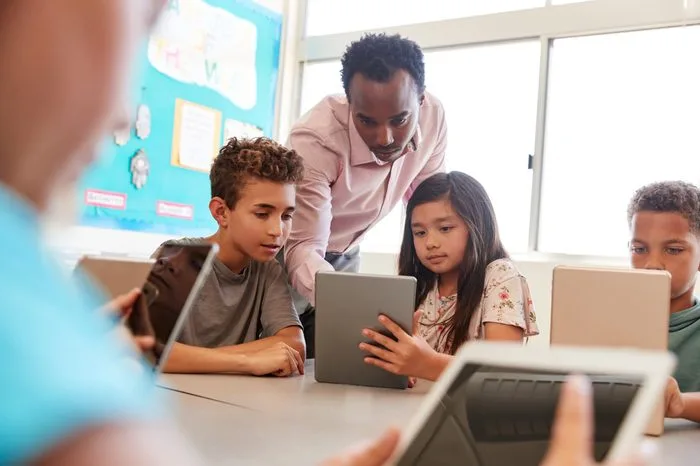
But as problematic as certain aspects of social media have become, it is also an important teaching tool and subject of classroom lessons. According to Koratzanis, teachers at her school encourage the infusion of social media into lessons as a way of bringing them to life, whether it involves having students weigh in on a weekly discussion question or having a teacher post photo of a visit to a historical site that the student may not have otherwise had a chance to visit.
In addition, an English teacher at her school also starts having students create their own podcasts in order to get a better understanding of this increasingly important medium. And if you’re looking for recommendations, here are 12 podcasts that you should listen to.
The Great Recession
Just as we learned about the Great Depression of the 1930s, students will learn about the Great Recession of 2008, Robert Kane, PhD, professor of history at Niagara University tells Reader’s Digest. “It simultaneously showed the strength of U.S. economic institutions in that the federal government had tools available to keep the crisis from worsening, and also the wages of wealth inequality among Americans,” he explains.
FAQ
1. What new subjects are kids learning in school today?
Kids today learn modern subjects like public health, social media literacy, LGBTQ+ history, mental health awareness, and recent global events such as COVID-19 and the Great Recession.
2. How has the school curriculum changed over time?
School curricula have evolved to include current events, technology, and social issues. Unlike the past, today’s education focuses more on real-world problems, digital skills, and emotional well-being.
3. Why are topics like COVID-19 taught in schools?
Topics like COVID-19 are taught to help students understand public health, how diseases spread, and the importance of hygiene and global preparedness.
4. Do schools teach social media and cyberbullying awareness?
Yes, many schools now include lessons on social media use, online safety, and cyberbullying to help students navigate the digital world responsibly.
5. What is character education in schools?
Character education teaches students important life skills such as empathy, respect, responsibility, and emotional intelligence to improve behavior and relationships.