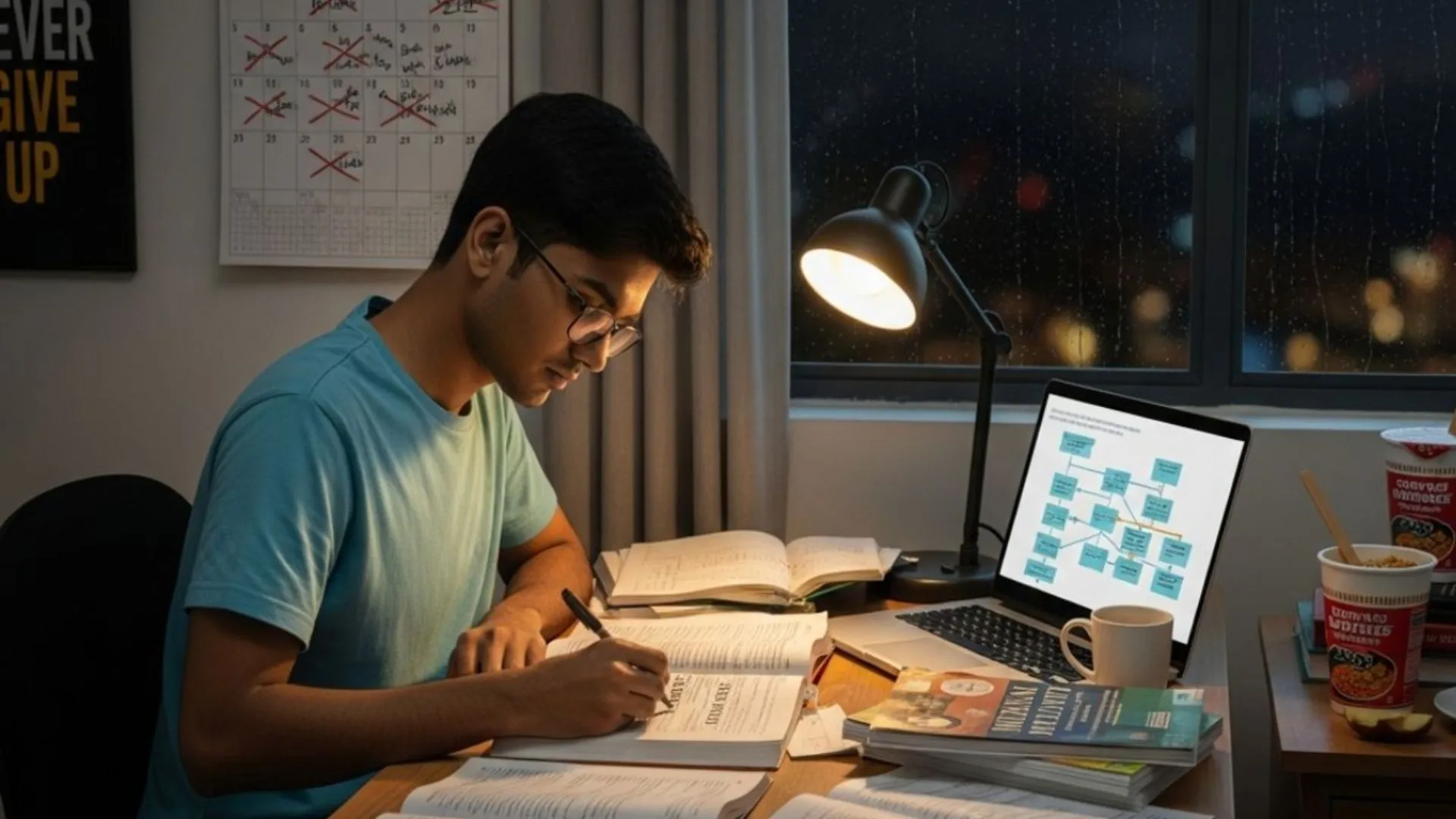
Ever find yourself wide awake at 2 a.m., mind spinning like a top? One small worry turns into a full-blown worry fest. Tomorrow's meeting goes wrong in your head. That chat with a friend replays with worse words. Overthinking at night hits hard because the quiet lets every doubt scream. It drains you, right? Leaves you groggy and snappy come morning.
I've been there too many times. Late nights after tough days, my brain wouldn't shut off. Pills seemed easy, but I wanted natural ways. Turns out, simple changes work wonders. No magic—just habits anyone can build. This guide walks you through them, step by step. From breathing hacks to daily tweaks, you'll learn how to control overthinking at night naturally. Stick with it, and nights transform. Let's get started.
Understand Why Overthinking at Night Happens

Picture your brain as a busy office. Daytime fills it with calls, emails, distractions. Everything hums along. But night falls, office empties. Suddenly, unfinished files demand attention. That's overthinking at night—your mind catches up on unsorted thoughts.
Stress hormones like cortisol spike during worry. They should dip by evening for sleep, but anxiety keeps them high. Blue light from phones tricks your body clock, delaying melatonin. Irregular sleep? It worsens the loop. I remember nights after deadlines; my head buzzed with "what ifs" till dawn.
Diet sneaks in too. Sugary snacks crash your blood sugar, sparking more thoughts. Lack of movement lets tension build. Emotions from the day—frustration, fear—ferment without release. Awareness breaks this. For a week, note triggers before bed. Is it money worries? Family stuff? Work pressure? Seeing patterns demystifies it. Once you spot them, you act. Maybe chat a worry daytime instead of nighttime rumination. This understanding alone cuts intensity. It's the foundation for everything else.
Key Takeaway: Knowing your overthinking triggers gives you power to stop them before they start.
Read Also: Personal Development Activities for Students
Create a Wind-Down Routine to Ease Into Sleep
Routines are like gentle lullabies for adults. They tell your brain, "Hey, rest time." Begin 60-90 minutes early. Flick off harsh lights—use lamps or candles. Harsh fluorescents mimic noon, revving you up. Pick calming swaps. Ditch Netflix for a paperback novel, nothing thriller-like. Soft tunes, acoustic guitar maybe, fill the air. Herbal tea warms you inside out. Chamomile eases nerves with apigenin, a natural relaxer. I sip mine while stretching lightly.
Journal gratitude: Three specifics, like "That laugh with my kid" or "Coffee hit perfect." It rewires from problems to positives. Bedroom setup matters big. Cool air, around 65°F, blackouts curtains, earplugs or fan hum. Bed for sleep only—no laptops creeping in. Stick daily. My first week felt forced, but by week two, eyelids drooped on cue. Forgot once? Mind raced again. Routine rebuilds trust in sleep. Tweak for you—add a face mask if lights bug you.
Key Takeaway: A simple wind-down routine reprograms your brain for restful nights.
Master Breathing Techniques for Instant Calm
Breath is your built-in off switch. Shallow pants fuel overthinking at night; deep ones starve it. 4-7-8 breathing changed my game. Nose inhale four counts, hold seven, mouth whoosh eight. Lips pursed like blowing a candle. Four cycles, eyes closed. Why it works: Engages vagus nerve, slamming brakes on stress. I wake panicked sometimes—bam, back to calm in two minutes. Practice sitting first, so night's automatic.
Box breathing suits visuals. Square sides: In four, hold four, out four, hold four. Pair with scenes—a still lake, your favorite spot. Thoughts drift? Return to breath count. Diaphragm focus: Hand on belly, inflate it like a balloon. Chest stays still. Do mornings too, five minutes. Builds lung strength, cuts anxiety baseline. One night, job fear hit hard. Breathed through, listed facts vs. fears. Slept sound. It's portable—no gear, pure power.
Quick Breathing Reference Table
| Technique | Steps | Best For | Duration |
|---|---|---|---|
| 4-7-8 | In 4, hold 7, out 8 | Racing heart | 4 rounds |
| Box | In/hold/out/hold 4 each | Focus shift | 5 minutes |
| Diaphragm | Belly rise/fall | Tension release | 10 breaths |
Key Takeaway: Breathing tricks like 4-7-8 give you quick control over nighttime thoughts.
Use Journaling to Dump Thoughts Before Bed
Thoughts hoard like junk drawers. Journaling cleans them out. Dim light, comfy spot, pen flows. No structure—dump raw. "Boss email stung. Forgot groceries. What if bill's late?" Then sort: Actionable? List steps. Emotional? "Feel scared because..." Reality check: Evidence for/against? Worst/best/realistic outcomes? My entry last Tuesday: Feared presentation flop. Wrote: Worst=awkward silence (survivable). Realistic=bumps but okay. Felt lighter.
Prompts spark: "Wins today?" "Lessons learned?" End with tomorrow's top three, not fifty. Keeps control sense. I keep mine bedside, quick grab. Deeper dives weekly: Patterns? Recurring fears point daytime changes. Avoid typing—handwriting slows, processes better. Ten minutes max, or it energizes. Friend tried post-breakup. Pages of hurt, then release. Slept first peaceful night in weeks. It's therapy without cost.
Key Takeaway: Journaling clears mental clutter, freeing your nights for sleep.
Build Daytime Habits That Prevent Nighttime Spirals
Nights reflect days. Fix daytime, nights follow. Move your body—brisk walk post-lunch, 30 minutes. Sweat flushes cortisol. Yoga flows ground you; poses like child's ease mind. Food fuels or fights. No caffeine past noon—it half-life lingers. Steady meals: Veggies, proteins, healthy fats. Magnesium stars: Almonds handful afternoon, spinach salad. Calms wiring naturally.
Boundaries protect. "No" to overload. Schedule worry time—15 minutes 4 PM, notebook it out. Done? Shelve till next. Mindfulness mini-breaks: Desk stretch, eyes closed, five breaths. Hobby time: Garden weeds pulled, puzzle pieces clicked. Laughter bonus—funny clips, friend calls. Sleep hygiene: Same wake time daily, even weekends. Sun morning light sets clock. Log it simple: "Bed 10:30, up 6:45, felt rested." Adjusts reveal gold. I stacked these after burnout. Walks cleared head; no more 3 a.m. replays. Sustainable, not extreme.
Key Takeaway: Strong daytime habits stop overthinking from taking over at night.
You May Also Like: Virtual Cooking Class Insurance: Digital Culinary Education Value
Try Natural Remedies and Mindfulness Practices
Earth's toolbox overflows for overthinking at night. Lavender leads—oil dabbed wrists, pillow spritz. Inhaling drops blood pressure, invites drowsiness. Bath time: Epsom salts soak, magnesium absorbs skin-deep.
Mindfulness anchors. Body scan: Feet tingle? Note, move up. Thoughts barge? "Thinking," wave bye. Five minutes bedtime builds skill.
Here's potent natural remedies list:
-
Chamomile tea: Two bags, steep 10 minutes; GABA boost like mild sedative.
-
Warm milk + honey: Tryptophan to serotonin to melatonin chain.
-
Valerian root tea: Occasional use, muscle relaxer vibe.
-
Peppermint oil rub: Temples, clears head fog.
Visualization amps it. Safe place: Forest path, waves lapping. Details—bird chirps, sand cool. Five senses immerse. Combined, unstoppable. Stormy night last month: Tea, scan, beach scene. Out like light.
Key Takeaway: Natural remedies and mindfulness anchor you in calm during tough nights.
Simple Physical Tricks to Break the Thought Loop
Body trumps mind often. Can't sleep? Rise—no bed wrestling. Kitchen laps, ten slow arm circles. Resets nervous system.
Military sleep hack: Face slack, tongue rest, shoulders drop, exhale all. Limbs heavy, sinking. Mind blank 10 seconds. Hammock scene. Repeat. Pilots master in two minutes.
Acupressure: LI4 point, thumb-index web, firm circles two minutes each hand. Tension melts.
Distraction toolkit:
-
A-Z categories: Books (Alice, Brave New World...), cities.
-
Breath tally: 1-10, loop.
-
5-4-3-2-1 senses: Ground instant.
Layered my way: Up, press point, senses game. Thoughts scatter. Taught sister—her insomnia halved.
Key Takeaway: Physical tricks like movement and games hijack overthinking instantly.
Long-Term Mindset Shifts for Lasting Peace

- Quick wins fade; mindsets endure. Ditch all-or-nothing: "Good enough" frees. Uncertainty? Normal. "I'll handle what comes."
- Self-talk kinder: "Rough day, tomorrow fresh." Mirror mornings: "I let go easy." Cognitive flips: "Fail means grow." Evidence journal backs it.
- Positivity circle: Uplift reads, kind souls. Weekly review: Sleep wins? More of that.
- Deeper roots? Gentle pro chat pairs well. I shifted post-stress year—nights mine now.
- Key Takeaway: Mindset shifts turn temporary calm into lifelong nighttime ease.
FAQs
1. Why does overthinking at night feel worse than during the day?
Quiet amplifies unchecked emotions; cortisol lingers if stressed. Wind-down bridges it.
2. How to control overthinking at night naturally without journaling?
Breathing, daytime exercise, physical tricks—no pen needed.
3. Can natural remedies like lavender really stop overthinking at night?
Yes, calms nerves; pair with breath for power.
4. What if I wake up overthinking in the middle of the night?
Rise briefly, breathe or senses game, no clocks.