Every parent wants their child to succeed, and that doesn't change if your kid needs a bit more help at school. You want real results, not empty promises. You want to know: What does it actually take to help a special learner build the skills for a happier, more independent life? The answer: it starts with the right essential skillsand the right support behind them.
What Are Essential Skills for Special Learners?
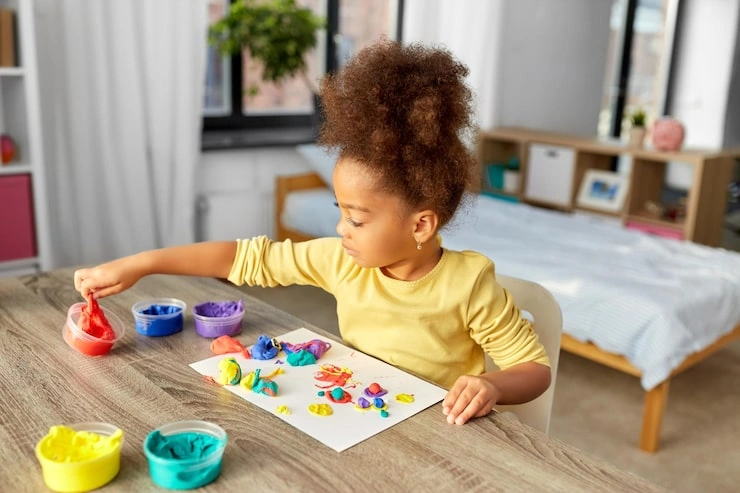
They're the building blocks that make daily life smoother and more manageable. Think talking about feelings, learning to follow directions, or making a simple snack on your own. For special learners, nailing these basics takes more time and patience, but that's okay. These skills aren't just boxes to checkthey're gateways to confidence.
- Communication: Sharing needs, wants, feelingseven with pictures or devices.
- Daily living: Dressing, eating, hygiene, and taking care of your space.
- Social: Making friends, sharing, taking turns, handling tough moments.
- Academics: Counting change, reading street signs, following a class routine.
- Self-advocacy: Asking for help, speaking up, knowing your rights.
If these sound obvious to some people, rememberfor a special learner, each one is a win worth celebrating.
Why Skill Building Matters More Than You Think
When kids practice essential skills for special learners, they're not just learning tasks. They're crunching big problems into bite-size chunks. That changes lives. A student who can ask for a break is less likely to melt down. Someone who learns to use a bus schedule gets one step closer to independence. Skill wins add upfast.
Missing these basics? It can make the whole day harder for the learner, families, and teachers. Skill gaps aren't failures. They're a signal that it's time to try new approaches until one sticks. Give them that winno matter how long it takes.
How to Start Skills Development for Special Education
You don't need fancy tools to get started. What you do need is patience, consistency, and genuine encouragement. Here are some things that truly help:
- Break down tasks step-by-stepsmaller is better.
- Use clear, simple language. Say one or two steps, not whole instructions at once.
- Visuals are magictry schedules, picture cards, or demonstration.
- Practice in real settings, not just classrooms. Grocery stores, bathrooms, bus stops all count.
- Celebrate every small win, even if it feels tiny to you.
For example, maybe you're teaching hand-washing. First, turn on the faucet. Next, get your hands wet. Add soap. Scrub, rinse, then dry. One day, it might click all on its own. The first time they don't need the reminder? Count that as a victory.
Empowering Special Needs Students: Why It's Not Just About Academics
School isn't just about math tests or spelling bees. It's about shaping people who feel good about themselves, have choices, and trust adults to guide them. If a learner feels ignored or misunderstood, their confidence dropsand so does their progress.
- Let students help set their own goalsask what they want to learn.
- Give real choices, even if they're small.
- Teach how to handle frustration; no one can avoid tough spots forever.
- Model problem-solving out loud. Say, 'Hmm, that didn't workwhat else could I try?'
- Keep feedback honest but kind; false praise doesn't help anyone.
The point? Every special learner deserves respect for their effort. Real empowerment means letting them try, fail, and try againwith support, not pressure.
Life Skills for Special Learners: What Are the Most Important Ones?
There's no one-size-fits-all list, but here are a few biggies that open doors for most kids and teens:
- Basic cooking: Making a sandwich, pouring cereal, or using the microwave.
- Money smarts: Paying for something in cash, recognizing bills and coins, waiting for change.
- Time sense: Reading a clock, understanding schedules, knowing when things start or end.
- Simple safety: Crossing streets, knowing who to ask for help, understanding 'stranger danger.'
- Self-care: Showering, brushing teeth, choosing clean clothes.
Pick one or two at a timetrying to do everything at once is a fast track to burnout (for everyone).
Common Mistakes: What Trips Up Kids, Parents, and Teachers?
- Expecting too much, too fastskills take lots of practice.
- Assuming 'can't do' is 'won't do'sometimes it's anxiety, confusion, or fear.
- Skipping steps because they seem easy or boring.
- Not involving the learner in decisions and goal setting.
- Letting frustration showeveryone has bad days, but the adult sets the tone.
Be ready to try, pause, and pivot a dozen times. Some days will feel like one step forward, two steps back. That's normal. Don't compare your path to anyone else'sprogress is personal.
Special Education Strategies That Actually Work
People talk about 'special education strategies' like they're magic tricks. The truth? It's about consistency and flexibilityknowing when to stick with what's working, and when to shift gears. Here are a few that stick:
- Immediate feedback: Praise or correction right after the action.
- Multi-sensory learning: Let them see, touch, and move, not just listen.
- Routine, routine, routine. Predictable days build confidence.
- Role play and practiceplay out real-life scenarios ahead of time.
- Adapted toolsvisual schedules, timers, or fidgets can save the day.
Sometimes what works for one student is a total flop for another. Stay curious, experiment, and keep what's helpful. The 'right way' is what helps your learner grow, even if it's not what every book says.
How Families and Teachers Can Team Up
No one does this alone. The biggest gains happen when adults stay in sync. Here's what helps:
- Share wins and strugglesdon't wait for a crisis.
- Keep routines similar at home and school whenever possible.
- Agree on one or two main skill goals to work on together.
- Make sure everyoneparents, teachers, aidesknows the plan.
- Respect each other's expertise: families know their child best, teachers bring experience from the classroom.
Remember, it's not about who's right. It's about what's best for the learner.
What Does Progress Actually Look Like?
Progress isn't always test scores or report cards. It might show up as:
- Needing less help to start a task
- Fewer meltdowns in stressful situations
- Remembering to ask for help instead of shutting down
- Getting through a whole routine with just one reminder
- Smiling more because things feel doable
Celebrate these wins. They mean as muchsometimes morethan typical grades or benchmarks.
What If It Feels Like Nothing's Working?
Some weeks, nothing goes right. That doesn't mean you're stuck or failing. Everyone plateaus. The trick? Try a fresh approach, talk with other families, or give yourself (and your learner) some grace. Change can take timesometimes tiny, unexpected wins show up when you least expect them. Don't give up on them, and don't give up on yourself.
FAQs About Skills Development for Special Education
- What are the easiest essential skills for special learners to start with?
Start with what your child wants to doa favorite meal, a daily routine, or a way to ask for help. The easiest skills are often daily living basics like putting on shoes, washing hands, or saying 'hello.' Start small, go step by step, and celebrate any progress. - How can teachers adapt classroom lessons for special needs students?
Teachers can use shorter instructions, more visuals, hands-on activities, and lots of repetition. Breaking lessons into little chunks helps a lot.It's also important to check in often to see what works. Every student learns differently, so its okay to change things up. - What do I do if my child is stuck on a skill?
If your child is stuck, switch up the way you teachmaybe use a video, a song, or a new tool. Try teaching at a different time of day or in a new place. Most important, stay patient. Some skills take weeks or months to stick. It doesnt mean they wont get it. - Can essential skills be learned at home, or do they need a teacher?
Many essential skills grow at home, like cooking, cleaning, and social skills. Anyone can helpa parent, sibling, or caregiver. Teachers support these skills at school, but families can practice them every day, which makes a big difference. - How long does it take to master life skills for special learners?
Theres no set timelineevery learner is different. Some pick up new skills in weeks, and others need months (or longer). Its normal for progress to come in spurts. Celebrate each step, no matter how slow it feels. - What are special education strategies for behavior issues?
The best strategies are clear routines, visuals to show choices, and teaching calm-down steps. Give quick rewards for positive behavior and be consistent. If something isnt working, ask teachers or therapists for new ideas. Sometimes, small tweaks have big results.
Keep goingevery effort counts. Your support, patience, and belief mean more than you realize for every special learner's future.