Shopping for a new family SUV? It's both exciting and a bit overwhelming. You've got kids, gear, maybe a dog, and definitely opinions. Your life doesn't slow down just because you need a new ride. The goal: find the best family SUV that makes daily life smoother, not more stressful. Whether you care most about safety, space, priceor honestly all threeyou're in the right place. Let's break down how to pick a family SUV that won't let you down.
What Really Makes an SUV the 'Best' for Families?
Lots of cars claim to be family-friendly. But what does that actually mean? The best family SUV handles carpool, groceries, road trips, and those random emergencies like spilled juice or a last-minute soccer game. It's not just about having three rows or a shiny screenit's how those features actually work for your real life.
- Space: Room for kids, friends, and everyone's stuff.
- Safety: Features that help you keep your family safe, not just high scores in a test.
- Affordability: Payments that don't eat your grocery budget.
- Easy to drive: Parking and maneuvering shouldn't be terrifying.
- Reliability: You want to trust it on a long trip or late-night drive.
Think about how you actually use your car every day. That's where your answer is hiding.
Which Family SUVs Are the Most Spacious?
Space is the number one reason many parents ditch their old sedan. Whether you want three rows or just a roomy back seat, here are some of today's most spacious family SUVs that get the job done:
- Toyota Highlander Three rows, decent cargo with the back seats up or down
- Honda Pilot Massive back seat, flexible cargo space
- Chevrolet Traverse Practically a moving truck in disguise
- Volkswagen Atlas Grown-up sized third row, flat load floor
- Kia Telluride All the space and comfort without feeling huge
Trick: Bring your family to the dealer. Make sure car seats fit and your teenager's legs have roomeven if they whine about it.
What's the Real Deal on Family SUV Safety?
Crash test ratings matter. But they're not the whole story. The safest family SUVs go beyond a good score. Look for:
- Standard automatic emergency braking
- Blind-spot monitors
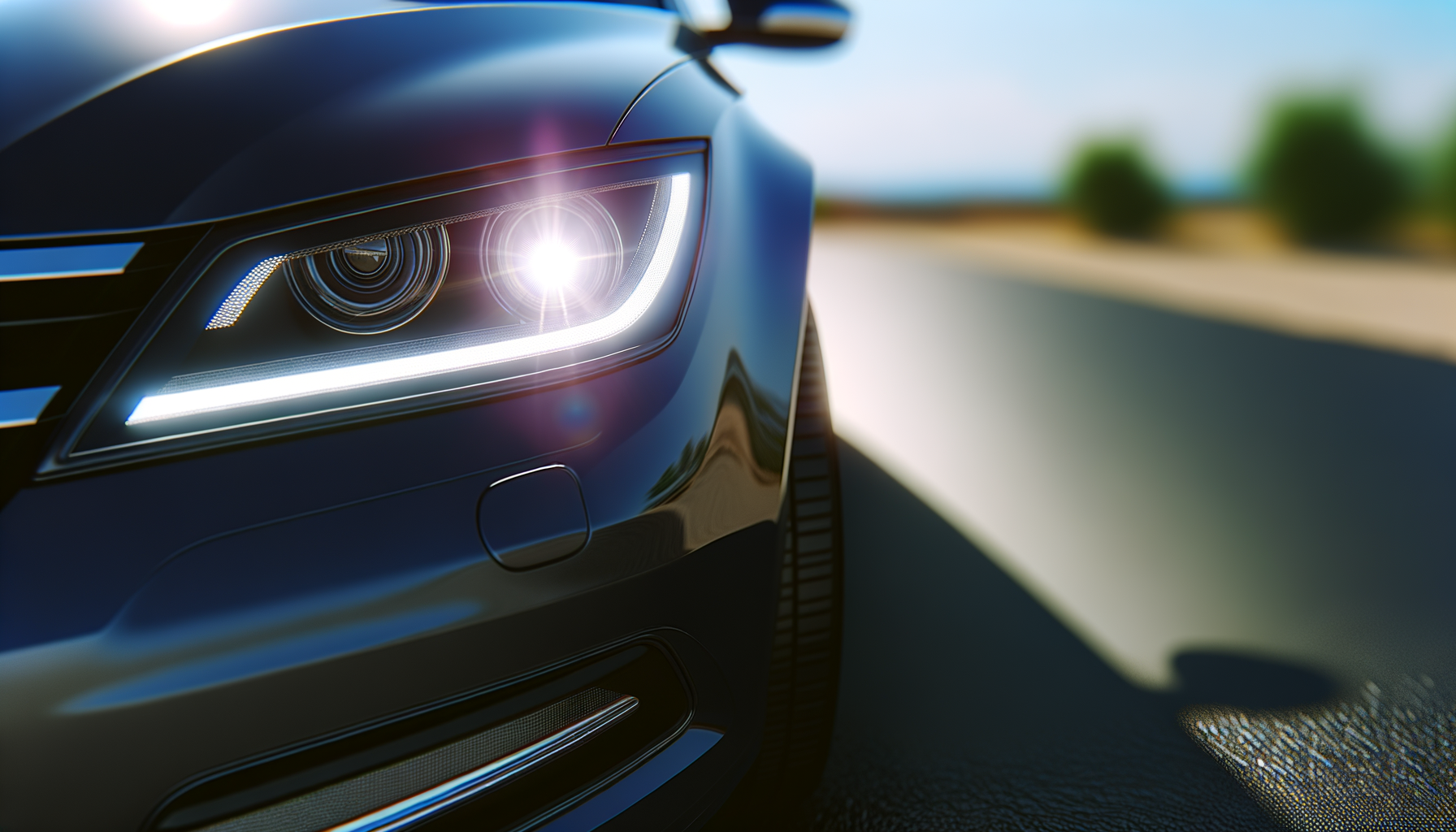
- Strong headlights (for late-night pizza runs, obviously)
- Easy-to-access LATCH anchors for car seats
You don't need every bell and whistle. Pick safety features that actually help you stay focused and confidentlike lane keeping or rear cross-traffic alerts if you back out of a tight driveway every morning.
How Do Family SUVs Stack Up on Price?
No one wants to blow their budget on a car. The good news: there are affordable family SUVs that offer serious value. Some even feel fancy without the fancy price.
- Hyundai Santa Fe Packed with features for less money
- Mazda CX-9 Stylish, surprisingly affordable, and nice to drive
- Toyota RAV4 Good resale value and reliability, even basic trims feel solid
- Subaru Forester All-wheel drive and safety for peace of mind at a lower price
- Kia Sorento Flexible seating, smart tech, not crazy expensive
Mistake alert: Watch out for dealer add-ons or "packages" that raise the price. Stick with the features you actually use.
What's Annoying About Family SUVs (and How to Avoid It)
Every SUV has trade-offs. Some have third rows nobody over age eight wants to sit in. Others have fancy tech that's more confusing than helpful. Real talk:
- Big doesn't always mean better. Huge SUVs are tricky in tight parking lots.
- Some infotainment systems make you miss buttons. Test before you buy.
- All-wheel drive isn't always standard, but you may not need it unless you deal with snow or dirt roads.
- Cargo space disappears fast when all seats are up. Pack a suitcase and test it out.
You're going to compromise somewhere. The trick is to know what matters most for your crew and everyday driving.
How to Compare the Top Family SUVs Without Losing Your Mind
This part can get overwhelming. There are dozens of top family SUVs on every "best of" list. Keep it simple with a game plan:
- Set your real budget (all-in, not just the sticker price)
- Pick your "must-haves" (like AWD, leather seats, or third row)
- Create a short list (3-4 SUVs)
- Test drive all of them with your family and your stuff
- Check insurance and maintenance costs (they sneak up on you)
Most people realize what they want isn't what they thought after seeing and sitting in a few options. That's normal!
FAQs About Finding the Best Family SUV
- What SUV is best for a family of five?
You're probably looking for something with a roomy second row and an optional third row. SUVs like the Honda Pilot, Toyota Highlander, and Kia Telluride are great picks. They offer plenty of space and are easy to get in and out of for kids and adults. Double-check that car seats and booster seats fit, especially if you have more than one to install. - Which SUVs are the safest for families?
The safest family SUVs include the Subaru Ascent, Toyota Highlander, and Mazda CX-9. These get top marks from safety testers and come with helpful driver-assist features standard. Always look at crash test results from trusted organizations and check for features like automatic emergency braking and strong headlights. - Are affordable family SUVs worth it, or should I spend more?
Affordable family SUVs can definitely do the job, especially if you pick a well-reviewed model. You don't need to overspend to get great safety, reliability, and plenty of space. Big price tags often mean more tech or luxury trimnot always something you'll use every day. Focus on what you need for your family and your budget will go further. - Which family SUVs have the most cargo space?
SUVs like the Chevrolet Traverse, Volkswagen Atlas, and Honda Pilot are known for their huge cargo areas. Even with three rows up, they can handle strollers, groceries, or sports gear. Always check how the space changes when seats are folded or uprightit makes a big difference on road trips. - What are common mistakes when buying a family SUV?
A big mistake is forgetting to test all the features you care aboutlike fitting your stroller in the trunk or making sure the rear doors open wide enough. Some buyers skip the test drive with their family, then realize later that car seats are a hassle or tech is too complex. Bring your whole crew if you can and try everything out before signing papers. - How often should family SUVs be replaced?
On average, families keep their SUVs about 6-10 years. Key signs it's time to upgrade: repair costs pile up, you need more space, or safety tech feels outdated. Reliable models can last longer, especially with regular maintenance, so you can wait until it truly feels necessary to find a new one.
Here's the bottom line: the best family SUV is the one that fits your real life, your budget, and your crew. Don't stress about the "perfect" choice. Make your wishlist, test the top contenders, and you'll find a ride that makes the everyday haul a whole lot easier.