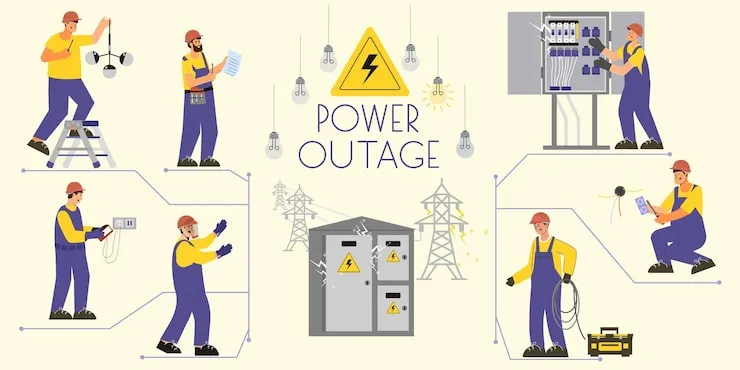
Many homes today have lots of wires, lights, and devices. With so many things running on power, it’s easy to forget how risky it can be when something is not used the right way. Power helps us live our daily lives, but it can also harm us if we do not treat it with care. Kids and adults both need to know how to stay safe around plugs, cords, and home devices. This guide shares clear and friendly tips you can follow without feeling confused. The aim is to help you stay safe, protect your home, and keep your family away from danger. The words are simple so anyone can understand them, and the tips are based on trusted safety rules used by experts and home electricians.
1. Why Electrical Safety Matters at Home
Many people think power problems only happen in old homes, but trouble can happen in any place if wires and devices are not used with care. A small mistake like pulling a cord too hard or placing a device near water can lead to burns, shocks, and even fire. When we pay attention to small signs such as a burning smell, a warm plug, or flickering lights, we can stop bigger issues before they grow. Simple habits go a long way. When you teach children the right way to use plugs and keep cords tidy, you help make your home a safer place. Learning these habits early keeps everyone safe and reduces stress when using power.
2. Safe Ways to Use Cords and Plugs
Many home accidents start from broken cords or loose plugs. A cord with cuts, bite marks from pets, or bent ends should never be used because it can heat up and spark. When you pull a plug, hold it by the plastic head instead of yanking the cord itself. This small act keeps the inside wires from breaking. Try not to push too many things into one outlet. Too much load makes the outlet warm and this can lead to trouble. Keep cords away from carpets and places where people walk, so they do not get pressed or damaged. A tidy cord is a safe cord. It also helps kids avoid tripping. These simple habits keep your home safe every single day.
Key Points:
-
Keep cords dry and away from heat.
-
Replace any cord that looks old, cut, or loose.
3. Be Careful Around Water and Wet Areas
Water and power never mix well. Even a small splash can cause a shock if it touches a device that is plugged in. Bathrooms, kitchens, and outdoor areas need extra care. When your hands are wet, avoid touching switches or plugging anything in. Dry your hands first so you stay safe. Keep devices like hair dryers, trimmers, and phone chargers away from sinks and tubs. If you drop any device into water while it’s plugged in, do not pick it up. Turn off the main switch of your home first and then remove the plug once the area is safe. Teach kids early that no device should be used near water unless it is made for outdoor or wet use. These small rules protect your body and your home.
4. Use Home Devices the Right Way
Every device in your home, from the toaster to the computer, comes with simple rules. When you follow these rules, your device lasts longer and stays safe to use. Some tools need more air space so they do not heat up. Keep items like heaters and irons away from soft things like beds, sofas, or curtains. Devices that make heat should stand on firm, open spaces so air moves around them. If a device starts to smell odd, spark, or make strange sounds, unplug it right away. Do not keep trying to use it because that can lead to danger. Getting it checked or replaced is always safer. This helps your home stay safe and peaceful.
5. Keep Kids Safe Around Power
Kids are curious, and they touch things without knowing the risk. Simple actions help protect them. Cover open outlets with child-safe covers so tiny fingers cannot enter them. Teach children to stay away from cords, switches, and large devices. Make sure no cord hangs from tables or countertops where a child can pull it. Keep items like chargers and lamps in places that are hard for small kids to reach. When kids learn early that power can hurt them if not handled right, they grow up safer and more aware. Family safety grows when kids know what to avoid and parents keep risky items out of reach.
6. Outdoor Electrical Safety Tips
Outdoor areas like gardens, garages, and balconies also need care. Many people forget that rain, dust, and wind can damage outside plugs and cords. Items made for indoor use should not be kept outside. Always use outdoor-rated cords and tools in open areas. Keep cords away from wet grass and muddy spots. If you see a hanging wire or a loose outside plug, call a trained electrician instead of fixing it on your own. During storms, avoid standing near electric poles or touching metal fences that might carry power if a line falls. Simple outdoor habits protect you just as much as indoor habits do.
7. When to Call a Professional
Some problems should never be handled without help from someone trained. If lights flicker often, if your breakers trip many times a week, or if your outlets feel warm, calling a pro is the safest choice. They can find hidden issues that you cannot see. Trying to fix wires without the right tools or skills can lead to burns, shocks, or damage to your home. When you trust a trained worker to check your wiring, you keep your family safe. Good care now saves money and problems later. A safe home is always better than taking risks that can hurt someone.
FAQs
1. Why do outlets get warm sometimes?
They might be holding too much load or the wires inside may be worn out. It is safer to unplug things and ask a trained worker to check it.
2. Can kids use phone chargers on their own?
Kids should only use chargers with an adult nearby. Chargers can heat up or spark if used the wrong way.
3. Is it safe to use tape on a broken cord?
No. Tape does not fix the inside wires. A broken cord should be replaced right away.