Why Do Energy Bills Feel Out of Control?
You flip a switch, pay your bill, and it all feels like magicuntil the cost spikes. Most people feel like they're powerless to change how high those numbers climb. But energy bill automation puts some control back in your hands. The idea? Use tech to make tiny changes all day, every day, so your bill goes down (without you baby-sitting the thermostat).
This article gives you real tips, minus the hype, to make your home smarter and your wallet happier. You'll get simple steps, honest downsides, and a few stories you won't find on company blogs.
What Is Energy Bill Automation (And Is It Worth the Hassle)?
Think of it as putting your home's energy use on autopilot. Smart gadgets and apps adjust lights, heat, AC, and moreso you use less without trying. Instead of setting a reminder to turn off the AC, you set up a system that does it for you.
- Smart energy management means tracking and adjusting your usage in real time.
- Home energy automation lets sensors and schedules handle things. No more forgotten lights burning all night.
- You get better energy efficiency technology, not just fancy switches.
Is it for everyone? Not always. The gear isn't free. Setups can get fiddly. But if electric bills make you cringe, even a basic system can pay for itself fast.
How Does Automated Energy Savings Actually Work?
You're not a robot. You can't be everywhere, turning stuff off. Energy bill automation uses tech that does jobs you forgetor would rather skip.
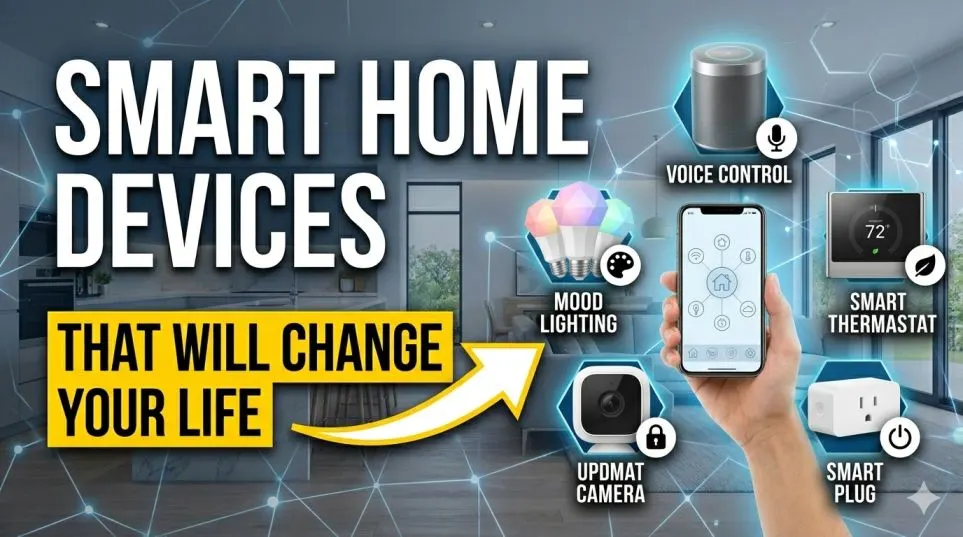
- Programmable thermostats adjust the temp so you're comfy but not wasteful.
- Smart plugs turn off appliances that quietly suck power when you aren't using them.
- Lighting systems dim or shut off when you leave a room.
- Solar panels + batteries let you use your own energy instead of buying it at peak rates.
You don't have to go all-in from day one. Try one gadget. See what happens on the next bill. Most people start with a smart thermostatit's the low-hanging fruit.
What Do You Need to Get Started?
This isn't about gutting your house. You need some basics:
- A smartphone and WiFi (almost everyone has these)
- At least one smart device: thermostat, plug, or light
- Patience for setup (it can be annoyingdon't let anyone tell you otherwise)
Once you've got the basics, you can layer on more, like:
- Energy use monitorssee where the juice is going
- Voice assistants (make it easy to control stuff by asking out loud)
- Sensors that turn devices off if no ones home
You don't need to splurge all at once. Stick to what solves your biggest energy headache first.
How Do Real People Use Smart Energy Management at Home?
My cousin Amy lives in a drafty old house. Her first winter there, the bill nearly floored her. So she tried a smart thermostat and smart bulbs. Suddenly, rooms weren't heating when no one was in them and lights weren't burning all night. The next bill was $45 lower. That's groceries for a week. Later, she added smart plugs for the TV setup, cutting phantom drain.
Stories like this aren't rare. Most folks start small and add more as they see the savings. It's a step-by-step thing, not a one-day fix.
What Can Go Wrong? (And How to Fix It)
Let's be honest: Smart home stuff can get annoying. Setups don't always play nice together. Apps get buggy. Devices lose wifi and stop working. Here's what usually goes sideways:
- Connecting old appliancessometimes it's just not possible
- Spending too much on fancy stuff you don't use
- Forgetting to update software (then your devices act weird)
- Picking a system that doesn't let you use other brands
The fix? Start simple. Stick with popular brands. If something's way too cheap, it might be more trouble than its worth. And don't toss out your old light switchessometimes simple is best.
Which Energy Efficiency Technology Makes the Biggest Difference?
Some gadgets cut more from your bill than others. Heres where most people see the fastest results:
- Smart thermostats: Lower the biggest piece of your electricity pie.
- LED bulbs: Use less power and last years longer.
- Power strips: Shut off a bunch of devices at onceno more crawling under the desk at night.
- Appliance monitors: Show you whats guzzling power (and what to unplug for good).
Start with one, then go further if you want extra savings. The key is to stop guessing what's using power and start knowing.
What Does the Future of Automated Energy Savings Look Like?
More companies are making stuff that talks to each other, not just in one app. Energy companies are starting to give discounts for using their automation tools. Expect better, cheaper gear every yearand more ways to cut your bill with zero thought. Still, you'll want to pay attention now and then. Technology is awesome, but human common sense is still priceless.
Take the First Step to Lower Bills
Pick one thingjust one. Maybe a smart bulb, a thermostat, or a plug for your TV. Try it, see the change, then decide what comes next. These little wins add up. Before you know it, home energy automation makes life easierand cheaper. You'll wonder why you waited.
FAQs
- How much does energy bill automation save each month?
Most people cut their bills by 10-20%. If your bill is $150, that's $15-30 back in your pocket. Exact savings depend on how much you automate and your home habits. - Do I need a smart home for energy automation to work?
No, you don't need a super high-tech home. Start smalla smart plug or thermostat is enough. You can add more as you go. - Whats the easiest device for beginners?
Smart thermostats are the go-to for most people. Theyre easy to set up, make a real difference, and often come with simple apps. - Can energy bill automation help if I rent?
Definitely. Use plug-in devices like smart plugs and bulbs. No drilling, no wiring, no landlord headaches. Take them with you when you move. - Will my devices keep working if the wifi goes down?
Some basic settings (like scheduled lights) still work, but remote control and app features might be offline. Most devices reconnect by themselves when wifi is back. - Can automation handle different energy rates during the day?
Yes, many smart systems can use schedules that match cheaper energy rates. Set your gear to run when energy's cheaper, and you'll see extra savings.