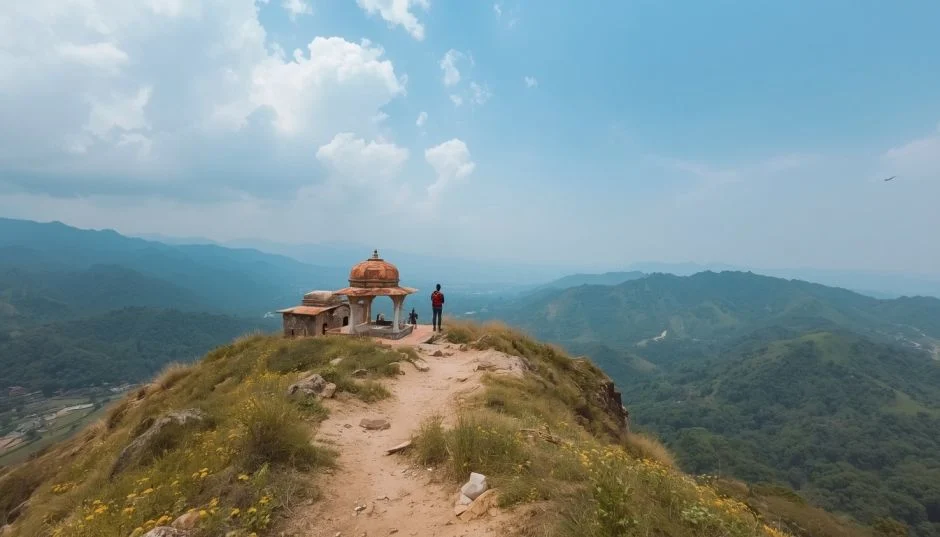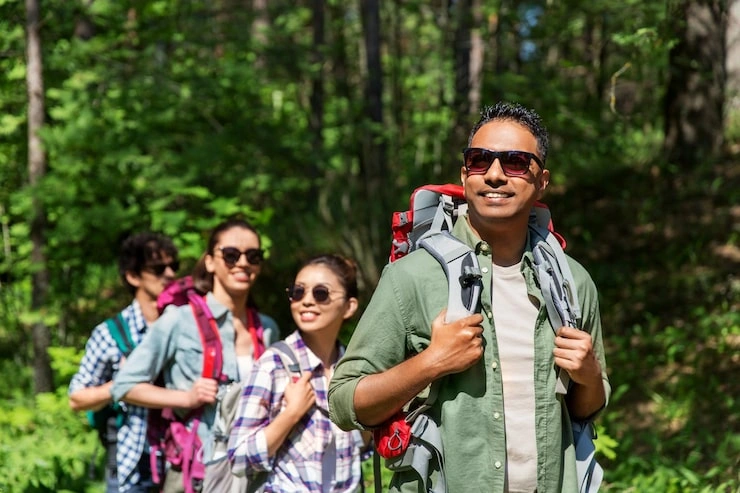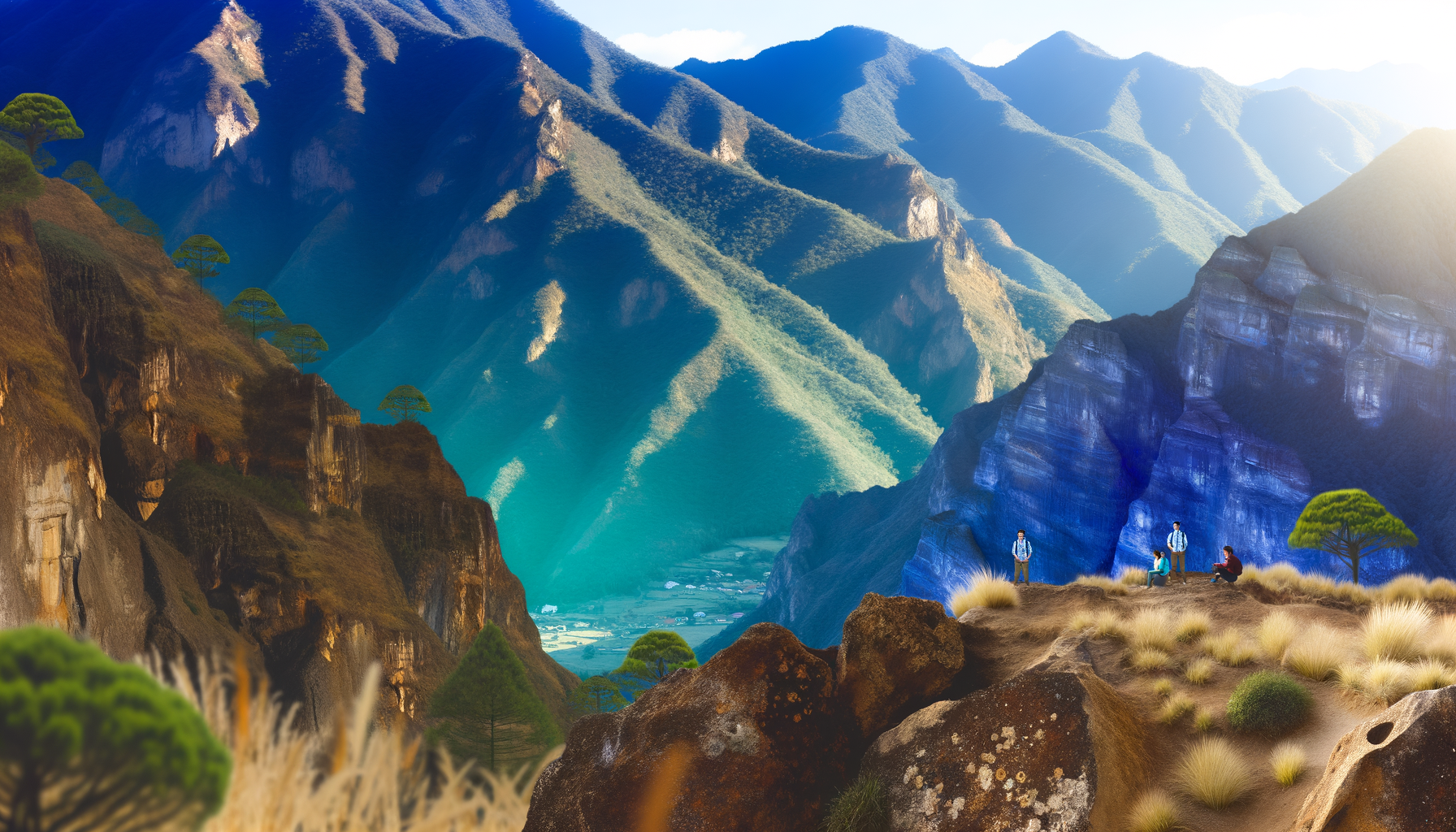
The first time you lace up your boots for Central America hiking tours, you might wonder if all the buzz is real. Spoiler: it is. Trails wind through rainforests where monkeys swing overhead. Volcanoes feel close enough to touch. And every night ends with tired feet, a ridiculous grin, and stories you can't wait to tell.
Hiking in Central America isn't just about putting one foot in front of the other. It's about finding waterfalls you didn't see on Instagram. It's about sharing fruit with a local guide and realizing you haven't checked your phone in hours. If your soul needs a jump-startor you just want an adventure that's bigger than the nine-to-fiveyou'll get what you came for.
Why are Central America hiking tours so popular now?
Travelers are tired of same-old beaches and crowded cities. Hiking in Central America is the reset button: there's jungle, cloud forest, volcanoes, and wildlife that doesn't care about your schedule. People come for the possibility of getting lost (then being found again at a roadside bakery or village festival). Most want something differenta real adventure, not just a checklist.
- Uncrowded trails where you can hear actual silence
- Mix of serious treks and chill day hikes
- Plenty of guided options if you worry about getting lost
- Diverse landscapesit's not all tropical heat (hello, highlands!)
Travelers say they've never seen sunsets like the ones after a sweaty hike in Guatemala or rain showers that feel like warm hugs in Costa Rica. That mix of hard work, real risk, and ultimate payoff is what hooks people.
Which trails are the best hikes in Central America?
Not all hikes are made equal. But a few stand out because they're just that good. Some people chase volcanoes. Others wander through cloud forests. Heres a hit list:
- Acatenango Volcano, Guatemala: The overnight push is tough, but watching lava flow from Fuego next door? Mind-blowing.
- Monteverde Cloud Forest, Costa Rica: Trails through misty junglea total Jurassic Park moment (without the dinosaurs).
- Cerro Chirripó, Costa Rica: Highest peak in the country. You might see both oceans at sunrise.
- El Imposible National Park, El Salvador: Jungle paths, river crossings, toucans, and waterfalls nobody talks about.
- Volcán Concepción, Nicaragua: Very steep, totally worth the sunrise views over Ometepe Island.
What makes these hikes special isn't just the scenery. It's how you feel: a little scared, a lot amazed, and way more capable than you thought at the trailhead.
What should you know before booking adventure tours in Central America?
These aren't theme park trails. Even guided hikes in Central America can be unpredictable. Weather flips, paths get muddy, and sometimes birds steal your snacks. But that's half the fun.
- Start training before you travelmost routes involve some uphill
- Ask about group sizes on guided tours (smaller is better for real connection)
- Check what gear is includedboots and poles may be optional or essential depending on the trek
- Many areas have simple lodgingthink rustic cabins, not fancy hotels
- Bugs are part of the deal; bring repellent and deal with it (you get used to it after a day or two)
The upside? Local guides know every hidden pool and trick for keeping dry. They also usually have snacks. The downside? If you want constant WiFi or hate getting muddy, some tours may push your comfort zone.
How do guided hikes in Central America make the experience better?
Some travelers like to wing it. But even diehards admit that guided hikes Central America style are a different level. Guides do more than point out rare birdsthey share stories you can't Google. They help you say 'hello' to the folks you meet and translate a joke you would've missed. Plus, when you're lost, they turn a worry into a side adventure.
- Guides know which trails are safe (and which to avoid after a big rain)
- You'll eat local food you might not try on your own
- More chances to meet both travelers and locals
- Built-in history lessons on the region without staring at your screen
For a lot of people, it's these real connectionsover coffee, campfires, or on a tough climbthat they remember most after the trip.
What are the biggest mistakes hikers make on Central America trekking adventures?
Nobody likes learning lessons the hard way. But hikers repeat the same slipups:
- Underestimating how tough the hike will bejust because it's not Everest doesn't mean it's easy
- Packing way too much (leave the third pair of pants at home)
- Forgetting enough water or good rain gear
- Trying to look cool in brand-new boots (stick with broken-in shoes)
- Ignoring local advice about weather or wildlife
Here's the truth: the best adventure tours Central America offers are the ones where you come prepared to adjust. Pack light. Be ready to get wet. Sometimes, the detours bring better stories than the main trail.
What do real travelers say about hiking in Central America?
Ask around, and you'll hear about volcanic sand stuck in boots for weeks. About sunrise views that felt earned. About coming back home with less phone anxiety and a new taste for local coffee. The strugglessketchy bridges, tired legs, unplanned rainfade fast. The stories stick.
- One couple ended up in an impromptu soccer match with kids in a mountain village
- A solo traveler made lifelong friends on an overnight volcano trek
- Another hiker watched howler monkeys from a hammock after a long day
The best feedback is simple: Central America trekking turns regular people into adventurers who want just one more hill to climb before heading home.
FAQ: What else should you know about Central America hiking tours?
- Is hiking in Central America safe for beginners?
Yes, many trails are beginner-friendly, but pick your hike wisely. Guided hikes help a ton because local leaders know what to expect. Let them know your skill level, and dont be shy about asking questions along the way. - What gear do I need for adventure tours in Central America?
Start with good shoes, a rain jacket, bug spray, and a reusable water bottle. Most tours provide specialty gear if needed, but check before you pack. Leave fancy gadgets at home unless you want to carry extra weight. - When's the best time to go trekking in Central America?
Dry season (usually December to April) is best for most hikes. Some cloud forests and volcanoes can be done year-round but be ready for rain and quick-changing weather. - Are guided hikes in Central America worth paying extra for?
Most people say yes because guides enhance the experience. They know shortcuts, warn about tricky spots, and often share cool stories that make the hike unforgettable. If you like meeting locals and learning as you go, go guided. - What's the hardest part about hiking in Central America?
The heat and humidity can surprise you, even for seasoned hikers. Also, sudden rain showers. Take breaks, drink more water than you think you need, and don't rush the adventure. - Can I do multi-day hikes, or is it all day trips?
Both. There are plenty of multi-day treks where you'll camp or stay in remote lodges. But if youre short on time, day hikes to volcano tops or waterfalls offer plenty of challenge and fun.
In the end, Central America hiking tours aren't about being perfect on the trail. They're about saying yes to adventure, rolling with surprises, and coming home with sweat, stories, and a new love for the wild.