You're probably already using AI innovations every day, even if you haven't noticed. Maybe your phone suggests the next word as you type. Maybe your favorite streaming app somehow always knows exactly what you want to watch. But the new wave of artificial intelligence trends? They're going way beyond emoji suggestions and playlists. If you've felt a little overwhelmed, you're not alone. This guide will make sense of what's new in AI, why it matters, and what it could mean for you.
What are the most talked-about AI innovations right now?
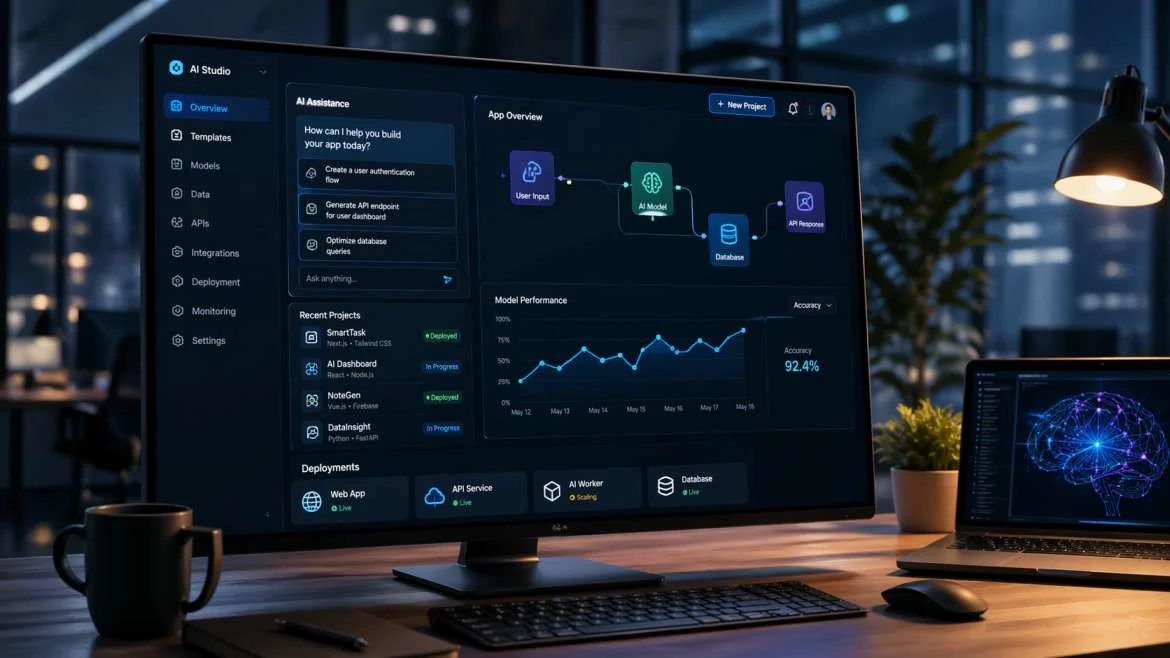
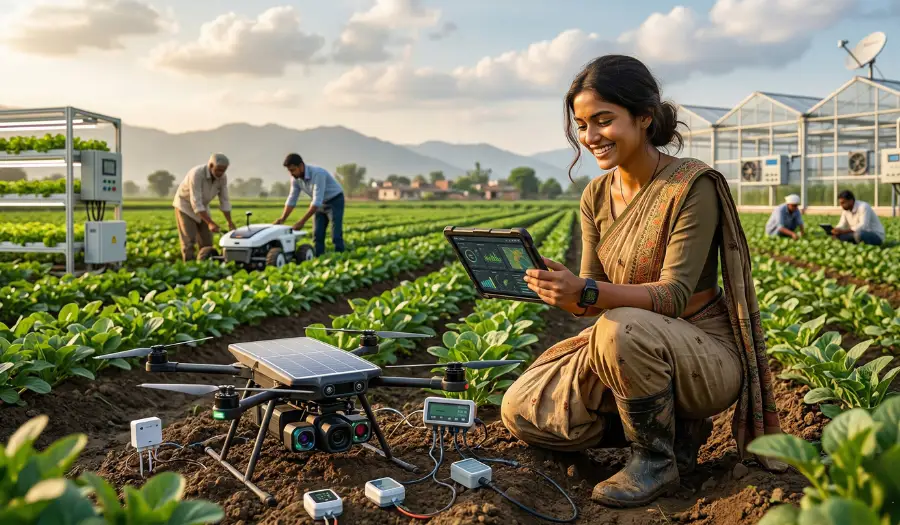
People keep hearing about things like ChatGPT, robot lawyers, and smart cars, but what actually counts as an emerging AI technology? In plain English, AI innovations are new ways computers can "think" more like peoplelearning, making decisions, recognizing patterns, and even creating stuff from scratch.
- AI writing and image generators (like those viral art apps)
- Self-driving features in carsmore common than you think
- Voice assistants that can answer real questions (and hold a conversation)
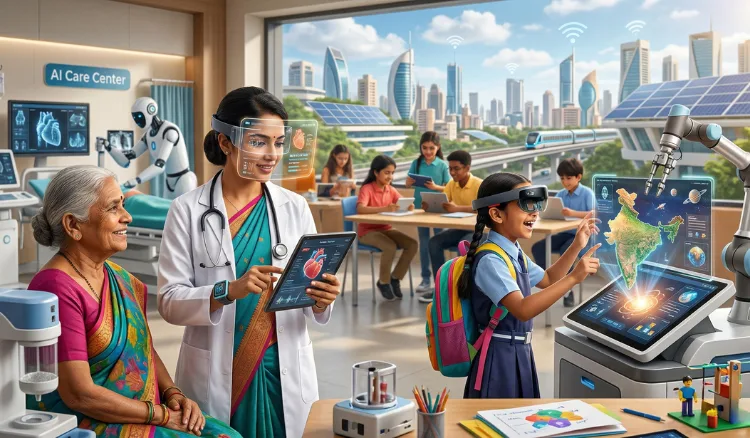
- Medical tools that help doctors spot diseases faster
- AI in video games that learns how you play and adapts
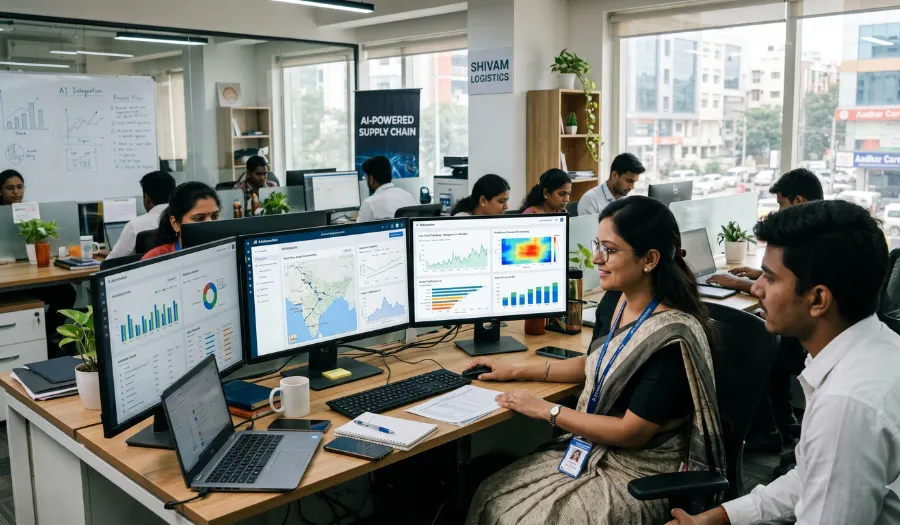
Why does it matter? Because these tech tools aren't just coolthey're shaking up how we work, play, and even what jobs look like.
How are AI innovations changing daily life?
The impact of AI reaches into shopping, jobs, security, and beyond. Heres how:
- Smart home devices that let you control lights and locks by voice
- Online stores predicting what you'll buy next and offering deals
- Apps that help you learn new skills or languages, tailored to your pace
- Healthcare AI flagging test results that need a doctors eye faster
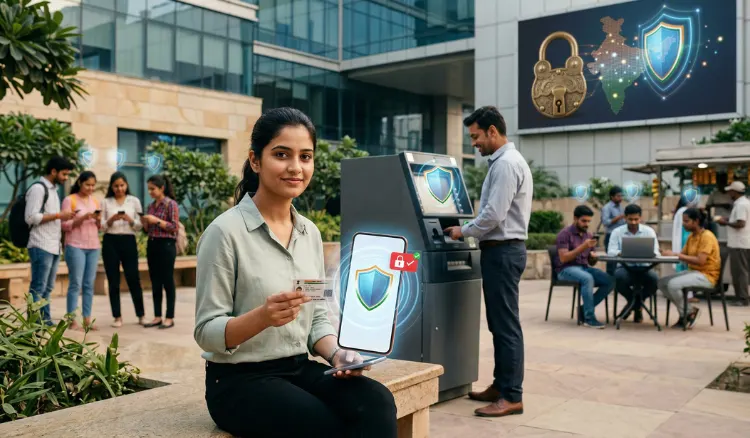
- Banking apps spotting fraud before you notice
The benefit? Things get easier and faster. No one misses waiting in line at the bank or getting spammed by irrelevant ads. But sometimes, AI gets it wrong and recommends the weirdest stuff or misreads a message. It's smart, but not magic.
Are there risks with new artificial intelligence trends?
Heres where it gets tricky. Every cool tech comes with problems. With AI advancements, you get:
- Algorithm biasAI sometimes makes unfair decisions because of bad data
- Job worriescertain tasks vanish as machines handle repetitive work
- Privacyyour data is priceless, but AI needs it to work well
- ErrorsAI isn't perfect and can mess up big time
Example: An AI hiring tool that "learns" who to hire from old data might accidentally ignore great candidates because it copies past biases. Thats why even smart machines need human oversight. If you're using AI at work, always double-check the important stuff.
How can regular people use emerging AI technology?
You dont have to be an engineer to use AI in daily life or work. There are simple ways to try it out:
- Use AI chatbots for customer service or fun Q&A
- Try language translation tools for travel or school
- Test AI tools that organize your emails or calendar
- Create unique art or stories with AI apps
- Automate household choresthink smart vacuums or thermostats
The catch? Sometimes AI feels weird or makes mistakes. Dont expect it to be perfect. It's more like a helpful assistant, not a mind reader.
What should you watch out for with AI advancements?
Before you jump in, keep these real-life tips in mind:
- Dont share private info with every AI app you meet
- Check if you can fix AI mistakes or override decisions
- Stay updatedAI changes fast and yesterday's news is old
- Mix tech with people-power; the best results come from both working together
The first time I tried a voice assistant in my house, it set six alarms at once when I asked for one. Yeah, AIs helpfuluntil its not. Thats normal. The key is experimenting, staying curious, and not trusting it blindly.
Where is AI headed next?
This part is exciting and a little scary. Some experts say artificial intelligence trends will change everything from school to politics. Well probably see:
- Even smarter search enginesfinding answers, not just links
- Personalized healthcare plans, thanks to AI spotting things doctors might miss
- Bigger debates about privacy and control
- More creative AImusic, movies, fashion
Its not science fictionits happening now. The smartest move? Learn just enough about AI advancements so you dont feel lost, but not so much you get overwhelmed. Its a tool, not the boss.
FAQs about AI innovations and trends
- What exactly are AI innovations?
They're new ways that computers can "think" like humanslearning, solving problems, and making decisions. This includes smarter apps, helpful robots, or software that can write or draw on its own. Most new trends you hear about, like AI art or chatbots, fall under this umbrella. - How do AI advancements affect jobs?
AI can help get rid of boring jobs by doing repetitive work faster. But it might also replace some jobs completely. The good news is that it creates new jobs too, especially ones where people work alongside robots and AI tools. It's a mix, not just bad or good. - Are there risks in using emerging AI technology at home?
Yes, especially around privacy. Some smart devices listen for commands and collect data that could be misused. Always check settings and be careful what you share. Another risk is when AI gets things wrong. That's why you should double-check important stuff. - What are the benefits of AI in daily life?
It saves time, makes things easier, and helps you find what you need faster. Think faster customer service, custom playlists, or apps that help you study. Sometimes, it's not perfect, but overall, it's about convenience. - How can someone learn more about artificial intelligence trends?
You can follow tech news, watch simple videos online, or try beginner-friendly apps. The best way is to experiment a little, like chatting with an AI bot or testing out a new app. You dont need to be a coder to get it. - Will AI ever replace humans?
Nope, at least not anytime soon. AI can do certain things well, but it still needs people to guide it, check its work, and make the big decisions. It's a helper, not a replacement.
Bottom line: AI innovations arent just for techiestheyre for everyone. Start with what interests you, try a few things, and dont stress about knowing everything. The world is changing fast, but you can keep upone smart step at a time.