Ever tried asking your phone a question and it got the answer almost before you finished talking? Or maybe you've clicked through videos and noticed how the recommendations get eerily close to exactly what you want. Those moments are proof of the real-life impact of AI innovations. Years ago, this stuff sounded like science fiction. Now, it's how we shop, work, and even take care of our health. AI isn't just behind the scenes anymore. It's right in your hands, in your car, and even tagging your pets in photos without you lifting a finger. We're going to break down how these artificial intelligence advancements shape our future (without the jargon), show why it matters, and help you see what's next.
What are AI innovations, really?
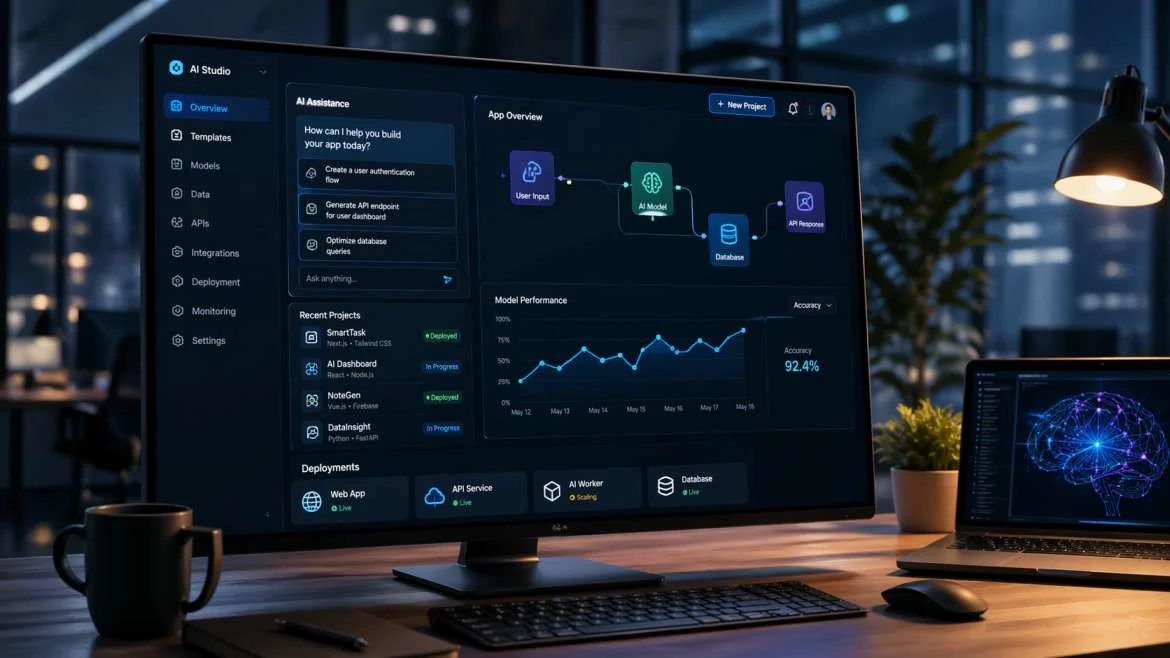
At its core, AI (artificial intelligence) means computers can do things that usually need a human brainthink learning, making choices, or figuring stuff out from scratch. But AI innovations push things even further. It's when computers learn faster, get smarter with less data, or handle stuff that nobody expected machines to do. We're talking about things like chatbots that actually help (not just frustrate), cars that watch the road for you, and software that writes, paints, or even makes music from scratch.
- AI can spot diseases in X-rays better than some doctors
- It powers personal assistants that remember stuff so you don't have to
- Smart fridges remind you when you're about to run out of milk
AI is everywhere now, sometimes in ways you don't even notice. You might not see all the future technology behind your favorite apps, but it's there, making things smoother and faster.
How are AI applications changing everyday life?
Let's get practical. Think of your morning routine: you check the weather on your phone, get news headlines, and maybe play music on a smart speaker. AI makes each of those steps easier and faster. It decides which news stories to show you. It figures out your playlist based on what you skipped or replayed last week. Even traffic apps suggest the least painful commute thanks to AI spotting real-time jams.
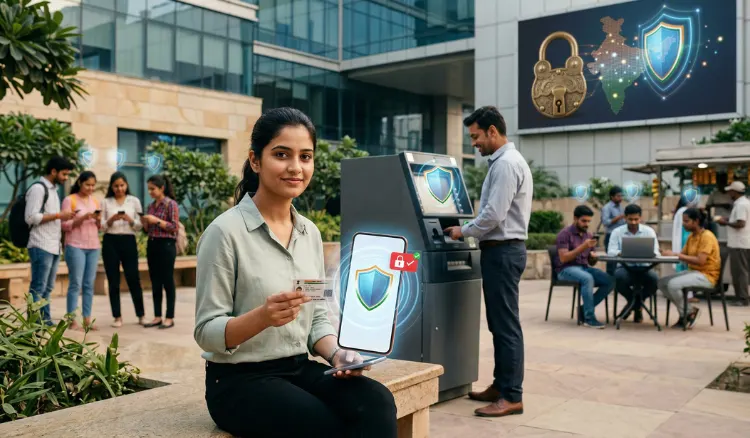
- Banks use AI to watch for fraud so your card isn't hacked
- Streaming services guess what you'll like next
- Smart home systems adjust the lights and temperature as you walk in the door
We're heading towards homes and cities that almost feel alive, always learning how to serve people better. The benefits? You save time, avoid annoying mistakes, and sometimes get help you didn't even realize you needed.
Can AI help with tough problems outside tech?
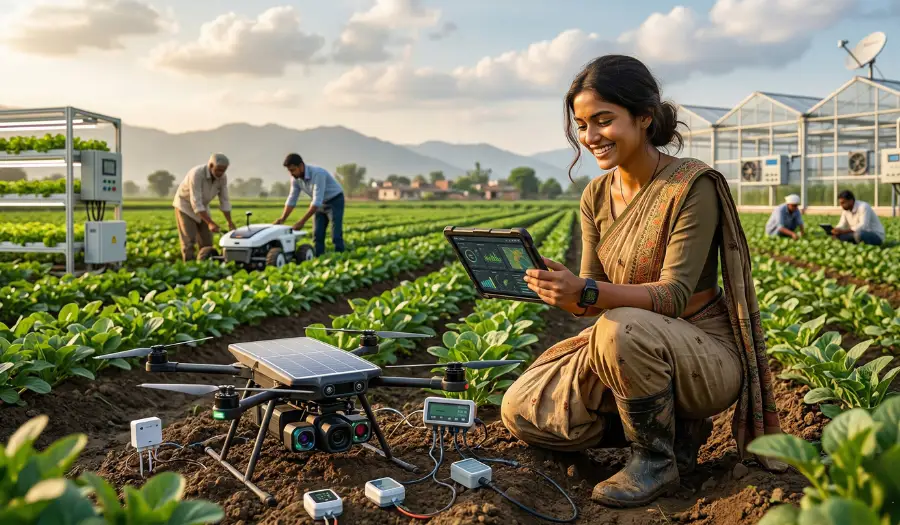
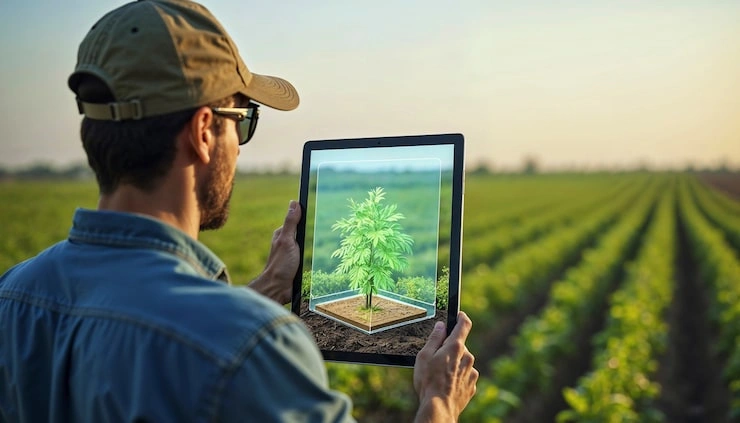
Absolutely. Some of the biggest breakthroughs from AI innovations come in areas like medicine, farming, and even climate science. Doctors can test a new treatment by simulating it on thousands of "virtual" patients, saving years of guesswork and risk. Farmers use sensors and AI to spot crops that need wateror to chase off bugs before they ruin the harvest. Weather scientists use AI to predict storms sooner, giving people more time to get safe.
- AI scans mountains of lab results to find new drugs
- It helps predict wildfires before they get out of hand
- AI matches people to jobs or schools that fit their strengths
Bottom line: AI isn't just about gadgets. It's about solving big, messy problems in ways that used to be impossible.
What are the hottest emerging AI trends right now?
There are new breakthroughs almost every month, but a few AI trends keep popping up. First, "generative AI"the stuff behind chatbots that write essays or image tools that create wild, realistic photoskeeps improving. It's getting so smart, people sometimes can't tell the difference between what was made by a person and what was made by a computer.
- Voice assistants that understand conversation, not just commands
- AI-powered cars making decisions in real time
- Healthcare apps using AI for mental health support
- Language translators knocking down barriers instantly
Add in privacy tools thanks to AI, smarter search engines, and even AI artists. The future? It looks way different than a few years agoand it's coming faster every day.
Are there risks with AI innovations?
No, AI isn't perfect. Sometimes it guesses wrong. Sometimes bias sneaks inlike facial recognition systems that mess up with certain skin tones. Other times, people worry about jobs as new AI applications take over old tasks. Plus, using smart tech means sharing data, which can make privacy tricky.
- AI can make mistakes if the data it's trained on isn't great
- Some apps might collect more info than you expect
- Job tasks may shift, so people need to keep learning new skills
- Fake content (deepfakes) can cause confusion
What helps? Stay curious. Ask questions before you click "agree" or "accept." Look for companies that explain how their tech works. And remembersometimes the old way (like cash at the store) still beats the latest thing.
Where will AI innovations take us next?
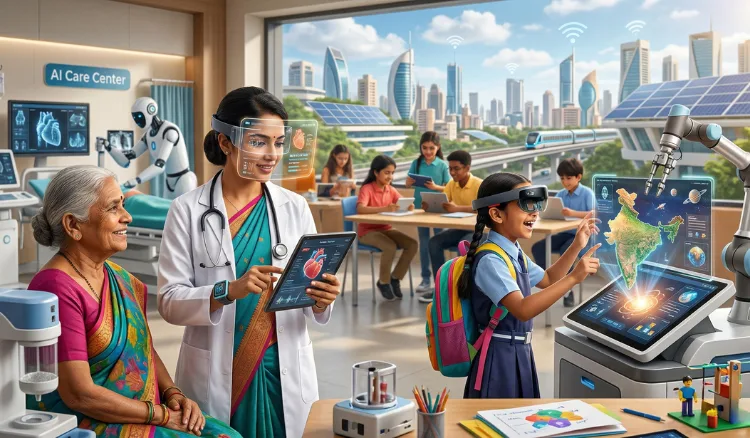
Nobody's got a crystal ball, but we can see hints of what's coming. Expect more helpful AI in schools, helping kids learn at their own speed. Watch for wearable tech that acts like a health buddy, spotting problems before they get big. We'll see virtual reality blends with AI, turning lessons and games into stuff you can almost touch.
- Cars that drive themselves on busy streets
- Doctors double-checking diagnoses with AI backup
- Farmers feeding more people with less waste thanks to smart sensors
- Creative tools for music, writing, and art powered by AI
The real leap? Regular people using advanced AI features without even thinking about it. As long as we ask smart questions and stay nimble, this new future will feel less scary and more like the next natural step.
What's one thing to remember?
It's easy to get overwhelmed with change. Try new AI tools slowly. Play around before you commit. One small upgradelike an app that sorts your photoscould save you hours. Start noticing where AI pops up in your own day and think about ways it could make things smoother, not more confusing.
FAQs about AI Innovations
- Q: What are some simple examples of AI applications at home?
A: Think of smart speakers that play music when you ask, fridges that remind you when food's low, or even TVs that suggest your favorite shows. AI watches what you like and tries to make things easier without you doing extra work. - Q: How safe is it to use AI-powered devices?
A: Most AI devices are safe, but always set strong passwords and check what info you're sharing. Some collect more data than you realize, so peek at the privacy settings and avoid sharing things you wouldn't want public. - Q: Will AI take over jobs completely?
A: AI will change some jobs, but it also creates new ones. People may end up doing work that needs more creativity or personal touch, while routine stuff gets automated. It's smart to keep learning new skills so you're ready for anything. - Q: Can AI help with school or learning?
A: Yes, AI can be a great helper in school. It can recommend practice problems, find videos that explain tough ideas, and even coach kids in reading or math at their own pace. - Q: What are the most important AI trends to watch in the next year?
A: Watch out for smarter chatbots you can talk to, better tools for translating different languages instantly, and apps that protect your privacy while using AI. Cars, health, and even music will all see rapid changes. - Q: How can I start using AI in my daily life?
A: Start simple. Try voice assistants, smarter search engines, or aps that sort your photos or emails. Notice where AI already pops up, then add tools only if they help younot just because they're new.
AI innovations are here to stay, but how much they help depends on how you use them. Test what fits your routine, keep an eye out for new trends, and stay curious. The future's not as far off as it used to be, and with a bit of know-how, it can feel a lot less intimidating.