Mias nine-year-old son, Jake, came home with a painting of their dog riding a skateboard. The weird part? Jake didnt draw it an app did, after Jake described his idea out loud. Wild, right? Stuff like this used to sound impossible. Not anymore. Thanks to artificial intelligence breakthroughs, were seeing things nobody thought computers could do.
If youre wondering how this all happened (and what it means for you, your kids, or your job), youre in the right place. Well break down the biggest wins in AI, why they matter, and how you might run into them in everyday life.
What Counts as an Artificial Intelligence Breakthrough?
AI breakthroughs are those wow, they really did that? moments when machines start doing things people once thought only humans could. Were not just talking about beating someone at chess. Its much bigger. These can be:
- AI doing art, music, or writing
- Machines beating doctors at spotting tiny signs of disease
- Programs chatting with you (and sounding almost real)
The best part (or the scariest, depending on how you look at it)? New advances pop up all the time, pushed by constant AI advancements and wild ideas from artificial intelligence research. Some are small tweaks, others change the whole game.
Why Are Recent AI Innovations Making Headlines?
Until a few years ago, AI was mostly hidden in labs or behind the scenes. Now, its front and center. People use it at home, at work, and even to create internet memes.
- AI chatbots answering customer questions even at 2am
- Fake voices and images that look real enough to fool your grandma (and sometimes the news)
- Self-driving cars, not just in sci-fi movies, but on real streets
Whats changed? More data, more powerful computers, and cleverer coding. Together, those ingredients helped AI leap forward fast.
How Do These AI Advancements Actually Work?
Anyone can toss around phrases like "machine learning" or "neural networks" and leave you more confused. Heres the kid-version: AI learns by seeing patterns a bit like memorizing flashcards, but with millions of examples. The computer guesses, checks itself, and tries again until it mostly gets things right.
Lets say its learning to spot cats in photos. It looks at thousands of pictures labeled "cat" or "not cat" and figures out what makes a cat, well, a cat (pointy ears, certain fur shapes, etc.). Later, you toss in a picture its never seen, and it says, "Cat!" (with pretty good confidence).
That same pattern-finding power helps AI do way bigger things writing stories, analyzing x-rays, and even helping scientists discover new drugs.
What Are the Coolest Artificial Intelligence Breakthroughs So Far?
- AI art and music: Apps that paint, write poems, or make new songs (sometimes weird, sometimes shockingly good)
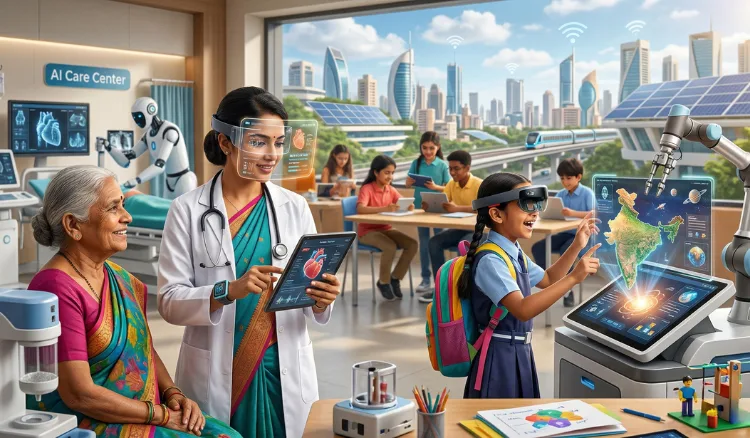
- Medical helpers: AI catching diseases earlier than doctors could with just their eyes
- Language models: Chatbots that can explain quantum physics or tell dad jokes
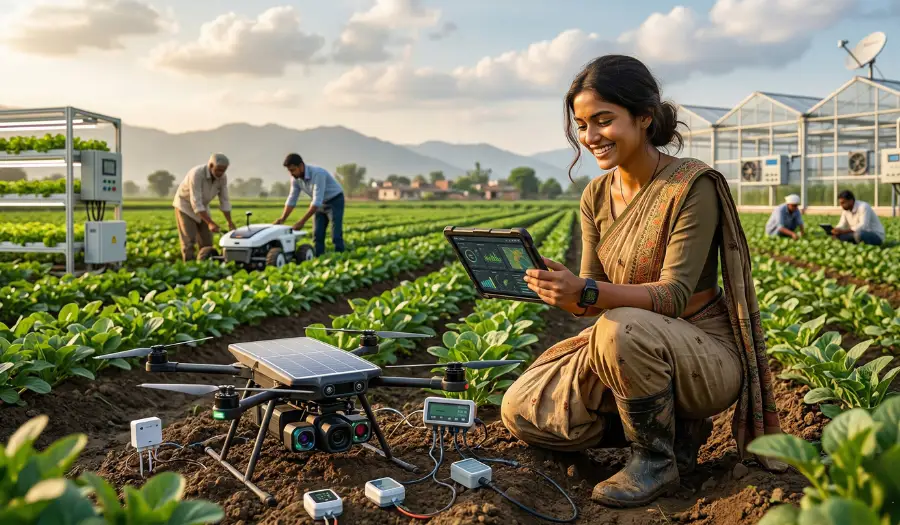
- Self-driving tech: Cars, delivery robots, and even drones making decisions on their own
- Translation apps: Real-time speech translation so you can chat with someone who speaks zero English
The list keeps growing. Each leap opens new doors and new questions.
What Could Go Wrong With Rapid AI Technology Progress?
Lets be honest: big changes can cause big headaches. AI brings risks as well as cool tricks.
- Jobs may shift or disappear. The same bot that fixes your schedule might one day replace a receptionist.
- Fake content. Deepfake videos and voices could fool people or spread lies.
- Bias in the system. If an AI learns from unfair data, its results can be unfair too.
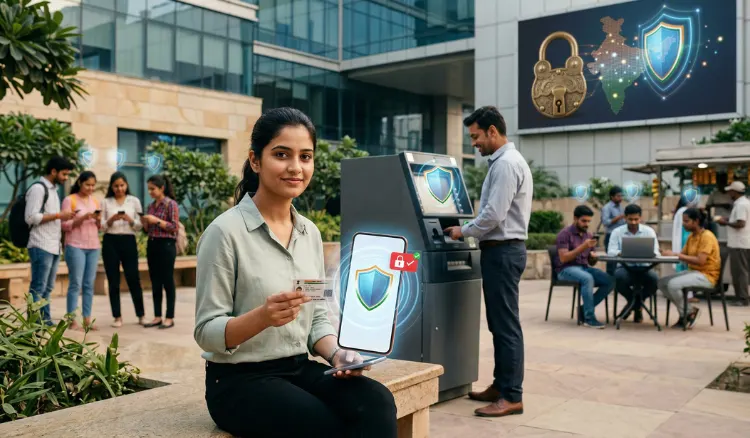
- Privacy worries. Who decides what AI should or shouldn't know about you?
Its not all doom and gloom but these are real problems. Experts argue over rules and guardrails, and thats a good thing. No systems perfect, and AI is only as good as the people (and data) behind it.
How Can You Use AI Innovations Without the Headaches?
Heres the trick: use AI for the boring, confusing, or repetitive stuff not everything. Think of it like a supercharged assistant. You still call the shots, but it does the heavy lifting.
- Auto-organizing your emails
- Helping your kid practice math with fun quizzes
- Making playlists or custom recipes right from your fridge inventory
- Translating notes from meetings into clear bullet points
Start slow. Test tools to see if they help or just get in the way. If something feels off, trust your gut.
Where Is Artificial Intelligence Research Headed Next?
No one has a crystal ball, but some things are clear:
- AI will keep getting better at learning from small amounts of data
- More tools will work across different languages and cultures
- AI might team up with other tech (like robots and sensors) to do stuff we can barely picture now
- Therell be more talk and action about how to use AI safely and fairly
Its both exciting and nerve-wracking. A little knowledge goes a long way when it comes to riding the AI wave.
Bottom Line: How Should You Feel About All This?
AI is getting smarter, faster, and more common whether youre ready or not. The best move? Stay curious and try new things where they might help, but keep asking questions. You dont need to be a tech geek to try out AI tools, but it helps to understand the basics. Start small, think big, and dont be afraid to mess up (and laugh about it). The future's up for grabs, and plain old human judgment still matters most.
FAQs
-
Whats the biggest artificial intelligence breakthrough right now?
The biggest shift is AI that can talk, write, make art, and solve tough problems like a person. Language models and smart image creators are everywhere. These tools help lots of people get work done faster and try things they couldnt before like drafting essays, designing art, or translating on the fly. -
How do AI advancements affect jobs?
Some jobs get easier with AI, some might disappear, but new ones also pop up. Tasks like sorting info or scheduling calls can be automated. At the same time, humans are needed to check, guide, and improve what AI does. Adapting and learning new stuff matters more than ever. -
Are recent AI innovations safe to use?
Most are safe if you use them wisely and check for errors. Always double-check what an AI tells you, since mistakes happen. Share personal info carefully and tweak your privacy settings. With new tech, being careful beats being sorry. -
How does artificial intelligence research keep improving?
Researchers keep finding smarter ways for AI to learn, often with less data and less computing muscle. They study new approaches and test ideas with real-world problems. Theres always some trial and error even famous models sometimes flop before they work well. -
Can anyone use AI technology progress or is it just for experts?
Almost anyone with a smartphone or computer can try out basic AI tools now. Simple apps help with writing, music, and photos. If you want to do more advanced stuff, you can learn as you go; plenty of guides online make it easier for beginners. -
What should I do if AI technology makes a mistake?
Dont panic. Most AI slip-ups arent dangerous, but they can be annoying. Always double-check important results, and report big errors if you can. Use AI as a helper, not your only decision-maker.