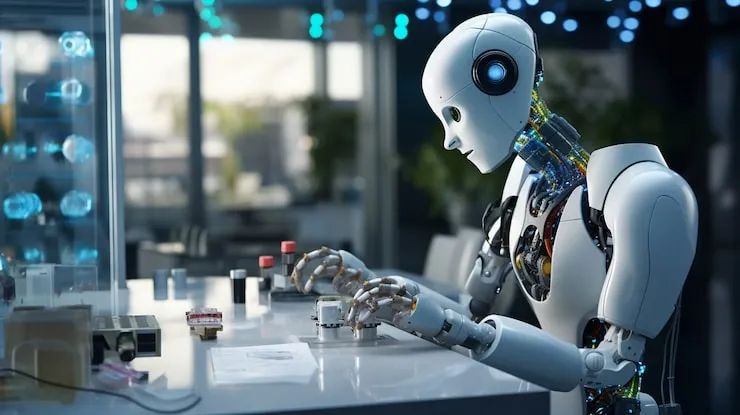
In today’s rapidly evolving technological landscape, artificial intelligence (AI) has emerged as a transformative force, revolutionizing industries and redefining the way we interact with machines. Once considered the realm of science fiction, AI has now become an indispensable tool in both professional and personal spheres.
Among its many breakthroughs, one of the most remarkable applications is its ability to transform ordinary tasks into masterpieces, enhancing productivity, creativity, and efficiency in ways previously unimaginable.
From automating mundane administrative work to elevating creative projects like design, music, and writing, AI is reshaping what it means to accomplish tasks. In this blog, we’ll explore the power of AI systems, the ways they are turning routine work into extraordinary outcomes, and the implications for individuals, businesses, and society at large.
The Rise of Artificial Intelligence in Everyday Tasks
Artificial intelligence encompasses a range of technologies—machine learning, natural language processing, computer vision, and robotics—designed to mimic human intelligence.
Initially, AI was primarily applied in specialized fields such as healthcare diagnostics, financial analysis, and industrial automation. However, its application has expanded dramatically, bringing sophisticated problem-solving capabilities into daily life.
Ordinary tasks that once required manual labor or repetitive effort are now being optimized by AI systems. From scheduling meetings to generating content, AI enhances efficiency while simultaneously allowing humans to focus on higher-value, creative, and strategic endeavors.
How AI Turns the Ordinary into the Extraordinary
The true power of AI lies in its ability to augment human capabilities. By analyzing vast amounts of data, identifying patterns, and making intelligent decisions, AI systems can elevate mundane tasks into outputs that are not just functional but impressively sophisticated.
1. Automating Routine Workflows
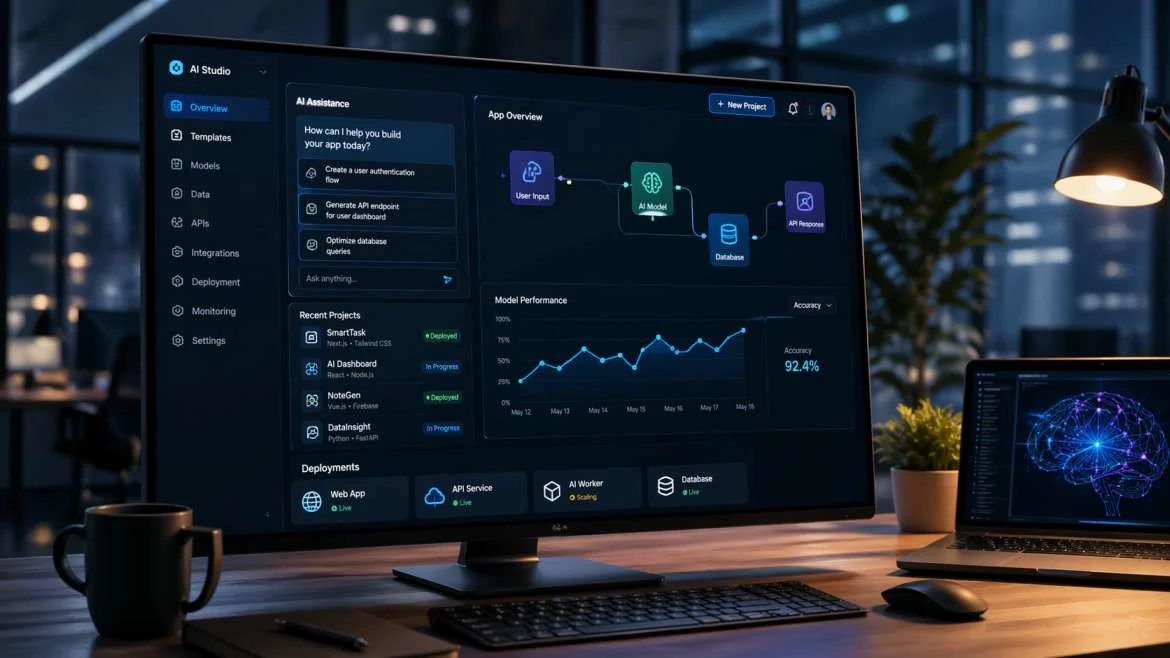
One of the most visible ways AI transforms ordinary tasks is through automation. Administrative tasks like data entry, appointment scheduling, and document processing can consume significant time and mental energy. AI-powered tools such as robotic process automation (RPA) can handle these tasks efficiently, reducing errors and freeing humans to focus on strategic work.
-
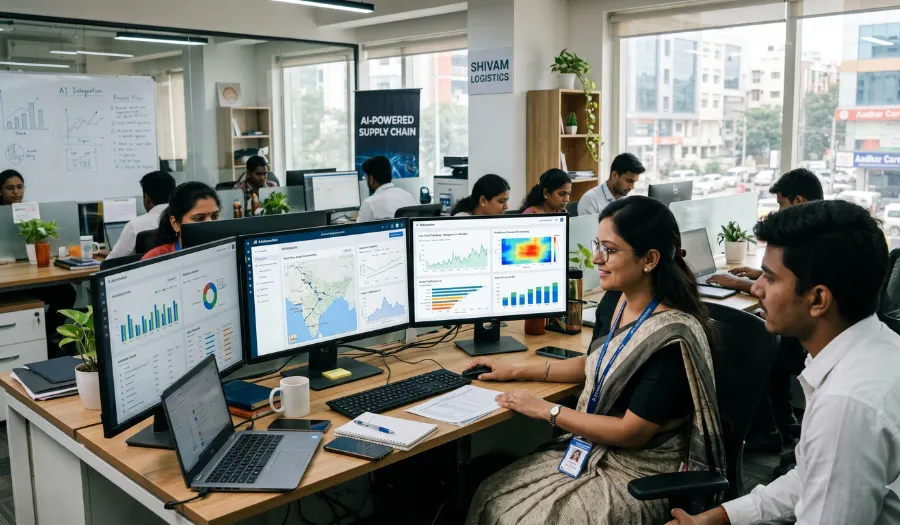
Example: An AI system in a corporate office can automatically sort emails, schedule meetings, generate reports, and even draft responses. The result is not merely completion of routine tasks—it’s an optimized workflow that feels seamless and intuitive, almost like a digital assistant with creative intelligence.
2. Enhancing Creativity in Design and Art
Beyond efficiency, AI is redefining creativity. Tools like generative AI can analyze style, composition, and trends to produce designs, artwork, and even music that are aesthetically compelling.
-
Example: AI platforms like DALL·E or MidJourney generate high-quality visual art from textual prompts. A user who might only sketch a rough idea can leverage AI to produce professional-grade illustrations, turning a simple concept into a masterpiece.
-
Music and Sound Design: AI systems can compose music by understanding patterns in melody, rhythm, and harmony. This allows hobbyists and professionals to generate intricate compositions in minutes, transforming ordinary music creation into professional-level production.
3. Revolutionizing Writing and Content Creation
Writing is another domain where AI shines, turning ordinary text into well-structured, engaging, and polished content.
-
Example: AI writing assistants can draft emails, create marketing copy, and even generate long-form blogs with coherent structure, grammar, and style. They can also tailor content to specific audiences, enhancing readability and impact.
-
Benefit: What once might have taken hours of brainstorming, drafting, and editing can now be accomplished in minutes, without sacrificing quality. The AI acts as a collaborator, elevating the final product into something resembling a literary or professional masterpiece.
4. Optimizing Everyday Decision-Making
AI isn’t limited to artistic or administrative applications; it also enhances decision-making in everyday life. By analyzing data patterns and predicting outcomes, AI systems provide insights that help individuals make informed choices.
-
Example: AI-driven financial apps can analyze spending habits, optimize budgets, and suggest investment strategies, turning mundane financial tracking into strategic wealth management.
-
Example: AI tools in healthcare can monitor personal health metrics and provide insights that improve diet, fitness, and overall well-being. Routine health management becomes elevated to a data-driven, precision-guided experience.
Case Studies: AI Transforming Ordinary Tasks
Case Study 1: AI in Marketing
Marketing teams often juggle content creation, campaign analysis, and audience engagement—tasks that can be repetitive and time-consuming. AI-powered marketing tools automate campaign analytics, generate ad copy, and even suggest content strategies based on audience behavior.
-
Impact: A small business owner who previously struggled to produce compelling social media content can now launch campaigns with professional-level quality, reaching audiences effectively while saving time.
-
Outcome: Ordinary marketing tasks transform into highly strategic, results-driven activities with creative flair.
Case Study 2: AI in Education
Teachers face the challenge of grading assignments, preparing lesson plans, and tracking student progress. AI systems can now automate grading, analyze student performance patterns, and even generate interactive learning materials.
-
Impact: Routine grading and administrative work is reduced, enabling educators to focus on personalized teaching and innovative lesson planning.
-
Outcome: Educational tasks evolve from routine administration to creative, impactful teaching strategies.
Case Study 3: AI in Personal Productivity
AI-powered digital assistants, like advanced scheduling tools, note-taking apps, and workflow managers, transform daily productivity. By learning user habits, predicting needs, and proactively managing tasks, AI makes ordinary routines effortless and precise.
-
Impact: Simple tasks like coordinating meetings, tracking deadlines, or organizing documents are handled automatically.
-
Outcome: Daily productivity feels streamlined, efficient, and almost artistic in execution, allowing individuals to focus on innovation rather than busywork.
Benefits of AI-Enhanced Task Transformation
The transformation of ordinary tasks into masterpieces is not just about novelty—it delivers tangible benefits across personal and professional domains:
1. Increased Efficiency and Accuracy
AI systems reduce human error and accelerate task completion. This efficiency translates to higher quality outputs with minimal effort.
2. Creative Amplification
By providing tools for visual design, writing, and music creation, AI amplifies human creativity, enabling users to produce work beyond their conventional skill level.
3. Personalized Experiences
AI systems learn from user behavior, preferences, and feedback. Tasks that once felt routine can now be customized to individual needs, increasing engagement and satisfaction.
4. Time Optimization
By automating repetitive tasks, AI frees time for higher-level thinking, strategic planning, and creative pursuits, turning mundane activities into opportunities for mastery.
5. Cost Savings
Organizations and individuals save resources by reducing labor-intensive work while maintaining or enhancing output quality. AI turns ordinary processes into efficient, high-value operations.
Ethical and Practical Considerations
While AI’s transformative potential is immense, responsible deployment is critical:
1. Human Oversight
AI should augment human creativity, not replace it. Oversight ensures that outputs remain meaningful, ethical, and aligned with human intent.
2. Data Privacy
Many AI systems rely on personal or organizational data. Protecting privacy and ensuring secure data usage is essential.
3. Avoiding Over-Reliance
While AI can automate and enhance, over-reliance risks skill erosion. Humans must maintain proficiency and critical thinking to complement AI capabilities.
4. Ethical Creativity
In creative domains, AI-generated outputs can blur lines of authorship and originality. Users must navigate these concerns responsibly, ensuring transparency and credit where due.
The Future: AI as a Creative Collaborator
The future of AI is not merely as a tool for efficiency—it’s as a collaborative partner in creation and innovation. Emerging trends suggest:
-
AI will continue to personalize and enhance daily life, from automating household tasks to curating experiences tailored to individual preferences.
-
Creative professionals will use AI as a co-creator, combining human intuition with algorithmic precision to produce works of unprecedented complexity and beauty.
-
Businesses will leverage AI to transform ordinary operational tasks into strategic advantages, turning routine processes into high-value outcomes.
As AI becomes more intuitive and capable, it will increasingly blur the line between ordinary and extraordinary, making mastery accessible to anyone willing to embrace technology.
Conclusion
Artificial intelligence has arrived as a transformational force, turning everyday tasks into opportunities for creativity, efficiency, and mastery. From automating mundane workflows to generating high-quality art, music, and content, AI allows individuals and organizations to achieve results that were once unattainable.
By harnessing AI thoughtfully and responsibly, we can elevate our daily routines, amplify creativity, optimize decision-making, and unlock new levels of productivity. What was once ordinary—grading assignments, creating a design, composing music, or managing emails—can now become extraordinary, sometimes even masterpiece-level work.
The key lies not just in using AI, but in embracing it as a partner, collaborator, and enhancer of human capability. As we continue to explore its potential, AI promises a future where ordinary tasks are transformed into extraordinary outcomes, and every effort has the potential to reach its highest expression.
Whether in the office, studio, classroom, or home, AI is no longer just a tool—it is a catalyst for turning the routine into remarkable, proving that the future of work and creativity is smarter, faster, and infinitely more imaginative.