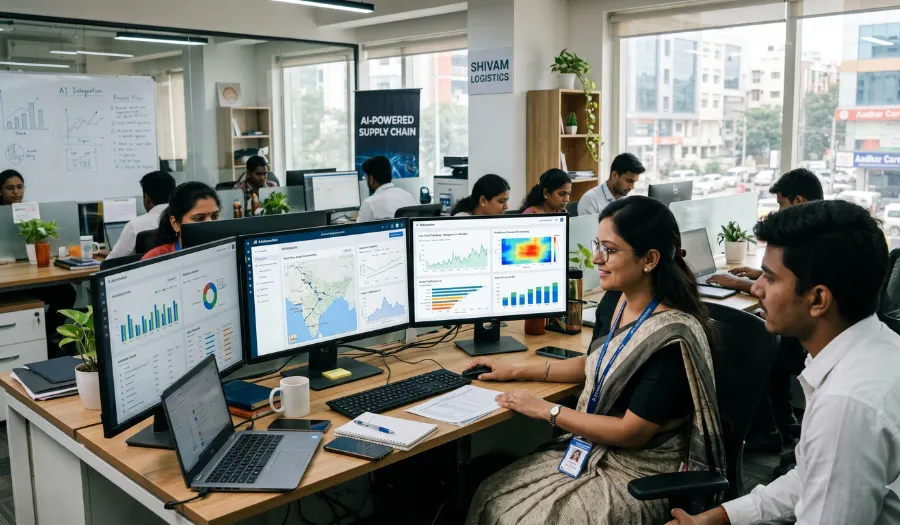
Meet Ravi. He runs a logistics business out of Singapore. Trucks, ships, paperworkthe boring stuff. But now his biggest headache isnt trafficits figuring out what AI can do for him, and whats just hype. If youre in the Asia Pacific, you get it. AI is everywhere. So are the promises. But what actually works? And how do you go from buzzwords to real upgrades without sinking money (and sanity) into tools you dont need?
Well break down Asia Pacific AI trends, why this part of the world is doing things differently, and how regular people are making AI part of everyday business. Whether youre a manager, coder, founder, or just want to know whats next, this is for you. Lets make sense of whats realand whats worth skipping.
Whats Actually Happening with AI in Asia Pacific?
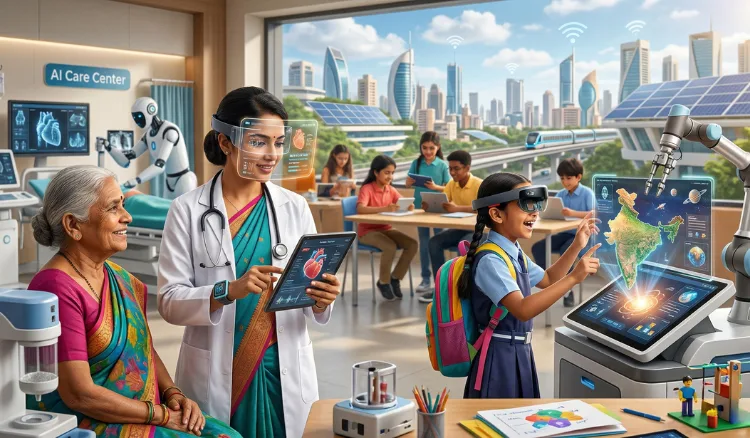
Youve heard it: AI changes everything. But in the Asia Pacific, its less about showing off and more about getting actual problems solved. Countries like Japan, South Korea, Singapore, and India are rolling out smart tools for things like banking, healthcare, and education. Instead of talking about AI, theyre quietly using it to check medical scans, translate languages, and predict when a factory will need repairs.
- Healthcare: Hospitals in Thailand are using AI to spot diseases early, sometimes before a doctor does.
- Banking: Digital banks in Hong Kong flag scams and help customers in their own languagesoften with AI behind the scenes.
- Urban Planning: Cities in South Korea predict traffic jams and adjust signalsautomatically.
If youre watching the news, Asia Pacifics approach might feel low-key. But thats the point. Asia Pacific AI trends favor get stuff done over big promises.
Why Are Asia Pacific Countries So Fast at Adopting AI?
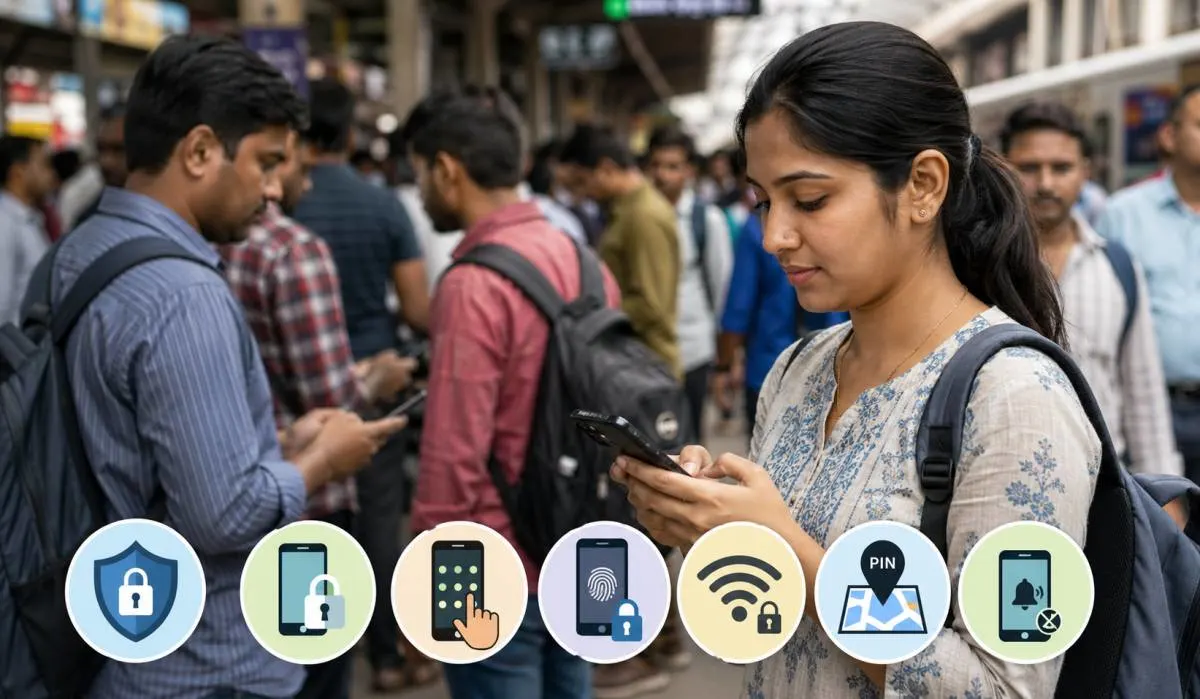
Look at the numbers. More people here use smartphones than almost anywhere on earth. Fast internet. Big cities. Different languages packed into tiny spaces. Plus, tons of small businesses desperate to work smarter, not harder. When youve got that mix, future ready technology in Asia Pacific isnt an optionits the only way to keep up.
- Tech-friendly culture: Even grandparents use mobile payments before they text their grandkids.
- Tough problems: Hospitals are crowded. Schools have 40 kids in a class. AI isnt a luxuryits survival.
- Government push: Policies in Singapore and others give businesses support to try out AI without risking everything.
The real secret? People here have always found a way to blend old-school wisdom with whats new. Its not about showing off. Its about keeping the shop open, the delivery on time, or the patient alive.
Which AI Technologies Are Asia Pacifics Favorites?
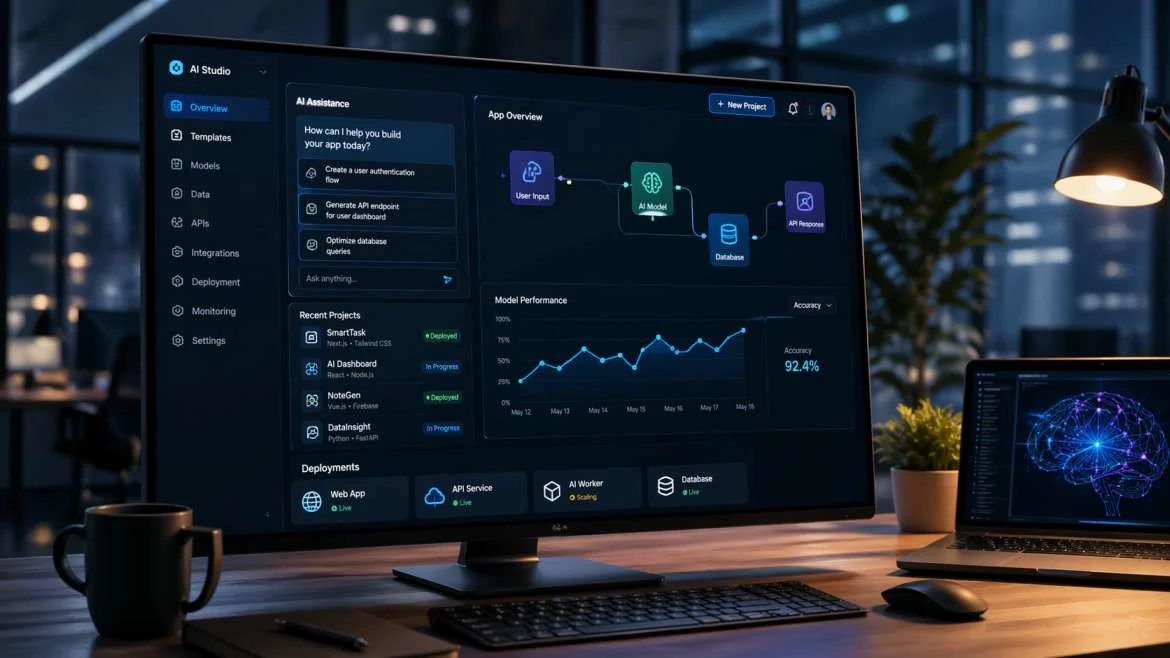
Youve got the big names (think smart assistants), but most action happens in plain sight: simple, reliable AI that sorts info fast. Here are the biggest trends:
- Language tools: Translation that works for dozens of dialects, so people dont get left out.
- AI cameras: Shops use face recognitionnot for spying, but to track customer flow and keep lines short.
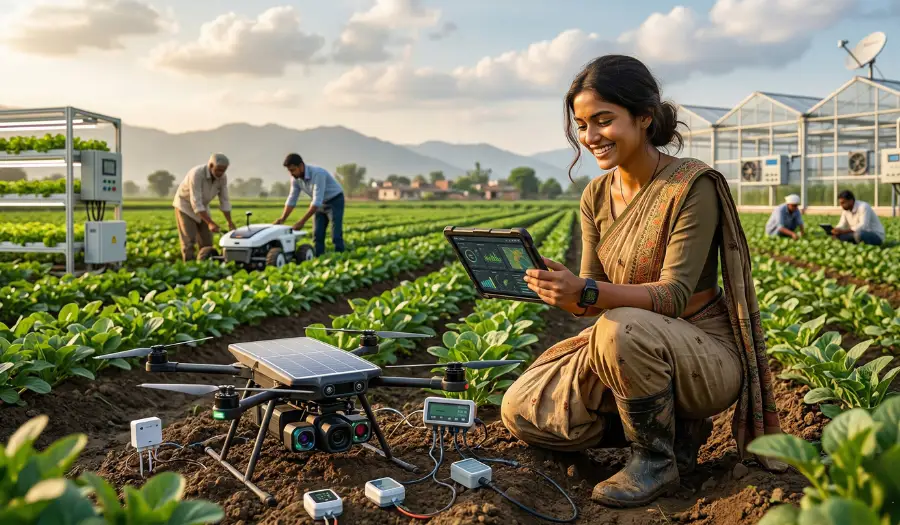
- Predictive analytics: Factories and farms use sensors and pattern-spotting AI to know when a machine or crop needs attention.
AI innovation in Asia often looks ordinary, but it means people spend less time on boring stuff and more on work that matters. Thats what future ready technology Asia Pacific is really abouttools you barely notice, but cant live without once they work.
How Do Everyday Businesses Use AI Without Breaking the Bank?
If youre thinking Sounds fancy. I dont have the budget for robots, youre not alone. Heres the trick: most small businesses skip big, complicated AI tools. They use:
- Free chatbots to answer simple website questions
- Translation apps to talk to customers and suppliers
- Inventory alerts that ping your phone when stock gets low
Ive seen noodle shops using AI-based ordering tabletsjust a basic app that remembers who likes it spicy. Does it save hours? No. But it stops fights over forgotten orders. For these businesses, artificial intelligence potential Asia means simple fixes for daily pain points, not moonshot ideas.
What Can Go Wrong When Jumping Into AI?
Heres the honest truth: AI can be annoying if you jump in with zero prep. I once tried automating my invoices. It workeduntil it paid two at once because I set up the rules wrong. Common headaches in Asia Pacific digital transformation:
- Language misses: Not all AI speaks every dialect (yet). Get ready for mix-ups.
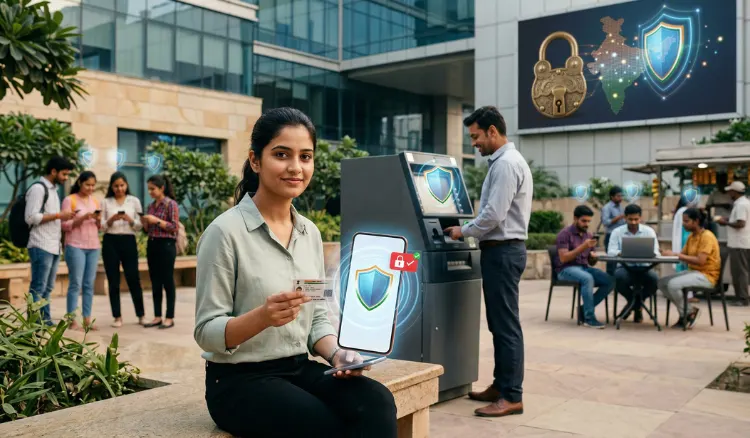
- Privacy worry: Facial recognition can freak people out if you dont explain.
- Data mess: Garbage in, garbage out. Bad info means bad results.
If you want AI to help, start small. Test on low-risk tasks, like sorting email or sending order alerts. Fix what breaks. Only then, add it to trickier jobs.
How Can You Future Proof Your Skills for Asia Pacifics AI Wave?
You dont need to code to get ahead. Heres what actually matters:
- Curiosity: Try new AI appsdont just read about them.
- Learning keywords: Know basic terms, like machine learning or natural language processing, so you arent lost.
- Ask questions: Vendors, bosses, coworkers. If something sounds impossible, it probably is.
The best move? Start small. Use an AI app for one task you hate. If it helps, try another. Most future ready technology Asia Pacific is user-friendlyif its not, ditch it. Your time is too valuable.
Are There Risks in Asia Pacifics AI Boom?
Every tech shift comes with headaches. Heres what can go sideways:
- Jobs changing: Some tasks disappear. But new jobs pop up, like training AI or checking its work. Dont panic, but dont stand still either.
- Bias: If your datas skewed, AI might make unfair calls. Keep eyes openflag weird results early.
- Burnout: Too many tools, too fast. You dont have to adopt every shiny thing. Pick what sticks.
The cool thing? Most Asia Pacific teams stick to what works and toss what doesnt. Its not about being firstits about being useful.
FAQ: Real Questions on Asia Pacific AI Trends, Tech, and More
- Q: What makes Asia Pacific AI trends different from the US or Europe?
A: Asia Pacific focuses more on solving daily problems for regular people, not just corporate projects. Youll see translators, chatbots, and payment tools people really use. The region deals with more languages, faster phone adoption, and a need to fix crowded systemsall things that push for practical AI, not just cool demos. - Q: How can small businesses in Asia Pacific start using AI?
A: Start small. Try free tools for translations, chatbots on your website, or basic scheduling apps. Dont commit lots of money. Test drive one tool for a week, see if it helps. Most small shops use AI for things like handling common orders or translating messagessimple steps with big payoff. - Q: Are there privacy concerns with AI innovation in Asia?
A: Yes, especially with cameras and face recognition. People want to know how their data gets used. Businesses should explain what theyre doing, use data safely, and respect rules. If in doubt, ask customers for permission firsthonesty builds trust. - Q: What jobs are safest from AI in Asia Pacific?
A: Jobs that need creativity, personal touch, or trust are harder to automate. Think teachers, health workers, cooks, and anyone helping people face-to-face. AI helps with boring jobssorting info, tracking salesbut people still want real humans for things that matter. - Q: Can I use AI without knowing how to code?
A: Absolutely. Most AI tools in Asia Pacific are made for normal people. They come as phone apps or easy website add-ons. Give them a try. If you get stuck, YouTube how-to videos or ask a friendno need to learn programming. - Q: How do I know if A is right for my business?
A: Ask yourself: Is there a daily task you hate or waste time on? Theres probably an AI tool to help. Try it on a trial basis. If it saves you stress or time, keep it. If not, drop it. Dont buy into the hypepick what actually helps you.
So heres your move: try one AI tool for a week. If it saves you time or stress, keep going. If not, skip it. In Asia Pacific, thats how most businesses ride the AI waveone simple step at a time, no magic or massive bills. Youll find your own way through the noise.