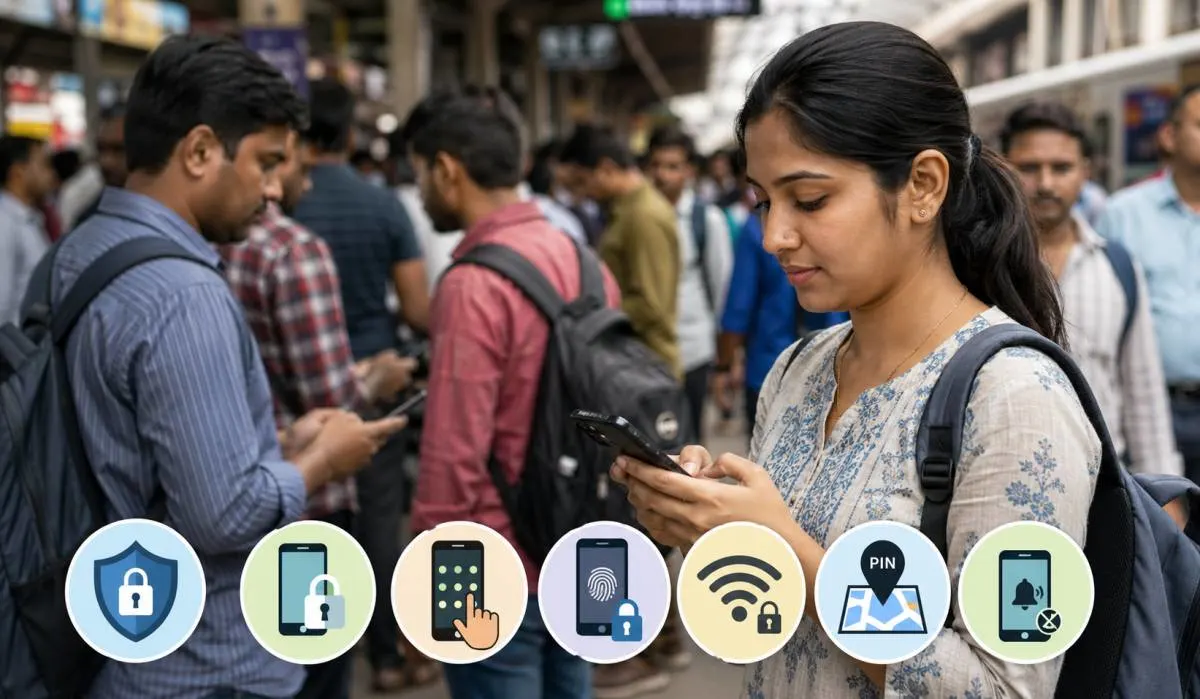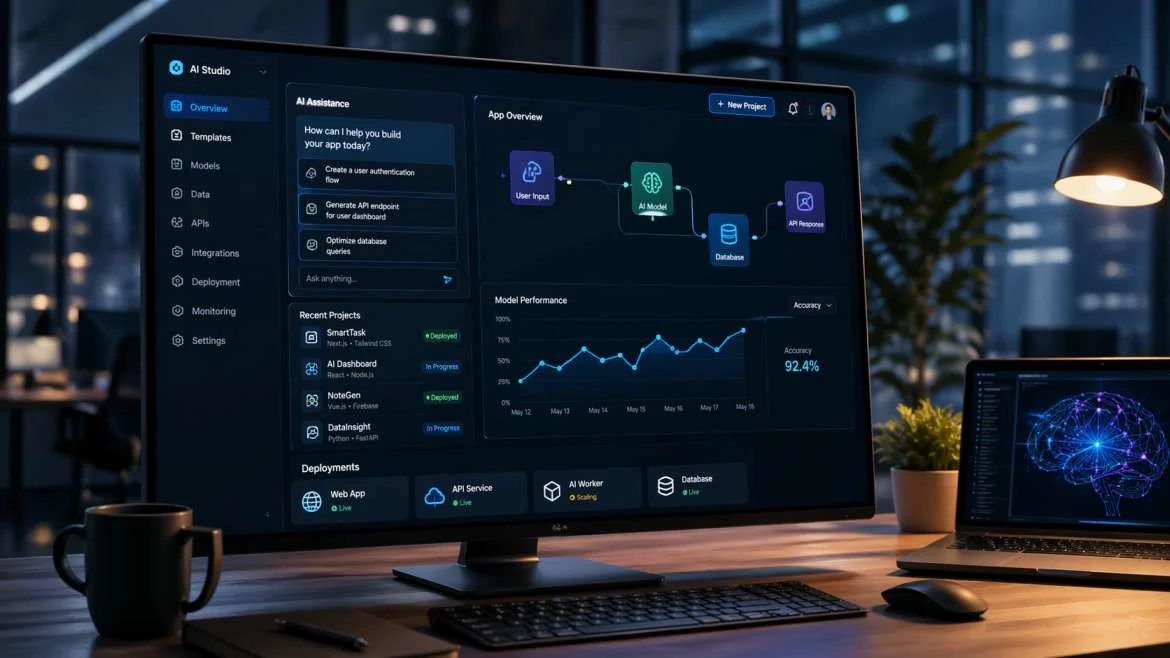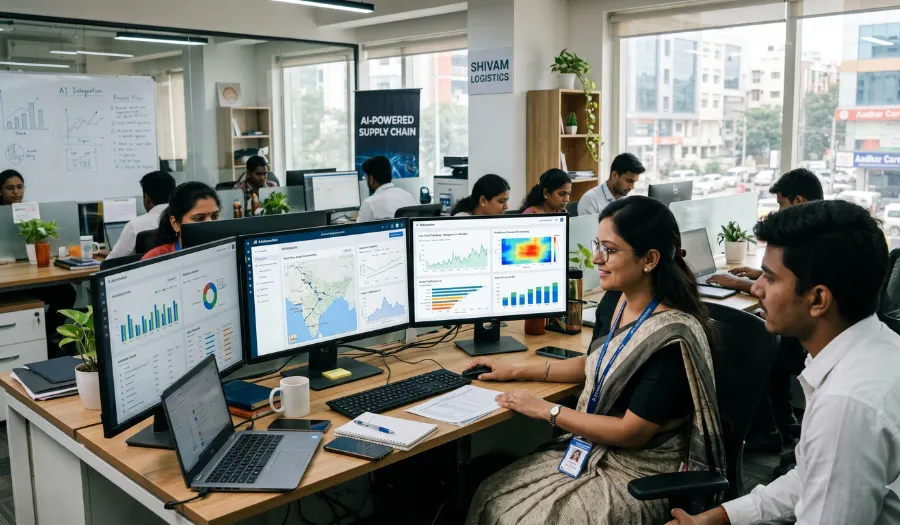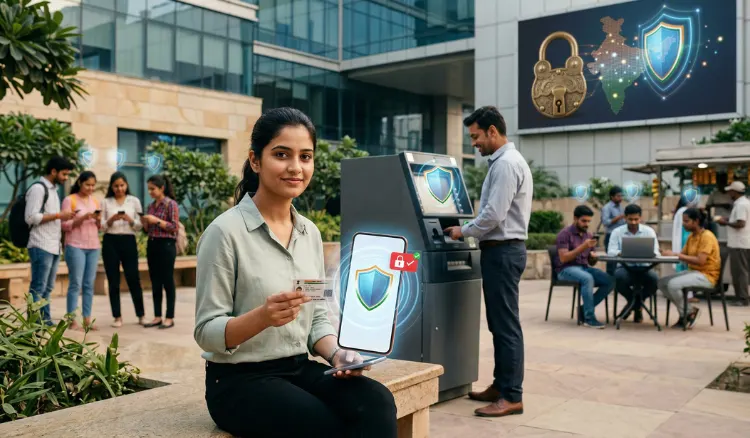
Picture this: You're in Tokyo, Jakarta, or Sydney. You reach for your phone, and your ride arrives before you finish your coffee. AI powers that behind the scenes. It's running through daily life in ways most people don't even notice, but the Asia Pacific AI future is so much bigger than a smoother commute or finding the best restaurant.
If you're wondering what artificial intelligence will really mean for this region—your job, your school, your city, and your future—pull up a chair. We'll break down how AI is growing across Asia, why everyone's buzzing about it, and what you should know before it changes even more.
What's Driving the Rise of AI in Asia Pacific?
Asia loves tech. That's no secret. But the push for AI here isn't just hype. Cities are growing fast, and so are challenges—traffic, pollution, finding enough teachers, doctors, and safe jobs. AI isn't a magic fix, but it's popping up everywhere because it helps solve real problems. Think smart city cameras reducing gridlock in Singapore, or language tools bridging gaps for travel and business.
- Big population: Lots of data means smarter, faster learning for AI products
- Massive investment: Governments and companies in China, Japan, Korea, and India are putting in real cash—billions, not millions
- Education focus: Universities are graduating armies of tech pros, ready to push AI further
The result? Cities and whole countries are moving fast, from automating call centers in Manila to using AI to track illegal fishing off Vietnam. It's wild, but it's just the start.
How Is AI Showing Up in Real Life?
So, what does all this talk actually look like every day? Here are examples of how artificial intelligence is changing things:
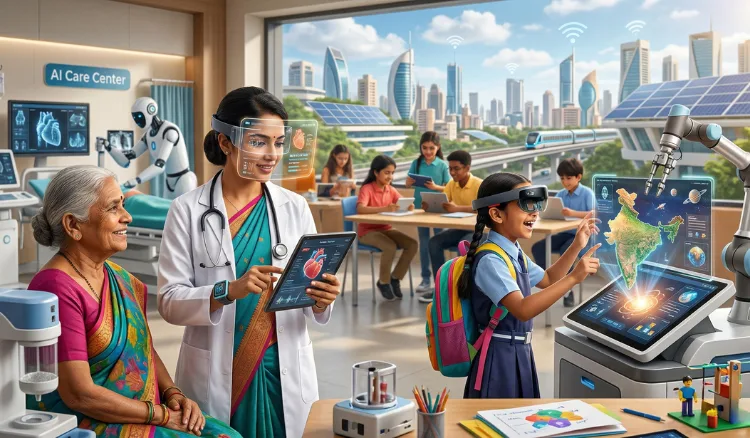
- Health care: AI reads x-rays in busy hospitals, helping doctors spot problems faster, even where there's a shortage of specialists.
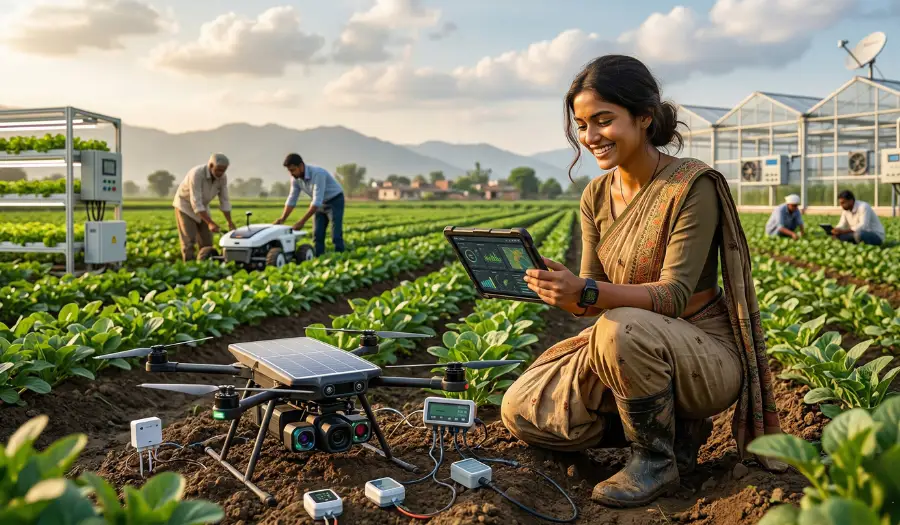
- Agriculture: Farmers in India and Thailand use AI weather apps to figure out when to plant or harvest, earning more and wasting less.
- Education: AI tutors in China and Singapore give students feedback on math, science, and even language skills, personalizing the whole learning process.
- Shopping: Big online stores in Korea and Japan suggest products based on what real people like you bought—and yes, that's AI.
- Disaster prep: Japan uses AI for earthquake and tsunami warnings, saving lives by giving people more time to react.
Beneath the surface, AI is helping governments predict water shortages, keeping an eye on internet safety, and protecting endangered animals. It's not just future talk—it's everywhere from classrooms to rice fields, and the pace is picking up.
What Makes The Asia Pacific AI Future Different From The West?
Sure, AI is big in the US and Europe, too. But the Asia Pacific approach has some unique twists:
- Wider adoption in daily life: From robots greeting you at hotels in Japan, to chatbots translating dozens of local languages in Indonesia.
- Government push: Many countries are setting national goals for AI, including training millions of new AI workers.
- Local problems, local solutions: Asia's versions of AI often focus on things outsiders don't think about, like handling street vendors in Bangkok or digital banking for people without bank accounts in rural China.
It's not all smooth sailing, though. Some countries face issues like data privacy, or worry about new tech leaving some folks behind. But the speed, the scale, and the imagination? That's tough to match.
Can AI Replace Human Jobs in Asia Pacific?
This is the question everyone's asking. Will AI steal your job, or just make you work differently?
The truth: both. Some simple jobs—like checking items at a store or sorting documents—are already getting automated. That can be scary. But there are also new jobs popping up, like AI trainers, data fixers, and tech support for all these smart systems. Countries are racing to retrain workers, but it's a real challenge.
- Jobs at risk: Repetitive office work, call centers, simple factory work
- Jobs growing: Data science, AI maintenance, digital design, AI-based health care
If you work in a job that can be written down as a series of clear steps, yes, AI could do it someday. But jobs where people manage, comfort, or create? Those aren't going away. It's more about working alongside AI, not just being replaced.
Asia Pacific AI Growth: Is It Good For Everyone?
Here's a tough one: Is AI helping everyone, or just making life easier for the rich?
AI can open doors—like online learning in rural areas, access to better health care, or digital banking for folks far from major cities. But not everyone has a fast phone or perfect internet. Sometimes, AI bias is a real problem—if the tech is trained mostly on city data, rural or minority users get left out.
- Potential perks: Faster public services, better health, and safer streets
- Biggest roadblocks: Access gaps, bias in data, old-school laws that can't keep up
This is why smart leaders are pushing for fairer tech rollouts and new laws to make sure AI doesn't leave anyone behind. The region's future wins depend on it.
How Can You Prepare For The AI-Powered Future?
Feeling a little overwhelmed? You're not alone. But there are ways to get ready:
- Stay curious: Try new apps, learn the basics of AI (no, you don't need to be a coder)
- Build skills: Problem-solving, empathy, communication—these work with or without AI
- Watch trends: Notice where AI shows up in your life, talk about it with friends or coworkers
- Don't fear mistakes: Everyone messes up with new tech. Trying matters more than getting it perfect right away.
The future will bring surprises. But if you start now, you'll be ahead of most people, not scrambling to catch up.
What Could Go Wrong? (And How To Avoid It)
No tech is perfect. Here’s what could trip people up in the Asia Pacific AI future:
- Privacy snags: If apps or governments aren't careful, data can get misused.
- Overhype: Not every new AI tool is actually helpful—sometimes, it's more flash than real benefit.
- Training gaps: If people aren't taught to use new AI systems, they get left out or frustrated.
- Bias: When AI is trained on limited or unfair data, it makes mistakes that hurt real people.
The smart move? Ask questions. If a new tech tool seems sketchy, or leaves out your community, speak up. The region moves fast, but it's not too late to shape how AI fits in our lives.
FAQs: What People Ask About AI in Asia Pacific
- How fast is AI growing in Asia Pacific?
AI is growing quickly—faster than in many other places. Every year, there are more AI tools in schools, businesses, and homes. Big countries like China and India are leading the way, but smaller nations are catching up. In short, it's spreading everywhere. - Will AI take over all jobs in Asia Pacific?
No, AI won't replace every job. Some repetitive jobs could go away, but new jobs using AI are being created. The real answer is that jobs will change, and people will work together with AI. Being flexible and learning new skills helps you keep up. - How is AI helping small businesses in Asia?
Small businesses use AI to do things faster, like tracking sales or helping customers online. This saves time and money. AI can also help understand what customers want, so shops and services can offer better choices and grow faster. - Is using AI safe for my privacy in Asia Pacific?
Using AI can be safe, but it's smart to check what info apps or tools collect. Some countries have strong privacy laws, while others are still fixing rules. Always read quick overviews and be careful with apps that seem to ask for more data than they need. - What should I learn to keep up with AI trends in Asia Pacific?
You don't need to become a tech wizard. Start by learning about how AI works in daily life and basic digital skills. Tools for learning, communication, and problem-solving will help the most. Stay open to change, and try new tech as you see it. - Can AI really help with big problems in Asia Pacific?
Yes, AI can help with things like health care, education, and dealing with disasters. It's not perfect, but it gives countries more ways to spot problems early and reach more people. The key is making sure it's used fairly, and everyone gets a chance.
The Asia Pacific AI future isn't just something experts talk about—it's happening right now. Stay curious, ask questions, and get involved. The ride’s only just begun.