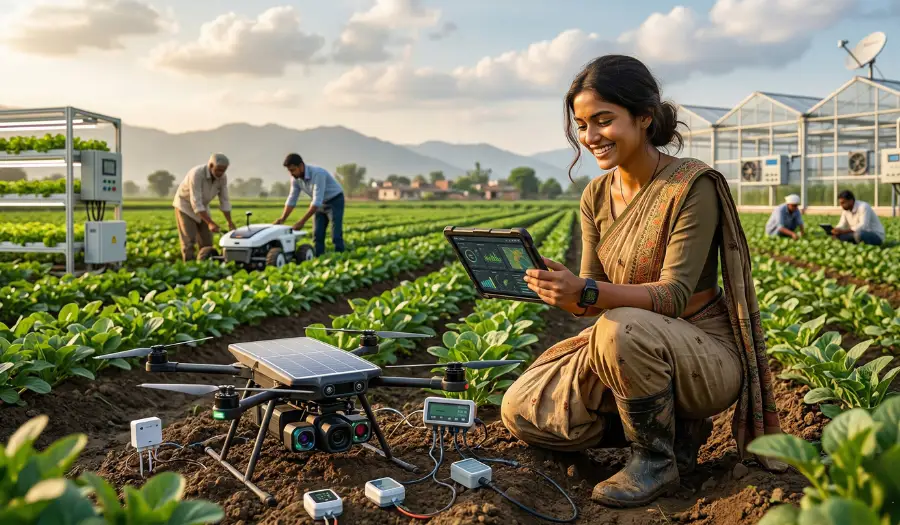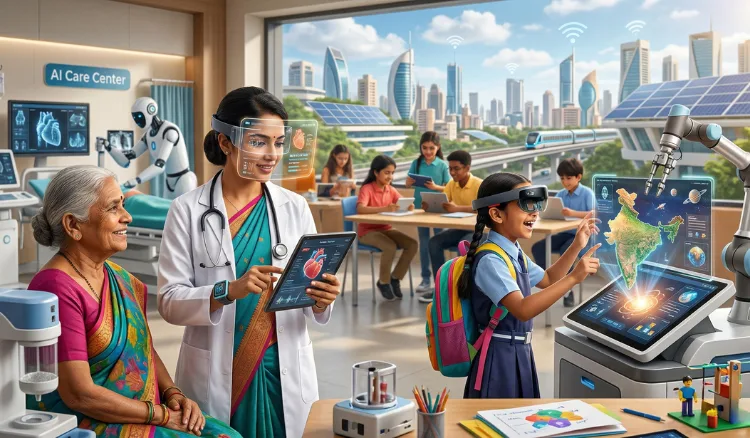
A few years ago, it was hard to picture a world built around artificial intelligence. Now it's everywherefrom the apps cheering you on to drink more water to the cars rolling past you without drivers. 2026? It's on another level. If you've ever wondered what real artificial intelligence looks like, here's a peek at what's wild, what's useful, and what's coming next.
What Counts as Artificial Intelligence in 2026?
Artificial intelligence isn't just robots that talk or computers that play chess. In 2026, AI is any tech that can learn, solve problems, or make choicessometimes all at once. It pops up in things you might not even notice, like voice assistants, email spam filters, and health trackers.
- Real world AI examples include customer support bots that actually make sense.
- Speech-to-text that sounds shockingly human.
- Traffic signals adjusting to jams in real time.
Why does it matter? Because AI is turning stuff that used to be science fiction into everyday life. It's smarter now, less buggy, and showing up in places you'd never expect. But don't worry, killer robots aren't in this year's lineup.
Which Artificial Intelligence Examples 2026 Are Changing Daily Life?
Some artificial intelligence examples 2026 are so normal you might have missed their upgrades. Here are a few making the biggest waves:
1. Hyper-Personal Smart Helpers
Remember when your phone just autocorrected words? Now, AI-based helpers read your tone in texts, catch your mood swings, and suggest if you should wait before replying. They're like your best friend mixed with a personal assistant, but less judgmental.
- Set up meeting times that fit everyone's schedulewith zero back and forth.
- Draft emails that match how you actually talk.
- Help avoid cringey late-night texts.
The catch? Sometimes these tools get it wrong (yep, an AI once told me to "cheer up" right after I'd landed a big win). Just double-check before you hit send.
2. Self-Driving Everything
You've seen self-driving cars, but in 2026, delivery bots and cleaning machines run laps around neighborhoods and office halls. They dodge obstacles, talk with other machines, and even recharge themselves.
- Grocery delivery bots (they won't judge your snack orders).
- Ride-share cars without driversschedule one like you would a pizza.
- Robot cleaners that learn your pet's weird habits, so they don't suck up toys.
Why does it matter? Less time cleaning or waiting and more time for, well, living. Trouble happens when bots glitch or get confused by odd stuff (squirrels are still a problem).
3. Instant Language Translation
You've dreamed of understanding every conversation. Now, 2026 gives us earbud translatorsyou chat in English, they're hearing Mandarin. Road trips in new countries? No sweat.
- AI-powered subtitles in video calls look almost perfect.
- Your phone translates menus before you even snap a pic.
- International team projects feel way less awkward.
Of course, sometimes jokes still get lost in translation. But it's way better than pantomimes or guessing at mystery sauces.
What Are the Coolest AI Use Cases 2026 No One Talks About?
Not every artificial intelligence example hits the news. Some help behind the scenes, quietly making life easier.
- Health apps spot early warning signs of illness by watching for tiny changes in your routine (like skipping steps or sleep patterns shifting).
- AI artists can paint a picture from what you describegreat for people who say, "I can't even draw a stick figure."
- Smart kitchens predict who'll show up for dinner, plan meals, and handle last-minute swaps (no more surprise guests eating the last slice).
Sometimes, these future AI applications still struggle with, well, human weirdnesslike when you suddenly crave waffles at midnight. But overall, they're making everyday stuff smoother.
How Are Businesses Using Future AI Applications?
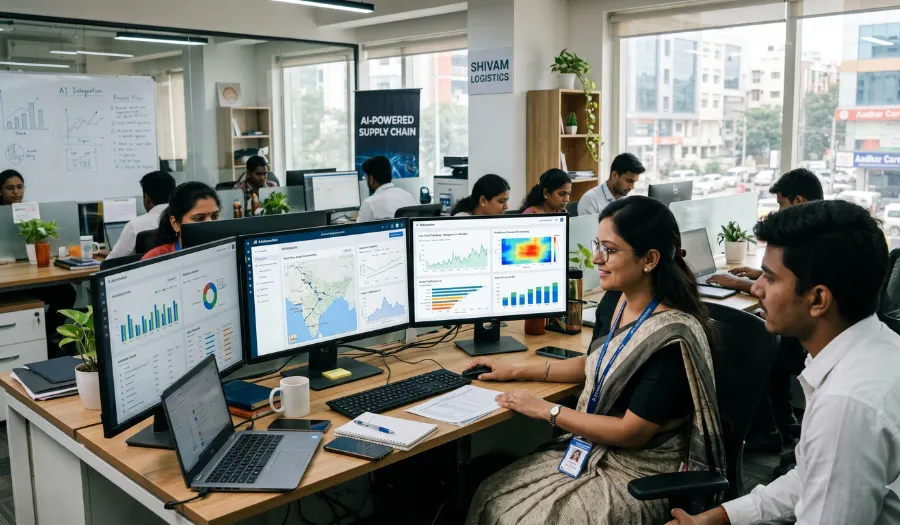
Let's talk about the money side. Businesses aren't just using AI for showthey're fixing real problems.
- Retailers count foot traffic and tweak displays when real people turn their heads.
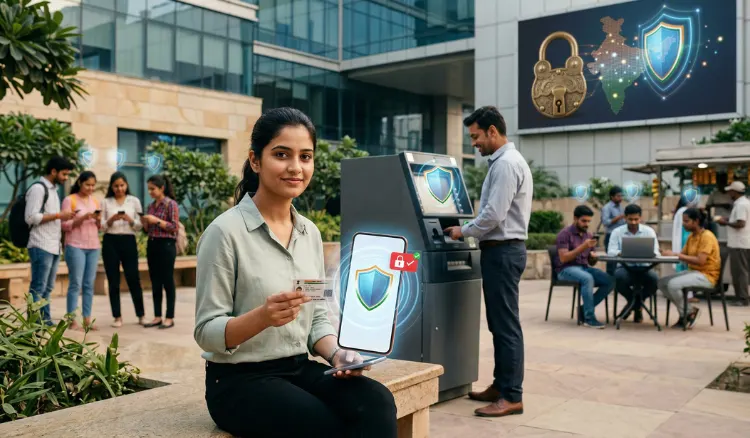
- Banks use AI to spot shady transactions before you even notice (yep, it blocked my card in a new cityannoying but safe).
- Factories run smoother with AI that catches broken parts before anything goes really wrong.
The upside is less waste and fewer mistakes. The downside? Sometimes, the AI plays it too safe and blocks stuff it shouldn't. So, yeah, you still might need to talk to an actual person now and then.
What Are the Latest Artificial Intelligence Trends in 2026?
Wondering where things go from here? AI trends in 2026 are shaping up fast:
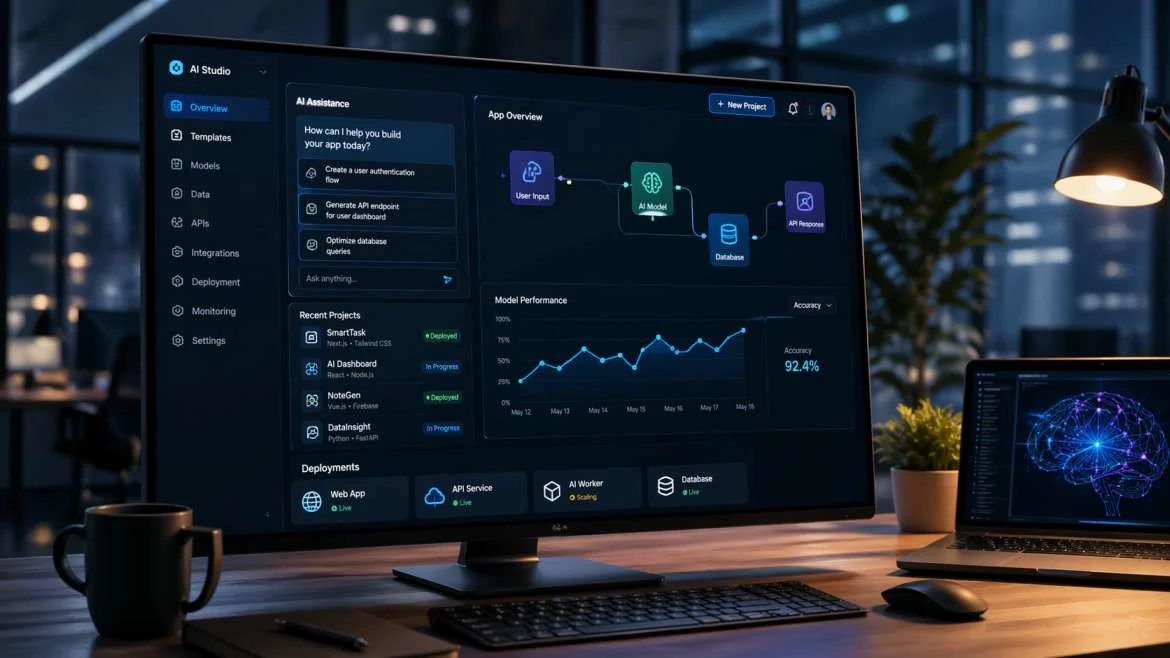
- Generative AI isn't just for weird artit now writes, codes, and even creates original videos people actually want to watch.
- AI in medicine means custom treatment plans adjusted to your routines, not just your symptoms.
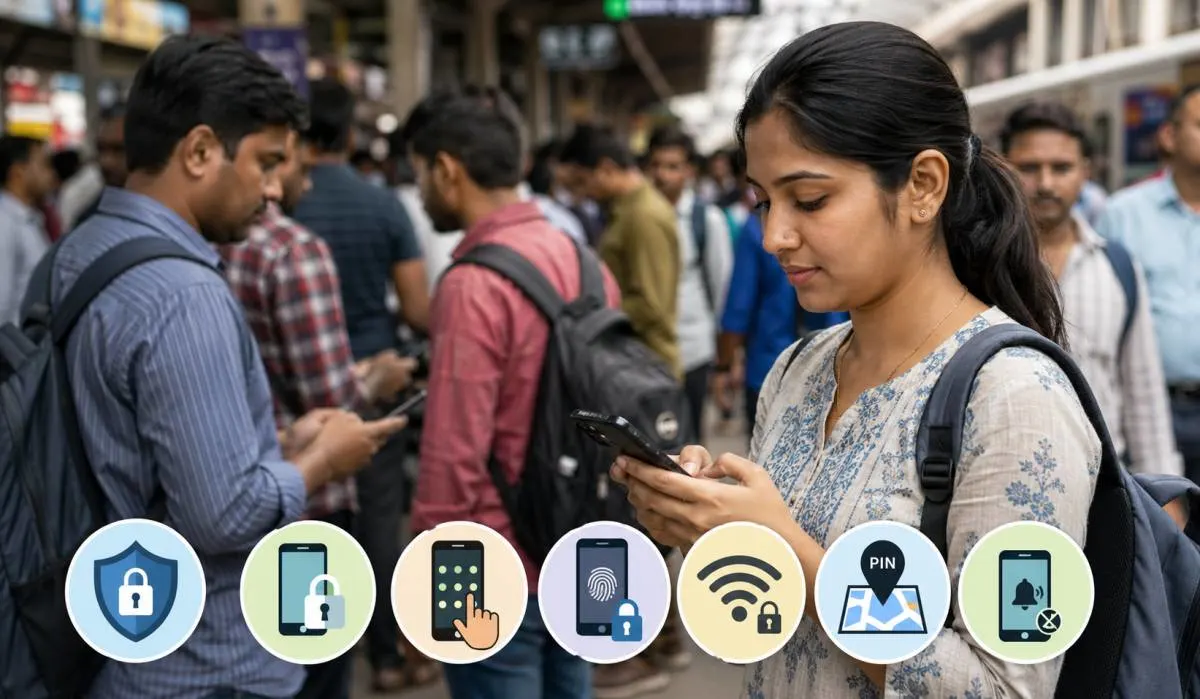
- Data privacy is a hot topicAI tries to protect your info, but sometimes it's a little too smart or too nosy.
What could go wrong? Too much reliance on AI could mean missing out on simple fixes or not noticing when something's off. Treat these tools as helpers, not magic wands.
How Do You Use AI Without Going Overboard?
It's tempting to throw AI at every problem. But heres what works:
- Start smalltry one AI tool at a time, see if it helps, then decide to keep or ditch it.
- Stick with tools that save real time (not ones that just look cool).
- Check privacy settings. Don't overshare by accident.
If something feels off or doesn't save you effort, skip it. Even the best tech isn't perfect for everyone.
FAQs About Artificial Intelligence Examples 2026
- What are some new AI use cases for 2026?
AI is making life easier in ways most of us never guessed. From smart kitchen helpers that plan meals to health apps spotting changes in energy or sleep, it's everywhere. The most exciting uses are ones that work quietly in the background, saving you time and catching problems early. - How safe is it to use everyday AI tools?
Mostly safeespecially when you use well-known brands or check privacy settings. But like any new tech, pay attention if something feels weird or wrong. Don't share details you wouldn't give to a stranger. If in doubt, skip or ask someone you trust. - Which industries use AI the most in 2026?
Retail, healthcare, finance, transportation, and entertainment lead the way. Stores have smarter displays, doctors have better tools, and self-driving services run more than ever. If you use a phone, stream shows, or buy groceries, you're probably using AI daily. - What are the biggest challenges with future AI applications?
The hardest parts? Sometimes AI doesn't get humanslike sarcasm, private jokes, or odd habits. Data privacy is a big worry, too. And yes, AI sometimes makes mistakes or blocks things it shouldn't. That's why people still need to double-check work now and then. - Will AI replace my job soon?
Not for most people. AI helps with boring, repetitive tasks but still needs humans for creativity, complex fixes, and real conversations. The best move is to learn how to use AI as a helperso you stay ahead as tech keeps changing. - How do I keep up with artificial intelligence trends?
The simplest way? Try new tools here and there, follow tech news, or ask people what works for them. Most trends build on stuff you already use, so experiment a little and see what makes your life easier, not harder.
Long story short: artificial intelligence examples 2026 aren't just hypethey're here to help, as long as you stayaware and pick what's right for you. Start small, experiment, and don't forget to enjoy the perks. If it saves time, it's probably worth a shot.