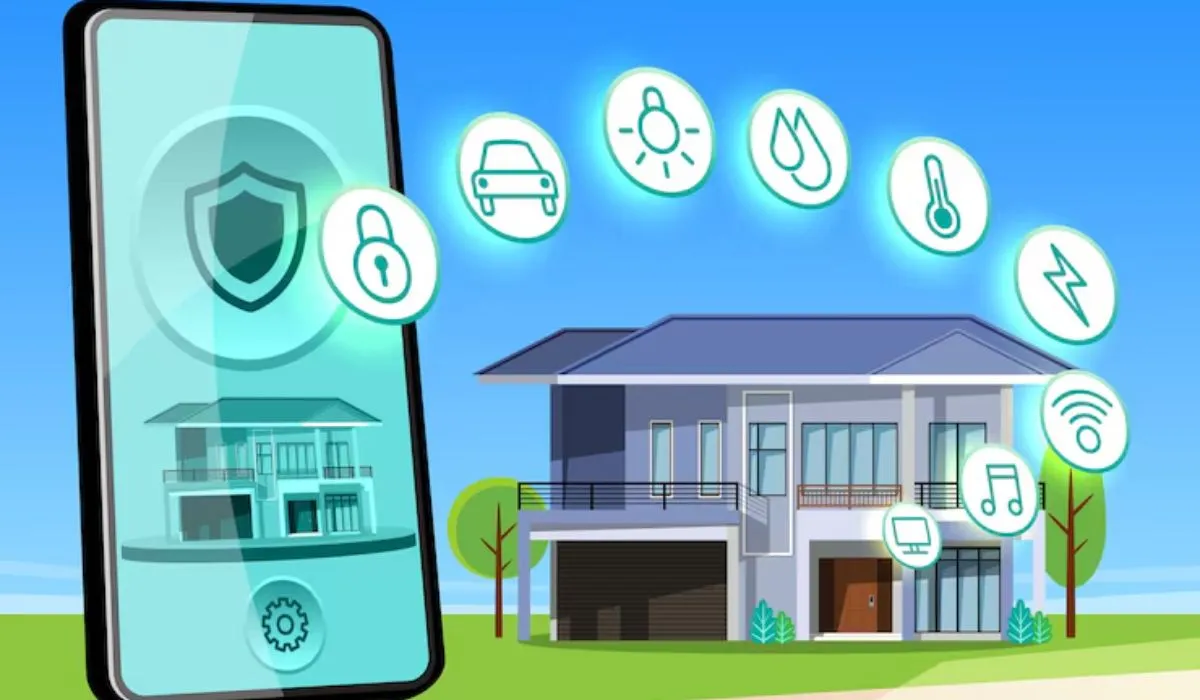
Imagine a home that listens to you. A home that helps you with small tasks. It can turn off lights you forgot about. It can make the temperature just right before you wake up. This is not magic. This is smart home technology.
This guide explains this exciting tech in simple words. It is for everyone. You do not need to be a computer expert. Let us explore how a smart home ecosystem can make life easier, safer, and more fun.
What Is Smart Home Technology?
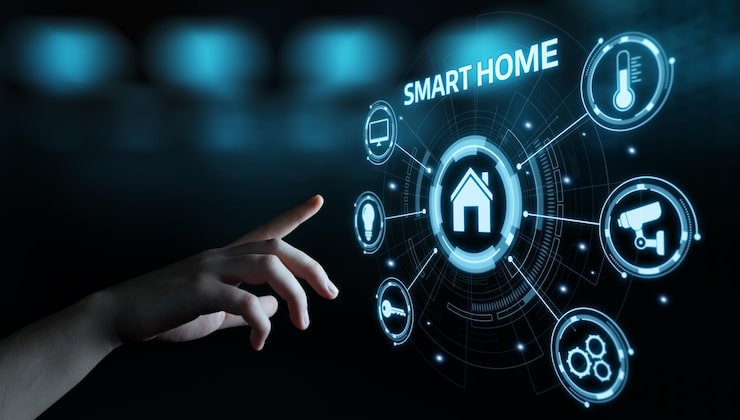
Smart home technology is a network of devices in your house. These devices connect to the internet. They can talk to each other and to you. You can control them from a phone, with your voice, or they can work automatically.
Think of it like a team of helpful robots. Each has a special job. One manages lights. Another watches the front door. They all work together to help you.
The main goal is to add convenience and efficiency to your daily routine. It gives you remote control of your home from anywhere. It also helps your home use less energy, saving you money.
Also read :- AI in Healthcare: Hyderabad’s Smart Hospitals Lead the Way
The Heart of the System: Hubs and Connectivity
How do all these devices talk? They use a central hub or a smart home platform. This is the "brain" of the operation.
Popular platforms include Amazon Alexa, Google Assistant, and Apple HomeKit. You can often speak to these systems. Say, "Hey Google, turn on the kitchen light." And it happens!
Devices connect using wireless signals like Wi-Fi, Bluetooth, or Zigbee and Z-Wave protocols. These are special languages for smart devices. They help things run smoothly without clogging your home Wi-Fi.
Everyday Benefits of a Connected Home
Why do people love this tech? The benefits are clear and simple.
-
Ultimate Convenience: Forgot to turn off the bedroom lamp? No problem. Use your phone to switch it off from the couch. Unlock the door for a family member while you are at the store.
-
Enhanced Home Security: Feel safer with smart locks and doorbells. See who is at the door from your phone. Get alerts if a motion sensor is triggered. It is a powerful home security and monitoring system.
-
Energy Savings: A smart thermostat learns your schedule. It adjusts the temperature when you are away. Smart plugs can turn off energy-hungry devices automatically. This is a big step in managing home energy use.
-
Peace of Mind: Check on your pets with a smart camera while you are at work. Get a warning if a water leak sensor detects a problem. It lets you relax, knowing your home is watched.
Starting Simple: Easy First Steps
You do not need to build a robot house overnight. Start small with one or two devices.
-
A Smart Speaker: A device like an Amazon Echo or Google Nest Mini is a great start. It lets you play music, ask questions, and control other devices with your voice.
-
Smart Lighting: Replace a regular light bulb with a smart bulb. You can now turn it on/off with your phone, set schedules, or change its color.
-
A Smart Plug: This is the easiest upgrade. Plug any device (like a fan or lamp) into it. Now you can control that device with your phone. It is perfect for automating household tasks.
These small steps help you learn. They show you how the technology works without being overwhelming.
Building Your Ecosystem: Popular Device Categories
As you get comfortable, you can add more devices. Here are common types that people love.
Smart Lighting Solutions
Go beyond the single bulb. You can get smart light switches for whole rooms. Use motion-activated lights for hallways or closets. Set lights to turn on at sunset for security and comfort.
Climate Control with Smart Thermostats
Devices like the Nest or Ecobee learn your habits. They create a schedule that saves energy. You can always adjust it from your phone. They are a key part of an energy-efficient home automation system.
Security and Monitoring Devices
This category grows fast. Smart security cameras offer live feeds and recordings. A video doorbell lets you see and talk to visitors. Window and door sensors tell you if something opens. It is a full DIY home security setup.
Smart Kitchen and Home Appliances
Yes, your kitchen can be smart too! Wi-Fi enabled coffee makers can brew as your alarm goes off. Smart refrigerators can help you make a shopping list. Robot vacuums clean your floors on their own schedule.
Making Devices Work Together: Automation
The real magic happens with automation. This is when you set rules for your devices. They then work together without you doing anything.
These rules are sometimes called "routines" or "scenes." Here are simple examples:
-
"Good Morning" Routine: At 7 AM, the bedroom lights turn on softly, the thermostat warms up, and the coffee maker starts.
-
"Away for the Day" Scene: With one tap, all lights turn off, the thermostat sets to an energy-saving mode, and security cameras turn on.
-
"Movie Night" Command: Say, "Start movie night," and the living room lights dim, the TV turns on, and the sound system adjusts.
This voice-controlled home automation and scheduling is where you see the true power of a connected home.
Important Things to Consider: Privacy and Safety
With great technology comes great responsibility. It is important to think about safety.
-
Protect Your Network: Use a strong, unique password for your home Wi-Fi. This is your front door for digital security.
-
Device Security: Always change the default passwords on your smart devices. Keep their software updated, just like on your phone.
-
Data Privacy: Understand what data your devices collect. Check their privacy settings. Mute microphones on cameras or speakers when you want extra privacy.
Being informed helps you enjoy the benefits while staying safe. As smart home expert David Mead says, "The goal of a smart home should be to simplify your life, not complicate your security. Always prioritize devices from reputable brands that offer regular security updates."
The Future of Smart Homes
This technology keeps getting better. We are moving toward seamless smart home integration. Future homes will predict your needs more accurately.
Think of a home that knows you are sick and adjusts the temperature and lights to help you rest. Or an oven that knows exactly how to cook the food you put inside.
The future is about a home that is not just connected, but thoughtful and helpful.
Frequently Asked Questions
Q: Is smart home technology very expensive?
A: Not anymore! You can start for under $50 with a smart plug or bulb. You can build your system slowly over time, fitting it to your budget.
Q: Do I need fast internet for a smart home?
A: A reliable internet connection is important. You do not need the fastest speed, but a stable Wi-Fi signal throughout your house is key. Mesh Wi-Fi systems can help with larger homes.
Q: Will these devices work if my internet goes down?
A: It depends. Basic schedules set on a device itself (like a smart bulb schedule) might still work. But remote control and voice commands usually need the internet. Always check the features of the devices you buy.
Q: Are smart homes difficult to set up?
A: Most modern devices are designed for easy DIY smart home installation. You usually just download an app, plug in the device, and follow simple steps. If you can use a smartphone, you can likely set it up.
Q: Can I mix brands, like an Amazon device with a Google one?
A: Often, yes. Many devices work with multiple platforms (like Alexa and Google). But it is easier to choose devices that work well with the main hub or voice assistant you prefer. Always check for compatibility.
Q: Is this technology just a lazy trend?
A: It is more about efficiency and accessibility. It helps busy families save time. It assists older adults or people with disabilities by giving them easy control over their environment. It is a tool for a simpler, more secure life.
Embracing smart home technology is a journey. Start small, learn as you go, and build a home that works for you. Welcome to the future of living—it is friendly, helpful, and waiting for you to explore.