Imagine a world where cars drive themselves. Picture a helpful robot that answers your homework questions. Think about a computer that can create a painting or a song. This isn't magic. This is the power of AI innovations.
AI innovations are all about creating intelligent machines. These machines can learn, solve problems, and make decisions. They are changing everything around us in exciting ways.
What Are AI Innovations?
At its heart, artificial intelligence is about making machines smart. "Smart" means they can do things that normally need human thought. This includes learning from past experiences, understanding language, and recognizing patterns.
Think of it like teaching a dog new tricks. But instead of a dog, it's a computer program. We give it information and rules. Then, it learns how to do a task on its own. The more it practices, the better it gets. This process is called machine learning, and it's a core part of modern AI technology.
Also read:- AI-Powered Smart Traffic Signals Begin Trials in Udaipur City
How Do AI Innovations Learn? The Magic of Machine Learning
The engine behind most AI breakthroughs is machine learning. Let's break down this complex idea.
Imagine you are learning to tell the difference between cats and dogs. You look at pictures. You notice cats have sharper ears and different noses. Soon, you get really good at it.
Machine learning algorithms do the same thing. We show a computer thousands of pictures labeled "cat" or "dog." The software looks for patterns. It might find that certain shapes and colors often mean "cat." After lots of practice, it can see a new picture and say, "That's a dog!"
This ability is called predictive analytics. It allows smart technology to guess what might happen next. This helps in forecasting weather, suggesting your next favorite show, or even detecting suspicious activity online.
Neural Networks: The Brain-Like System
Some of the most advanced AI innovations use something called a neural network. This is a computer system designed to work like a human brain.
Our brains have neurons connected in a huge network. They send signals to each other to help us think. A digital neural network is made of tiny programs that act like neurons. They are connected and work together to solve a problem.
For example, a neural network can look at an X-ray image. It can connect tiny dots and patterns that a human doctor might miss. It then makes a prediction about what it sees. This is a huge leap in automated intelligence for healthcare.
Real-World AI Innovations You Can See Today
AI advancements aren't just for scientists in labs. They are part of our daily lives. Let's look at some examples.
Your Helpful Assistants at Home
"Hey Siri, what's the weather today?" "Alexa, play my favorite song." These voice-activated assistants are powered by AI. They use natural language processing to understand your words. Then, they find the best answer or action. This is AI-powered automation making life more convenient.
The Recommendation Engines That Know You
Have you ever wondered how Netflix knows you might like a certain cartoon? Or how YouTube suggests the perfect video? This is intelligent automation at work.
These systems watch what you choose. They compare it to what millions of other people like. Then, they make smart guesses about your preferences. This is a key part of cognitive computing—systems that try to mimic human thought processes to help us.
Smarter, Safer Travel
AI innovations are making travel safer and easier. Many new cars have driver assistance systems. They can sense other cars, read speed limit signs, and even steer automatically on highways. This is a step toward autonomous vehicles.
Airlines use AI to plan more efficient flight paths. Maps apps use real-time AI data analysis to find the quickest route and avoid traffic jams.
AI Innovations Solving Big Problems
AI development is helping tackle some of the world's biggest challenges.
In Healthcare: A Super Helper for Doctors
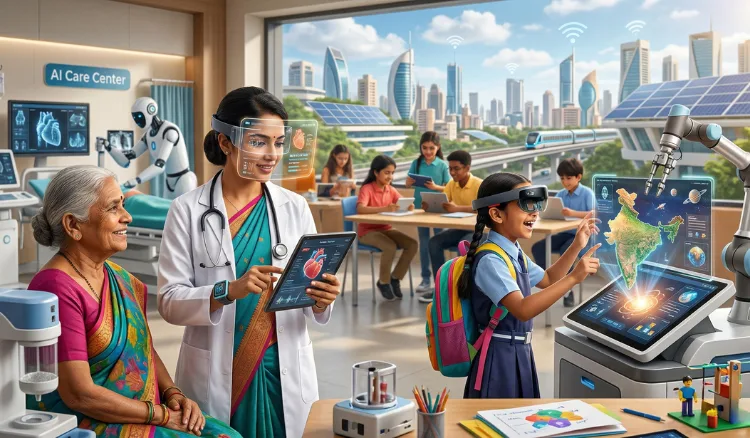
AI tools are amazing helpers for doctors. They can scan medical images very quickly. They look for signs of disease, like a tiny spot on a lung. They help doctors find problems early. This automation in healthcare saves precious time and can save lives.
Researchers also use AI to discover new medicines. They can test millions of chemical combinations on a computer first. This is much faster than testing in a lab. It speeds up the creation of new drugs.
Protecting Our Planet
AI is a powerful tool for protecting the environment. Smart algorithms can track animal populations from satellite pictures. They can analyze data from sensors in the ocean to monitor pollution.
AI in climate science models can predict future climate changes. They help scientists understand how our planet is changing. This helps leaders make better decisions to protect Earth.
Creating New Art and Stories
One of the most surprising AI breakthroughs is in creativity. Generative AI can write poems, compose music, and create digital art. You type in an idea, like "a blue dog flying through space," and the AI generates an image.
This doesn't replace human artists. Instead, it gives them a new, powerful tool. It's like a super-powered paintbrush for their imagination.
Looking Ahead: The Future of AI Innovations
The journey of AI technology is just beginning. The future holds incredible possibilities.
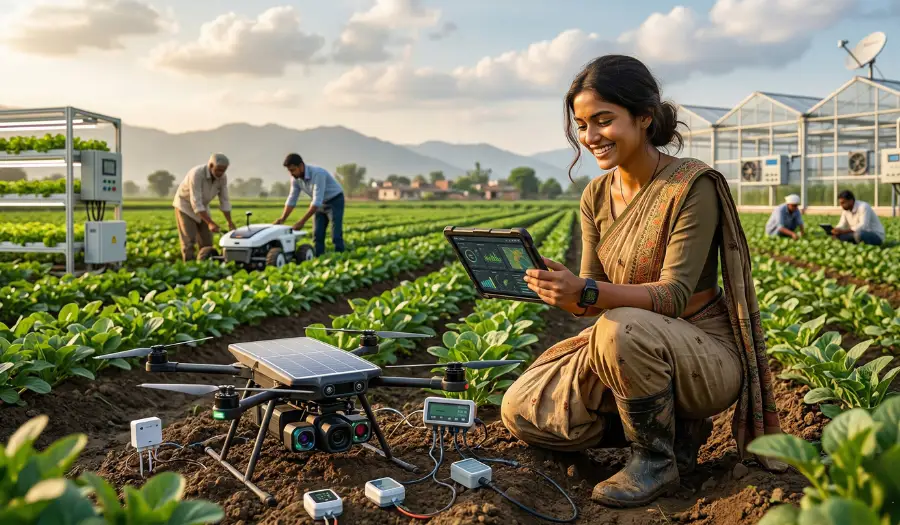
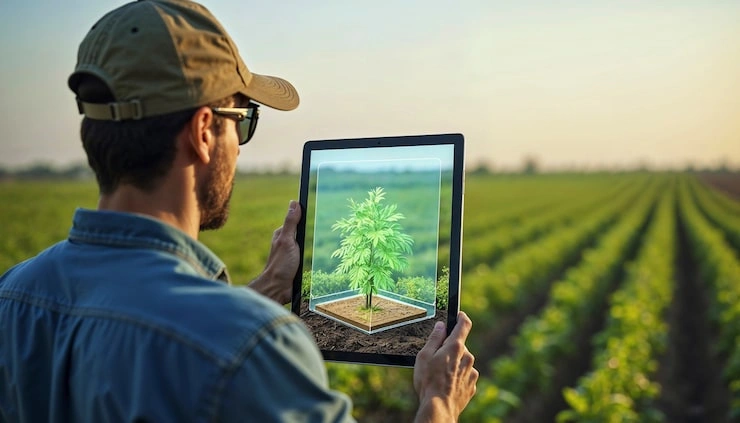
We will see more integrated AI solutions in our homes and cities. Imagine a city where traffic lights talk to each other to prevent traffic jams. Or a farm where AI-driven robots carefully pick only the ripe strawberries.
Explainable AI is a growing focus. This means creating AI that can explain why it made a decision. This makes AI more transparent and trustworthy.
The goal of future AI advancements is to be helpful partners. They will handle boring, repetitive tasks. This will free up people to do what they do best: imagine, create, and connect with each other.
Expert Opinions on the AI Journey
Leaders in the field remind us that AI is a tool, shaped by human goals.
-
Dr. Fei-Fei Li, a pioneer in AI research, says: "AI is made by people, for people. Its purpose is to enhance human ability, not replace it. We must guide its development with wisdom and care."
-
Sundar Pichai, CEO of Alphabet, notes: "AI is one of the most profound technologies we are working on. It will play a role in solving problems from healthcare to climate change, but it needs to be developed responsibly."
Frequently Asked Questions About AI Innovations
Q: Will AI take over all our jobs?
A: AI will change many jobs, but it is more likely to change the tasks we do, not eliminate all jobs. It will handle repetitive data work. This will allow people to focus more on creative, strategic, and personal tasks that require a human touch.
Q: Is AI smart like a human?
A: Not exactly. Today's AI is sometimes called "narrow AI." It is super smart at one specific task, like playing chess or translating languages. It doesn't understand the world like a human does. It doesn't have feelings or consciousness. This general human-like intelligence, called "Artificial General Intelligence," is still a concept for the far future.
Q: How can I learn more about AI?
A: It's a great field to explore! You can start with fun online games and tutorials that teach basic coding and logic. Many websites offer free, kid-friendly courses on programming and how machines learn. Libraries also have fantastic books on the topic.
Q: Is the AI in movies real?
A: Movies often show AI as robots with human-like feelings and thoughts. This makes for great stories! But real-world AI innovations are different. They are powerful software tools that process information and find patterns. They don't have feelings or desires.
Conclusion
The world of AI innovations is exciting and full of potential. From helping doctors to creating art, intelligent systems are becoming our partners in building a better future.
The key is to remember that these are tools created by people. They are here to help us solve problems, unlock creativity, and understand our world in new ways. By learning about them today, we can all be part of shaping how this amazing technology evolution will help everyone tomorrow.