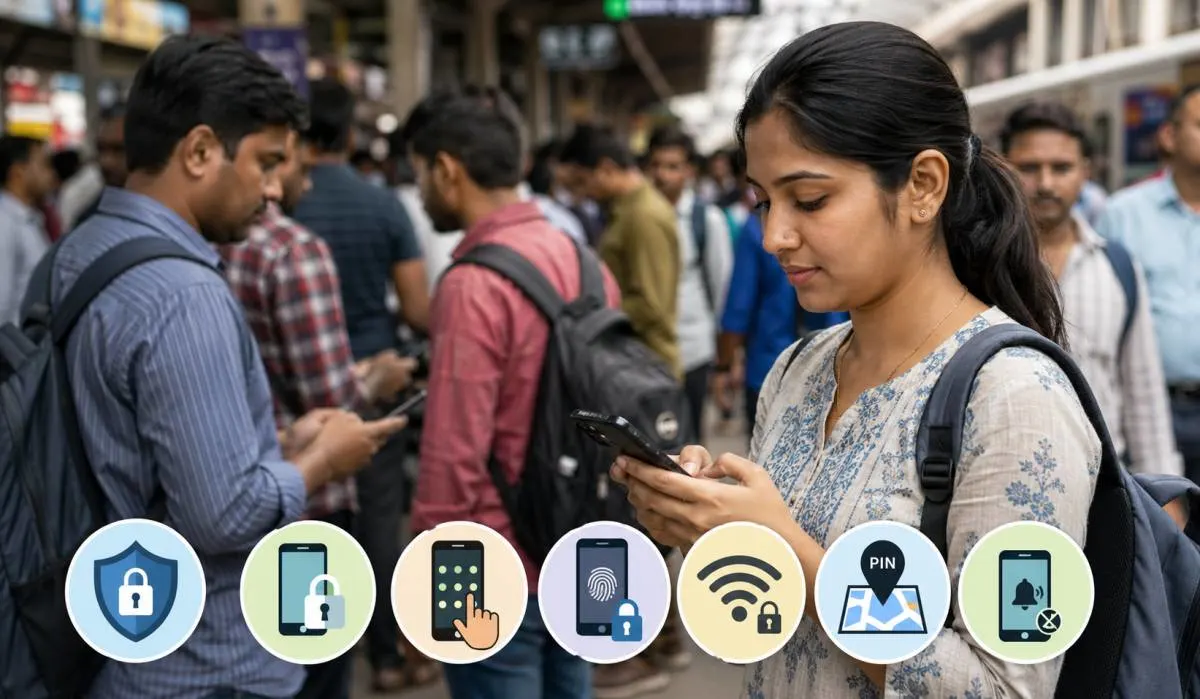
Lets be honestcybersecurity feels overwhelming. One minute youre reading about a data breach on the news, the next youre panicking over your Netflix password. Whether youre running a tiny business or keeping your family safe online, its a lot to keep track of. But heres the thing: there are simple cybersecurity best practices anyone can follow, and they make a real difference.
Why Cybersecurity Is Everyones Problem Now
Cyber crooks arent just after big companies. Theyll scam anyoneyour local bakery, the school librarian, you. If you use internet banking, shop online, or have smart gadgets at home, your info is valuable. Ignoring cybersecurity doesnt mean the problem disappears; it gives thieves a bigger window to sneak in. The latest cybersecurity trends show attacks are getting sneakier, but protecting yourself doesn't have to be complicated.
What Is a Cybersecurity Report and Why Should You Care?
Ever see those giant yearly reports and think, "Thats not for me, Im not a tech CEO"? Dont skip them. A good cybersecurity report breaks down how hackers are stealing info right now, and whats working to stop them. Its like reading spoilers for a movie, but the movie is about your money and privacy. If you want practical cybersecurity tips, these reports will show what tricks are hitting regular people and whats trending worldwide.
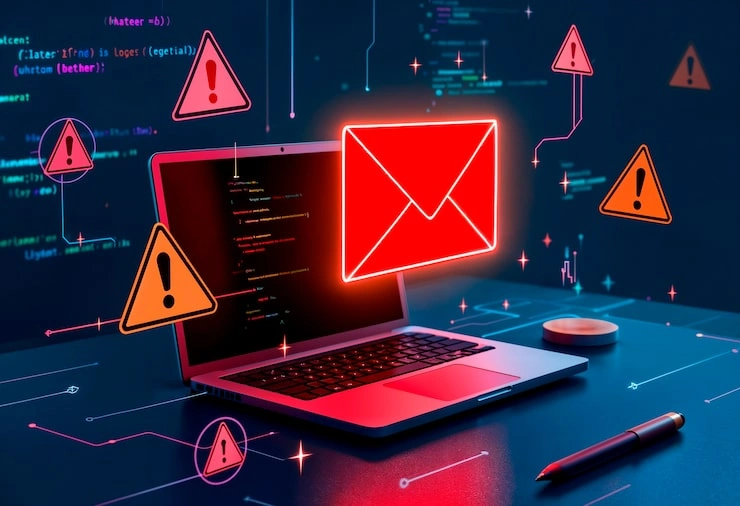
- Most attacks still start with a simple phishing email (those fake messages asking for your info)
- Small businesses are targets, not just big ones
- Updates and patches defeat more attacks than fancy gear
Which Cybersecurity Strategies Actually Work?
Theres a lot of noise out there, so lets keep it simple. These are the basicsdo them, and youll block most attacks before they even start.
- Use strong (and unique) passwords: Stop reusing the same password everywhere. Password managers helpseriously, get one.
- Turn on two-factor authentication (2FA): Even if someone gets your password, this slows them down.
- Dont click sketchy links or download weird files: If you didnt ask for it, ignore it. Hackers love fake invoices and "urgent requests".
- Update your stuff: Phones, laptops, routersif it connects to the internet, keep it patched.
- Back up your files: Store important things somewhere safe in case your device gets locked or wiped.
- Train your people: If you run a business, teach your team not to fall for scams. Make it a habit, not a lecture.
Will these stop every attack? No. But they work for most. Over-thinking things is where many people get stuck and do nothing. Start simple, then get fancier if you must.
What Mistakes Trip Most People Up?
No shameeveryone misses stuff, but these are the most common ways people crack their own security:
- They ignore updates because "it takes too long"meanwhile, hackers use old bugs
- They think theyre too small to matterhackers use bots to find anyone, not just big fish
- They trust "official-looking" emails before double-checkingthey forget scammers can fake anything
- They skip backupswhen ransomware hits, theres no way back unless you start over
- They reuse passwords across everythinghackers love this shortcut
So, Whats the One Thing You Should Do Today?
If you do nothing else after reading this, choose one thing to fix. Make your passwords stronger, turn on 2FA, back up your photosjust start. You dont need to become a cybersecurity expert. But if you pick one habit and stick with it, youll already be ahead of most people (and a few businesses, too).
How to Make Cybersecurity Best Practices... a Habit
Its like brushing your teeth. Annoying at first, but you dont notice after a while and youre grateful when things go sideways. The latest cybersecurity trends show attacks are getting more creative, but sticking to the basics works. If you mess up, learn and adjust. If you mess up again, thats normal, too. The point is moving forward, not being perfect.
FAQ: Real-World Cybersecurity Questions Answered
- What are easy cybersecurity tips I should do right now?
Start by updating your devices, turning on two-factor authentication, and using different passwords for each account. These three moves block most common attacks. If you can, use a password manager to keep track of everything. - How often should I check for new cybersecurity updates?
Set your devices to update automatically so you dont have to remember. But if you cant, check at least once a week for updates in your phone, computer, and apps. Updates fix security holes hackers use to break in. - Is my small business really a target for hackers?
Yes, small businesses are regular targets now. Hackers use automated tools to scan everyone, not just big firms. If you handle any customer info or payments, put basic cybersecurity strategies in place to avoid big headaches later. - How do I spot the latest cybersecurity trends or scams?
Stay alert for unusual requests, especially those asking for personal info or money fast. Watch out for emails pretending to be from banks or your boss. Cybersecurity reports summarize the latest scams and what to look for each year. - Whats the best way to recover after a hack?
First, change your passwords and enable two-factor authentication everywhere. Restore your data from backups if you have them. If youre a business, let your customers know what happened. The sooner you act, the less damage youll face. - Do I need fancy software to follow cybersecurity best practices?
No, the basics work for most people. Use your devices built-in security features, keep stuff updated, and be careful online. If you run a business, consider extra tools based on your needs, but dont let fancy gadgets distract from good habits.
Pick one thing from this list and get started. You dont need to know it all. Small steps beat waiting for the "perfect" security setup. The best protection is the one youll actually use.