Motorcycle ABS systems prevent wheel lock-up during hard braking. This technology pumps the brakes faster than any human can. It keeps the bike stable on slippery roads. For Indian riders, ABS cuts crash risk by nearly 31%. While it adds to the bike's ABS brake system price in India, the safety gain is worth the cost. Modern ABS system bikes in India offer great value for money.
What Exactly Are Motorcycle ABS Systems?
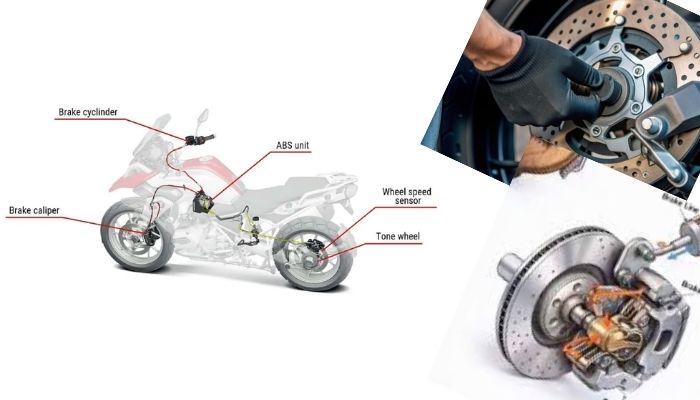
Modern motorcycle ABS systems operate as fast safety networks that keep your wheels rolling during intense stopping situations. When managing a fast two-wheeled vehicle, keeping rubber traction against the ground is the only thing preventing a nasty fall. If either wheel stops turning while you carry high speed, your balance disappears immediately, sending the machine sliding across concrete.
The primary duty of this specialized anti-lock technology is to track your tires and ensure they never freeze up when you throw down the anchors. The setup performs just like an elite track racer who can pump a brake lever much faster than any normal human brain can think. This digital vigilance shields your ride when weather conditions ruin the pavement or when unexpected obstacles block your path.
You may also read :- Royal Enfield Guerrilla 450 Review: The New Roadster King?
The Important Role of the Motorcycle ABS Module
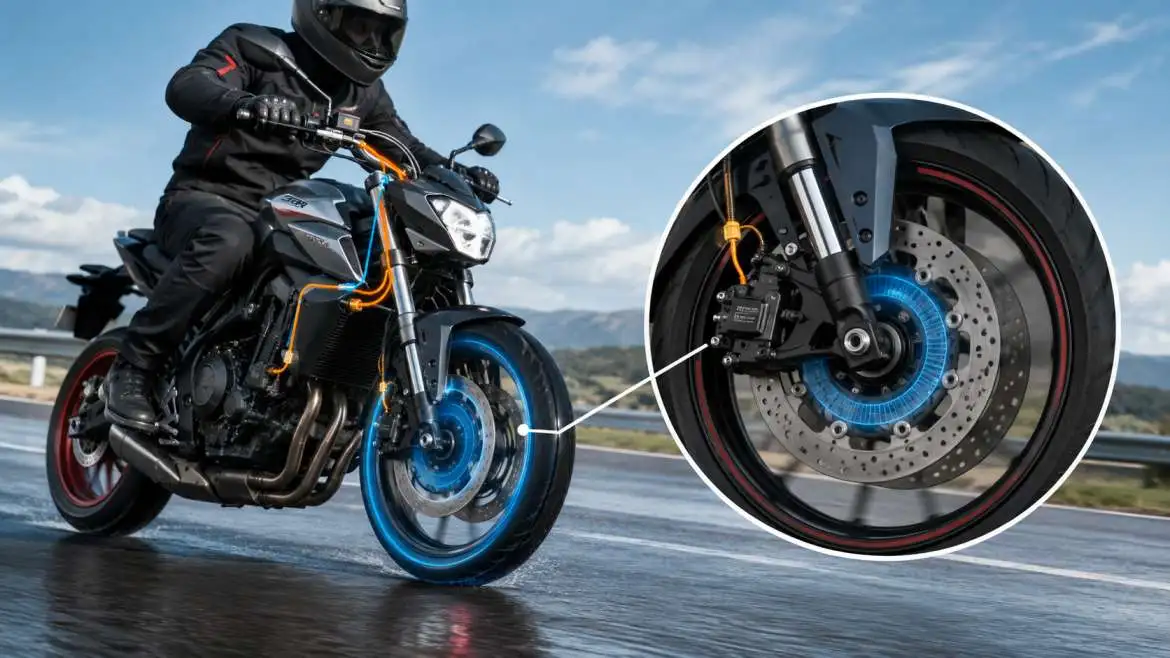
The physical brain driving this entire high-speed protection layout is the Motorcycle ABS module, a heavy component combining electronic circuitry and fluid valves. This small metal housing reads live data streams generated by magnetic rings spinning right alongside your wheel hubs. If this controller detects that one tire drops its rotation speed significantly faster than the other, it spots a skid.
Deep inside that specialized Motorcycle ABS module, computer-controlled valves switch open and shut to drop hydraulic pressure at the brake pads. It unclamps the spinning disc for a microsecond, lets the tire roll to catch real road grip, and hits the stopping force again. This automated feedback loop runs up to twenty distinct times over a single second without requiring any extra input from your hands.
Is ABS Necessary on a Motorcycle for Daily Riding?
Many folks hunting for a fresh ride ask a simple question: is ABS necessary on a motorcycle if you only plan to commute slowly? Safety data and million-mile highway veterans give a very clear answer, because human eyes cannot see black oil patches or spilled gravel around a blind corner. A rider can practice perfect stopping drills in dry, empty parking lots, but real panic on the street ruins muscle memory.
When terror hits your chest during a bad traffic close call, your hands naturally squeeze the levers with absolute maximum force. Without an anti-lock unit backing you up, that hard reflex locks the front brake instantly, twisting the bars and slamming you down. This digital watchman supplies an invisible safety net that triggers perfectly every single time you encounter a bad situation on the road.
Real World Benefits of Anti-Lock Technology
- It cuts down your total stopping distance dramatically on rain-soaked or oily city streets.
- It keeps your rear wheel glued down instead of lifting during extreme front-lever braking.
- It lets you steer wide around sudden turning cars while keeping your brakes pinned down hard.
- It gives fresh learners confidence to use their full stopping gear without fear of tumbling.
Popular ABS System Bikes in India
The domestic two-wheeler market has changed completely over recent years because national safety mandates now demand advanced braking loops on new machines. Now you can buy reliable ABS system bikes in India inside almost every price bracket, from tiny commuter models up to massive cruising bikes. This legal upgrade dropped severe crash statistics across major highway networks and crowded metropolitan streets.
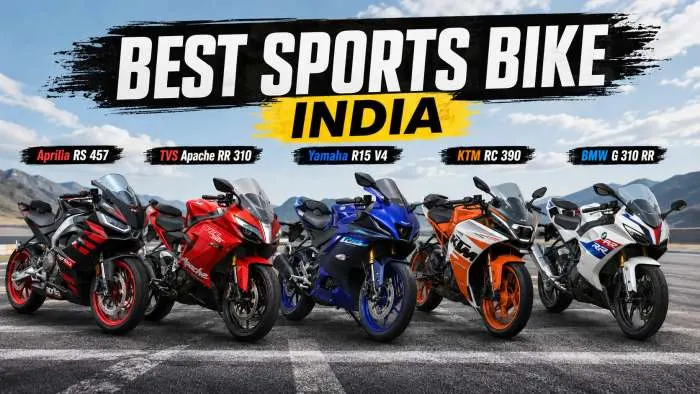
Smaller entry models around the 125cc to 150cc mark utilize a single-channel configuration, meaning the safety computer only watches the front wheel. Larger premium machines bring superior dual-channel setups that protect both your front tire and rear tire together for complete safety coverage. Brands like Bajaj, TVS, Honda, Hero, and Royal Enfield put this safety hardware on nearly their entire fleet now.
| Motorcycle Model | ABS Type Provided | Engine Capacity (cc) |
|---|---|---|
| TVS Apache RTR 160 4V | Dual-Channel ABS Available | 159.7 cc |
| Bajaj Pulsar NS200 | Dual-Channel ABS Standard | 199.5 cc |
| Royal Enfield Classic 350 | Dual-Channel ABS Available | 349.0 cc |
| KTM Duke 390 | Cornering Dual-Channel ABS | 398.7 cc |
Understanding the Bike ABS Brake System Price in India
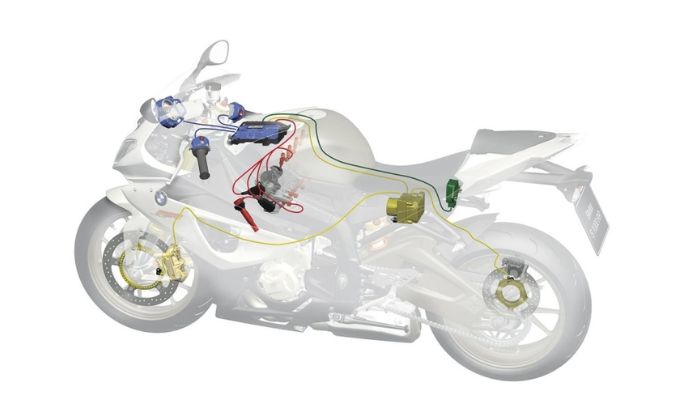
When looking through the showroom floor at a new machine, the factory Bike ABS brake system price in India adds a small bump to the sticker. For an entry-level single-channel setup, expect to pay roughly 9000 rupees to twelve thousand rupees over a basic non-ABS model. This financial difference looks completely trivial when weighed against the massive bills stemming from hospital stays or replacing broken bike forks.
Upgrading to a thorough dual-channel unit on a larger machine pushes that extra investment up by fifteen thousand to twenty-two thousand rupees. That price variance covers the secondary rear wheel speed ring, more electronic plumbing, and a faster computing processor inside the main module. Experienced highway riders look at this extra cash as an investment that pays for itself completely during its very first emergency stop.
Disadvantages of ABS on Motorcycles
Even though this computing system prevents thousands of daily injuries, you must evaluate the minor Disadvantages of ABS on motorcycles too. The most obvious problem surfaceswhen you guide your tires onto loose off-road paths containing deep mud, soft sand, or rolling gravel stones. On raw dirt trails, a locked rear wheel helps you slow down because it plows a small trench into the earth.
Because the wheel sensor tries to keep things rolling on loose rocks, it constantly cuts your brake pressure, pushing your stopping distance way back. This trick environment is why dual-sport and adventure bikes carry a physical button to disconnect the rear wheel safety line. Beyond that specific issue, the extra computer parts add minimal weight to the chassis and demand specialized dealership tools if a circuit fails.
Pro Rider Warning: Never pump an anti-lock brake lever manually like you would on an old vintage car setup. Hold a steady, heavy grip on the controls and let the fast microchip handle the pumping action for you.
How to Maintain Your Anti-Lock Brakes Properly?
Keeping your Motorcycle ABS systems working cleanly involves regular garage checkups just like swapping out your motor oil or adjusting your drive chain. Your primary maintenance job centers on changing your synthetic brake fluid every two years because contaminated fluid ruins the internal computer valves. If grit particles or water droplets slip inside that hydraulic block, the unit might freeze up when you call for emergency stopping power.
You must also glance down at the slotted metal sensor rings bolted against your wheel centers when washing your machine. If these thin metal plates get bent by stray flying rocks or packed with heavy clay, the pickup sensor cannot read wheel speed. Spray them down with a proper brake cleaning aerosol and use a clean rag to keep those vital data windows clear.
Simple Steps to Clean Your Wheel Sensors
- Set your motorcycle firmly on its center stand so you can rotate both tires with your hands.
- Spot the small black electronic pickup nozzle aimed directly at the slotted wheel ring.
- Apply a healthy dose of dedicated spray brake cleaner across the metal windows to lift grime.
- Clean out trapped road grease, river mud, or metal dust shavings using a dry microfiber cloth.
- Trace the thin black data wire heading up your fork to make sure it shows no deep cuts.
Comparing Single-Channel and Dual-Channel Setups
Picking between different styles of Motorcycle ABS systems comes down to what you can spend and where you ride your machine. A single-channel layout guards your front wheel exclusively, which works well since your front tire handles roughly seventy percent of your stopping weight. It prevents the front wheel from breaking loose, avoiding those immediate low-side tumbles that leave you zero time to react.
Even so, a dual-channel machine represents the safest option if your wallet allows the extra cost because it monitors both ends. If your rear tire strikes a patch of slick wet paint while you press down on the pedal, the dual-channel system keeps the back end tracking. This extra brain stop prevents your motorcycle from swinging sideways or tossing you over the high side of the seat.
Summarizing Your Best Braking Options
Putting your money toward Motorcycle ABS systems stands as the single smartest choice any everyday commuter can make for long-term safety. This silent safety guard sits quietly in the background, analyzing wheel speeds and preparing to step in when road conditions turn nasty. It acts as an instant bridge between professional racetrack braking talent and standard human panic reflexes during bad traffic moments.
No matter if you buy a lightweight commuter bike or a heavy highway cruiser, buy the trim level that carries this safety tech. The minor increase in your initial vehicle loan vanishes from your mind the first time storm clouds drop heavy rain onto the asphalt. Take care of your machine, strap your helmet down tight before every single ignition start, and let your anti-lock brakes defend your ride.
Frequently Asked Questions
Can I install an aftermarket ABS system on my old motorcycle?
No, you cannot safely mount an aftermarket anti-lock kit onto an older non-ABS bike because the tech requires highly specific factory calibrations. You would need customized matching wheel hubs, factory-drilled sensor mounts, and a unique wire harness, meaning an aftermarket attempt can easily cause total brake failure.
Why does my brake lever pulse when I stop very fast?
That rapid kicking sensation is completely normal and tells you that your Motorcycle ABS module is actively working to preserve your traction. The system is shaking the fluid lines to prevent your tires from skidding across the ground, so keep your grip clamped down tight on the lever.
Does anti-lock technology make my motorcycle stop faster on dry roads?
On a bone-dry racetrack, a veteran professional racer might stop a few inches shorter without the system turned on. For normal daily street riders facing an unexpected emergency, this automated setup delivers a much more stable stop in a shorter distance without losing steering control.
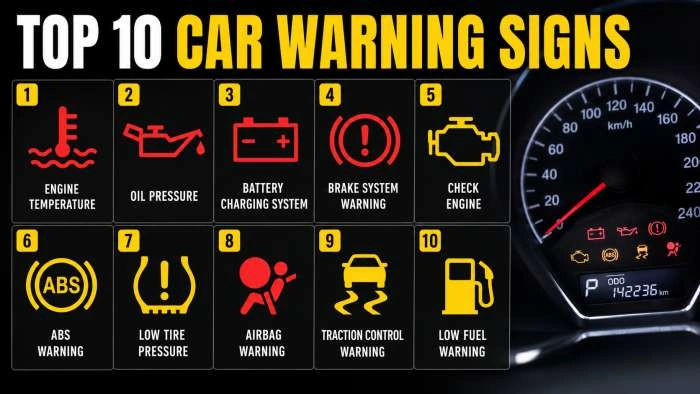
What should I do if the ABS warning light stays on while I am riding?
If that dashboard indicator stays lit while you drive, your safety computer has spotted an internal sensor fault and switched off the anti-lock help. Your standard manual brakes will still slow the bike down normally, but you should take the machine to a mechanic to scan the module.