You want your SUV to be more than just a cool ride. You want it safe for your kids, your friends, and hey, even that stubborn labrador who always leaps into the backseat. Modern SUV safety technology is changing the way we drive, making even the wildest road trip a lot less stressful. Whether you're new to SUVs or you've driven them for years, understanding these smart features can give you real peace of mind.
What's Different About Modern SUV Safety Technology?
Old school seatbelts and airbags are still here, but now your SUV can sense, warn, and sometimes even react before you do. We're talking about systems that help avoid crashes, keep you in your lane, and spot things you might miss, like a bike speeding behind you. That's a huge leap from what your parents drove.
Which SUV Safety Features Really Matter?
- Automatic Emergency Braking (AEB): Slams the brakes if there's a collision risk and you're slow to react.
- Blind-Spot Monitoring: Tells you when someone's creeping up in the lane you can't fully see.
- Lane-Keeping Assist: Nudges you back if you start drifting out of your lane without a turn signal.
- Adaptive Cruise Control: Adjusts your speed to match cars ahead, so you can relax a bit on long drives.
- Rear Cross-Traffic Alerts: Warns if someone's behind you when backing out of a tight spot.
These are the MVPs for most drivers. They take a load off and can honestly save you from some expensive and scary close calls.
How Does Advanced SUV Safety Work?
Its part car, part computer. There are tiny cameras, radars, and sensors built into the bumpers, mirrors, and windshield. They watch the road (and sometimes you). When danger pops up, these systems either beep, flash, vibrate your steering wheel, orif you dont act in timethey can even step in for you.
This tech isnt just for expensive SUVs, either. Even smaller and more affordable models are loaded with these smart features now. Just ask anyone whos had a close encounter with a deer, and their SUV braked for them. It can feel like magic.
Why Do People Still Crash If SUVs Have All This Tech?
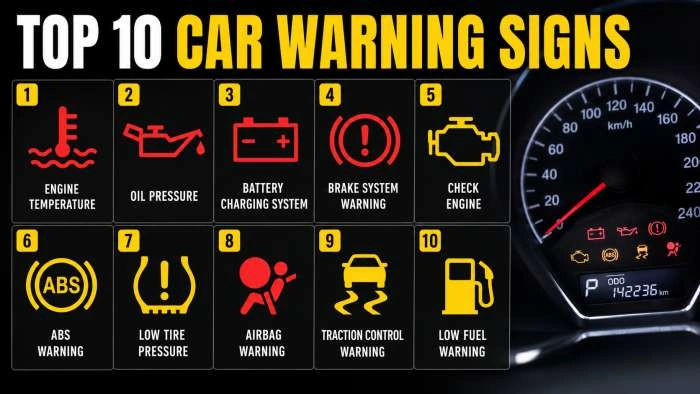
No SUV safety technology is perfect. Sometimes, poor weather blocks sensors. People tune out the beeps and ignore the lights. Tech can help, but you still need to pay attention. Trust, but verify. Give your car a second set of eyes, not your only set.
What Are the Highest SUV Safety Ratingsand Why Should You Care?
SUV safety ratings arent just some gold star. They're tested by folks who smash new cars into things (so you wont have to). Look for high scores from places like the NHTSA or IIHSthose are big safety watchdogs. High ratings usually mean better protection and advanced crash prevention tech built-in.
- SUVs with top scores can better protect people in front, back, and side crashes.
- They often have extra systems for rollovers, which are a bigger risk with tall SUVs.
- A high rating usually brings more than just airbagsit means electronic stability, stronger bodies, and smart seatbelt designs.
Dont just buy an SUV because it looks tough. Check those ratings. It could be the difference between a scare and a tragedy.
Are Advanced SUV Safety Features Worth the Extra Cost?
Lets be honestfancy safety features arent always standard. You might pay a little more. But compare it to a year of insurance, or the cost of one hospital bill. Its not even close. Plus, many simple packages bundle several features together, and some models throw in most of them at no extra charge.
- For families: One automatic braking save pays for itself.
- For commuters: Adaptive cruise and lane keeping can take the edge off your daily grind.
- For older drivers: Blind-spot monitoring is a game changer when neck checks get harder.
If you can, pick an SUV with the safety features that fit your life. Dont let slick sales talk tempt you with fake upgrades. Spot what actually helps keep you and yours safer.
What Mistakes Do People Make With SUV Driver Assistance?
- Thinking the car drives itself. (It doesnt. Not yet.)
- Shutting off warnings because the beepings annoying.
- Ignoring recalls or not updating the software.
- Assuming features like lane assist will work in a snowstormthey might not.
- Skipping the manual, so you never learn all your SUV can do.
Every driver I know learns something new about their SUV months after buying it. Take an hour. Test each safety feature in your driveway before a real emergency. Its worth it.
How Do You Actually Use These SUV Safety Systems Safely?
Heres the trick: Use these tools, but dont trust your life to them. Think of SUV driver assistance as your driving buddyits helpful, but its not a superhero. Always double-check, watch the road, and keep both hands on the wheel.
- Check your mirrors and blind spots, even if your car beeps.
- Dont rely on one systemuse all options together.
- Update your cars software if the manufacturer says to. Its like your phone; updates matter.
Even simple thingslike setting your crash prevention warnings to early instead of latecan add precious seconds in an emergency.
What Should You Look For When Buying an SUV for Safety?
- Top safety ratings from NHTSA and IIHS
- Standard advanced safety features (not just as expensive add-ons)
- Lots of airbags, including side and curtain airbags
- Strong crash prevention systems (AEB, lane assist, blind-spot)
- Good visibility and easy-to-use controls
- Stability control and rollover protection
Test drive models with these systems turned ON. See how the alerts sound and feel. If you hate them now, theyll drive you crazy later. Find what works for you.
Takeaways: Putting SUV Safety Tech to Work for Your Family
Smart SUV safety technology makes road trips, daily errands, and even simple parking way less stressful. Focus on the features that matter most for how (and where) you drive. Dont be afraid to ask questions at the dealership or to spend time with the manual. And remember: even the best tech is no replacement for a sharp, alert driver. But when you and your SUVs brain work together, youve got a powerful team keeping everyone safer.
- Pick the features that fit your life and budget
- Test everything before you need it
- Keep learningnew safety tech comes out every year
- Stay alert: The smartest car cant see everything
FAQs About SUV Safety Technology
- Q: What are the most important SUV safety features I should have?
A: Get automatic emergency braking, blind-spot warning, and lane-keeping assist if you can. These help prevent the most common crashes. The more safety features you have, the better, but those three cover most risky situations. - Q: Does SUV driver assistance let the car drive itself?
A: No, driver assistance helps you drive but doesnt take over. You still have to stay alert, steer, and be ready to brake. Its more like a helpful co-pilot, not an autopilot. - Q: Is all SUV safety technology standard or do I have to pay extra?
A: Some brands offer lots of advanced safety tech as standard, while others charge for it in higher trims or packages. Check the models standard features list before you buy so you know what youre getting. - Q: How can I tell if an SUV has good safety ratings?
A: Look for crash test results from trusted groups like NHTSA or IIHS. Five stars or a Top Safety Pick are great signs. Dealerships usually have these details, and you can search them online by SUV make and model. - Q: Wht should I do if a safety system in my SUV is acting weird?
A: Dont ignore itcheck your manual and contact your dealer. Sometimes, a sensor gets dirty or theres a software bug. Fixing it fast keeps you safer on the road. - Q: Will SUV safety technology work in bad weather?
A: Safety tech can struggle when cameras or sensors are blocked by snow, mud, or heavy rain. Always clean your car and dont depend on the tech alone in tough weather. Drive with extra care.