

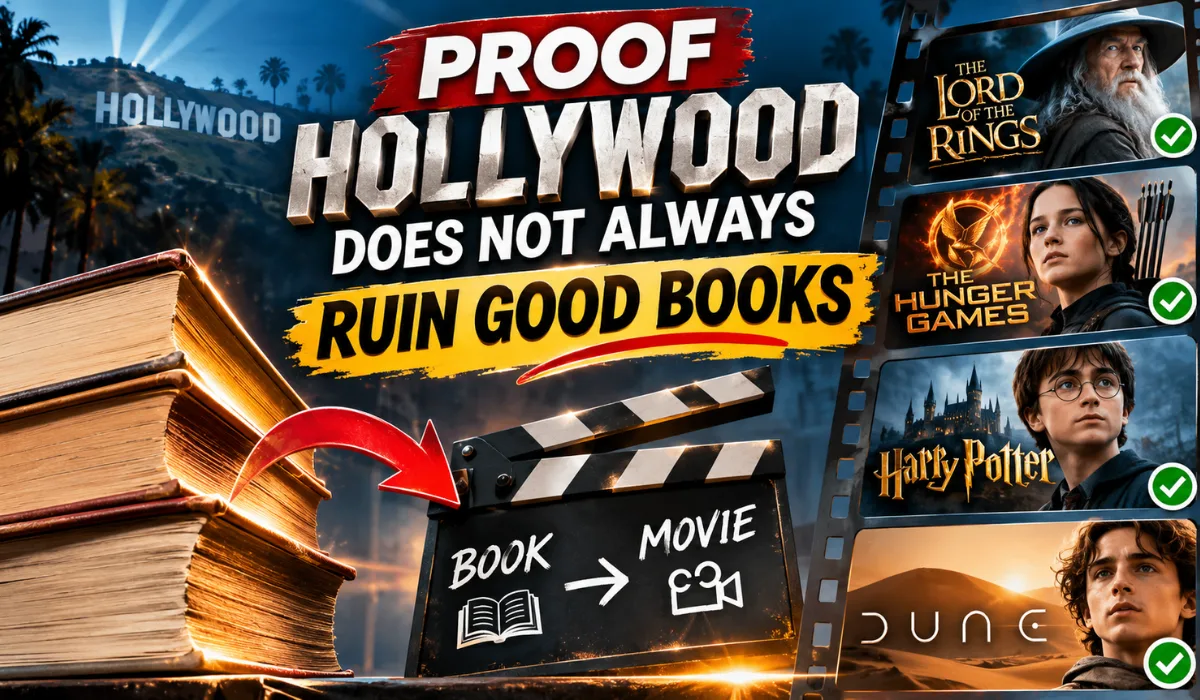
When adapting a classic to film or TV, filmmakers do not take the challenge lightly. Diehard readers may fiercely protect the intellectual property, and often they have to omit, rephrase, or ignore details for various reasons. But sometimes they do it perfectly. Our love for a book-to-movie adaptation knows no bounds, and we think you'll agree there's no shame in having a guilty pleasure adaptation either. We all have our unique and slightly warped versions of our favourite novels, and we have no wish to slander anyone else's, but here's ours.
Orlando (1992)
Tilda Swinton stars as Orlando in the 1992 adaptation of author Virginia Woolf's novel based on the gender-shifting story. Critics widely praised the film and considered it a classic of independent and queer cinema. Orlando currently has an 86 percent approval rating on Rotten Tomatoes and a 7.1/10 rating on IMDb. Roger Ebert called it a "film about a vision of human existence," rather than a plot.
The Great Gatsby (2013)
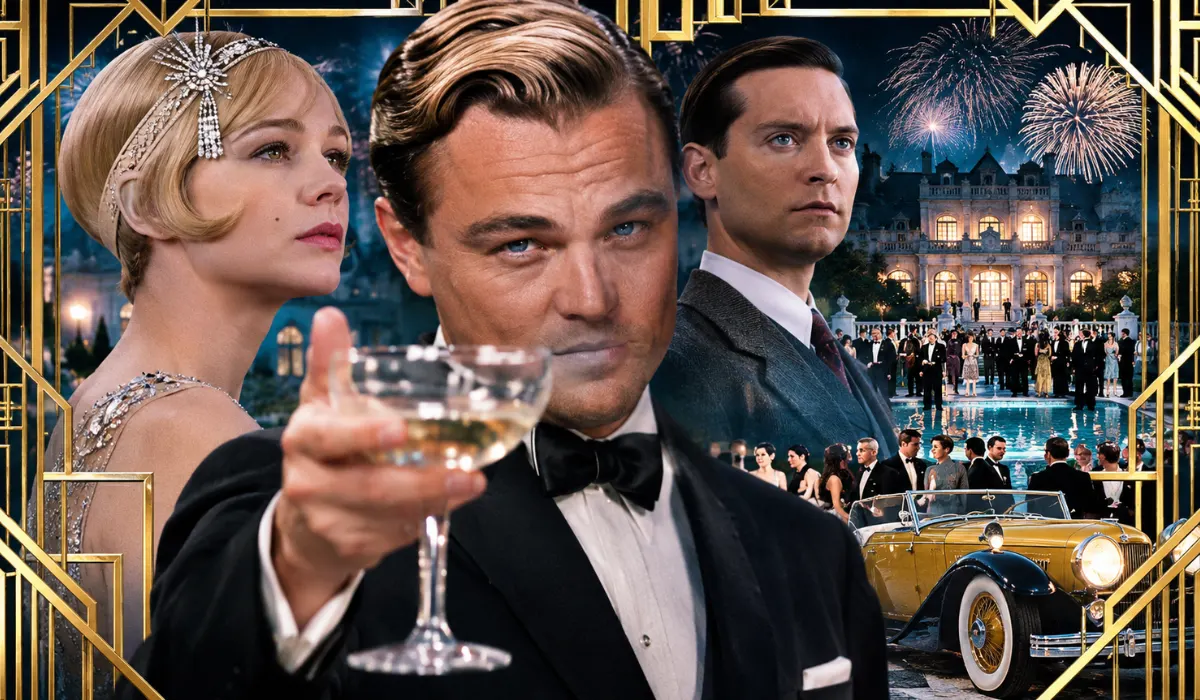
But no one reinvented it quite like Baz Luhrmann's 1920s tragedy. The extravagance and thrill, the bells and whistles of the roaring 20s - it all plays out so beautifully with a sort of emotional grit I could feel myself when I was reading the novel. And the acting talent is strong here, too. Leo DiCaprio carries the weight as our main Gatsby, but Tobey Maguire, Joel Edgerton, Carey Mulligan and Isla Fischer do equally great work completing our leading cast as well.
Pride & Prejudice (2005)
I know Austen fans have plenty to say about her adaptation, but I can't get over how well Keira Knightley and Matthew Macfadyen bring Elizabeth and Mr. Darcy to life. It's also one of the more truthful adaptations out there – with no attempt to upend the story or rework the script.
The Age of Innocence (1993)
Scorsese adapted the film in the early 90s from Edith Wharton's novel, starring Winona Ryder, Daniel Day-Lewis, and Michelle Pfeiffer. Redditors raved about the film's faithfulness to the novel, and the film garnered all the awards, wins, and nominations you could think of from the Academy, Golden Globes, BAFTAs, and even the Pulitzer Prize. We'll see if the Netflix mini-series adaptation has the same luck.
If Beale Street Could Talk (2018)
Baldwin's novel was made into a movie, and it's at 95% on Rotten Tomatoes. Regina King was earned an Academy Award for Best Supporting Actress, and Barry Jenkins directed it (who you may also know as the director of the Oscar-winning Moonlight).
The Haunting of Hill House (2018)
One of the most celebrated of all Gothic horror stories, Shirley Jackson wrote The Haunting of Hill House way back in 1959, but Netflix recently took the reins to bring its own updating of the television miniseries to 2018. Mike Flanagan's incarnation proved very popular, even if it wasn't very faithful to the original, and became one of the best horror series of the 2010s.
The Phantom of the Opera (2004)
A degenerate musical genius resides in the Paris Opera House - a tale as old as time. And in 2004, this version of Gaston Leroux's original story appeared 90 odd years later than it was first published. And it serves as a reminder that Emmy Rossum was the classic child opera singer before she joined the Shameless cast.
Little Women (2019)
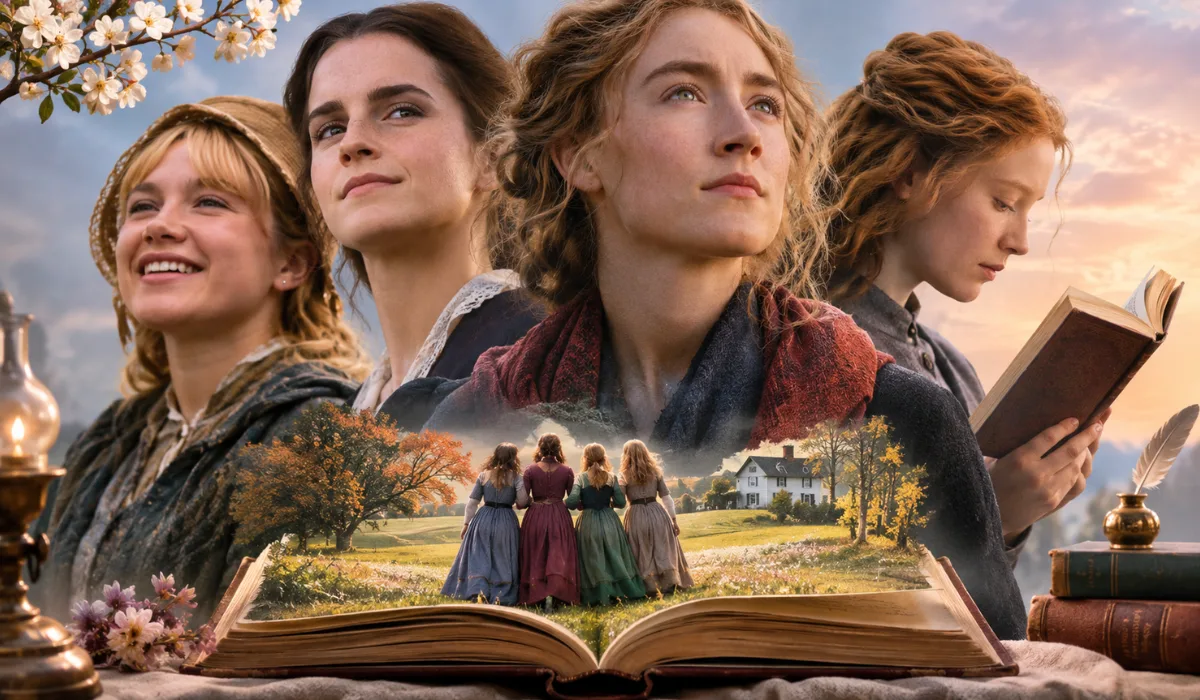
It's a modern classic in the making, and Greta Gerwig adapts Louisa Alcott's classic saga of the March sisters. Saorise Ronan plays the fiercely independent Jo (who hasn't gone on the blub-fest that is the 'Women, they have minds and they have souls as well as just hearts' speech, one must ask?) Florence Pugh portrays our raging but lovable Amy. Timothée Chalamet plays bouncy, boyish Laurie and Laura Dern embodies the idealistic warmhearted Marmee.
East of Eden (2026)
This version of John Steinbeck's 1952 novel, which Netflix filmed as a prestige television seven-part series, beautifully presents some intriguing (though often divisive among critics) perspectives on a few villainous characters. But it remains very much a faithful and well-executed adaptation. (And thank goodness it's a series, since this allows us to dig into the stories in much greater detail.)
The Virgin Suicides (1999)
The movie that catapulted Sofia Coppola into being a filmmaker and turned child star Kirsten Dunst into an adult screen queen is a dreamy, liquid nightmare, a disturbing exploration of girlhood in the male gaze that also unexpectedly became a cult movie for teenage girls. Coppola's lush, sensually textured debut feels like a blurry photograph, the fleeting image of girls living in the haze of cigarette smoke and '70s sunshine and adored by but not understood by '70s boys, in Coppola's intelligent, cinematic ode to the lyrics of Jeffrey Eugenides.
FAQ's
1. Can a movie ever genuinely surpass its source material?
Yes, cinematic tools like a powerful musical score, visionary direction, and standout acting can elevate a story beyond the printed page. Masterpieces like The Godfather and The Lord of the Rings demonstrate that a film can successfully honor a novel while creating a distinct, unforgettable artistic experience.
2. What are some prominent examples where Hollywood succeeded?
Critically acclaimed films such as The Silence of the Lambs, Jurassic Park, Fight Club, and The Shawshank Redemption are frequently cited as book adaptations that match or even exceed the cultural impact and execution of their original texts.
3. Why do certain stories work better on screen than in print?
Visual storytelling can compress verbose exposition, trim pacing issues, and translate abstract concepts into striking imagery. Directors can cut structural bloat from lengthy novels, tightening the narrative focus for a more immediate emotional punch.
4. Have authors ever publicly preferred the film version of their work?
Yes, author Chuck Palahniuk famously praised David Fincher's film adaptation of Fight Club, noting that the movie's structure and iconic ending streamlined his original concepts and improved upon the novel's execution.
5. How do filmmakers successfully adapt a book without a literal word-for-word copy?
The best adapters focus on capturing the core thematic essence and emotional truth of a book rather than treating every single page as sacred, allowing the movie to stand independently as a great work of art.