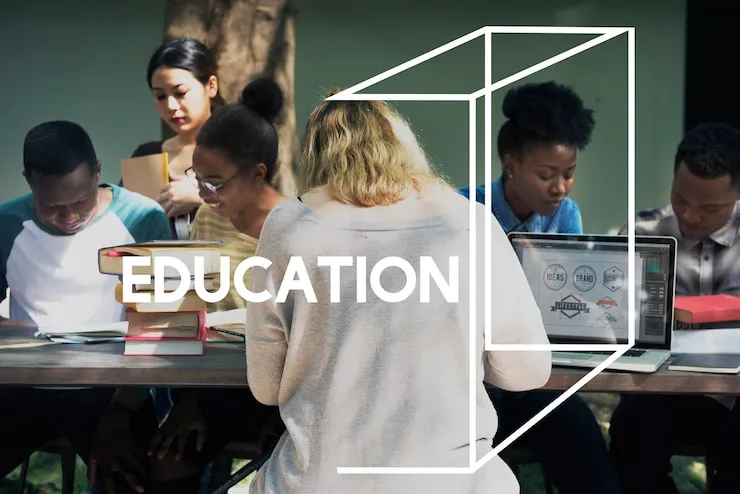
College is often seen as a ticket to a better career, a place to earn a degree, and a space to discover your passions. Most students focus on classes, grades, and social life—but there’s a treasure trove of college skills training programs that many never exploit. These programs are designed to equip students with practical, career-ready skills, yet countless students either aren’t aware of them or don’t take full advantage.
In this article, we’ll explore these programs, why they’re valuable, and how you can leverage them to supercharge your college experience and future career. From communication and leadership to tech and financial literacy, the opportunities are vast—if you know where to look.
1. The Gap Between Classroom Learning and Career Skills
Traditional college courses often focus on theory and knowledge rather than applied skills. While academic knowledge is important, employers increasingly value soft skills, technical proficiency, and real-world experience.
Why This Gap Exists:
-
Curricula are designed for broad education rather than specific career readiness.
-
Professors may assume students will gain skills through internships or self-learning.
-
Students prioritize grades and exams over skill-building opportunities.
The result? Many students graduate with a degree but feel underprepared for the workforce. This is where college skills training programs come in—they bridge the gap between theory and practice.
2. What Are College Skills Training Programs?
College skills training programs are structured workshops, courses, or initiatives that focus on developing skills beyond the standard curriculum. These programs are often offered by career centers, student affairs departments, or industry partnerships.
Examples Include:
-
Communication Skills Workshops: Public speaking, professional writing, or interpersonal communication.
-
Leadership and Teamwork Programs: Clubs, leadership institutes, and group project facilitation.
-
Technical Skills Bootcamps: Coding, data analysis, graphic design, and other in-demand tech skills.
-
Financial Literacy Programs: Budgeting, investing, and personal finance management.
-
Career Preparation Programs: Resume building, interview prep, networking strategies, and job search techniques.
These programs provide students with the tools they need to thrive in professional settings, yet they are frequently overlooked.
3. Communication Skills Training: A Must-Have
Even the most technically skilled graduate may struggle without strong communication skills. Yet, many students ignore workshops and seminars that could sharpen these abilities.
Key Areas of Focus:
-
Public Speaking: Confidence in presenting ideas to groups, delivering pitches, or leading meetings.
-
Professional Writing: Email etiquette, business reports, and persuasive writing.
-
Interpersonal Communication: Active listening, negotiation, and conflict resolution.
Pro Tip: Join debate clubs, Toastmasters on campus, or professional writing workshops. Employers consistently rank communication as one of the top skills for hiring and promotion.
4. Leadership Development Programs
Leadership isn’t about a title—it’s about influence, decision-making, and teamwork. Colleges offer many programs designed to help students grow into effective leaders.
Examples:
-
Student government associations
-
Peer mentorship programs
-
Leadership retreats and workshops
-
Project-based team initiatives
Pro Tip: Even if you’re introverted, leadership programs teach skills that apply to every career path, from managing projects to influencing peers. Active participation can significantly boost your professional profile.
5. Technical Skill Bootcamps: Don’t Wait to Learn Tech
Technology permeates every industry, and yet many students wait until their senior year or after graduation to learn critical technical skills.
College Tech Programs Often Include:
-
Coding Bootcamps: Python, JavaScript, web development.
-
Data Analytics Courses: Excel, SQL, Tableau, and statistical tools.
-
Design Skills: Adobe Creative Suite, UX/UI principles, video editing.
-
Digital Marketing: Social media strategy, SEO, content marketing.
Pro Tip: Use college-sponsored bootcamps or workshops. They’re often free or discounted for students and provide certificates that enhance your resume immediately.
6. Financial Literacy Programs: Avoiding Career Pitfalls
Many students graduate with debt and little understanding of managing finances. College skills programs can teach financial literacy, an overlooked but essential career skill.
Topics Covered:
-
Budgeting and personal finance management
-
Understanding loans, credit scores, and interest
-
Investing basics for young professionals
-
Negotiating salaries and benefits
Pro Tip: Attend workshops offered by career centers, financial aid offices, or student organizations. Understanding money early sets you up for long-term financial stability and smarter career decisions.
7. Internship and Career Preparation Workshops
Internships are invaluable, but knowing how to secure and succeed in them is just as critical. Many colleges provide workshops to prepare students for internships and early career experiences.
Typical Programs:
-
Resume and cover letter clinics
-
Mock interviews with industry professionals
-
Networking strategy sessions
-
LinkedIn profile optimization
Pro Tip: Treat these workshops like a hidden job market advantage. Students who fully utilize these resources often land internships months ahead of their peers.
8. Soft Skills Development: The Hidden Key to Success
Soft skills like adaptability, problem-solving, and teamwork often make the difference between promotion and stagnation. Many students neglect programs designed to cultivate these abilities.
Examples:
-
Problem-solving bootcamps
-
Conflict resolution seminars
-
Emotional intelligence workshops
-
Time management and productivity training
Pro Tip: Actively seek these programs even if they don’t offer credit. The ability to navigate workplace dynamics is often more impactful than technical knowledge alone.
9. Networking and Mentorship Programs
One of the most underutilized opportunities in college is professional networking and mentorship. Most campuses host events where students can meet alumni and industry professionals.
How to Leverage These Programs:
-
Attend alumni panels and career fairs
-
Join professional associations on campus
-
Participate in mentorship programs connecting students with industry experts
-
Take leadership roles in clubs that offer networking opportunities
Pro Tip: Networking isn’t just about asking for jobs—it’s about building relationships, learning from others, and discovering opportunities before they’re public.
10. Entrepreneurship and Innovation Labs
Many colleges now offer entrepreneurship programs, innovation labs, or startup incubators. These programs teach business planning, marketing, fundraising, and problem-solving.
Advantages:
-
Gain hands-on experience in starting a venture
-
Learn project management and team collaboration
-
Receive mentorship from experienced entrepreneurs
-
Access potential funding for innovative ideas
Pro Tip: Even if you don’t want to start a business, participating in these programs develops leadership, creativity, and resourcefulness—skills highly valued in any career.
11. Global and Cultural Programs
In an increasingly globalized world, cultural intelligence is a critical skill. Colleges often provide programs to develop cross-cultural competence and global awareness.
Examples:
-
Study abroad programs with practical training
-
International internships or service projects
-
Workshops on cross-cultural communication and diversity
-
Language immersion courses
Pro Tip: Cultural competence makes you a more attractive candidate for multinational companies and positions requiring collaboration across borders.
12. Digital and Online Skills Training
The pandemic accelerated online learning, and many colleges now offer digital skills programs accessible to students on-demand.
Skills You Can Gain:
-
Advanced Excel and data visualization
-
Digital marketing and analytics
-
Online collaboration and project management tools
-
Cybersecurity basics
Pro Tip: Don’t wait for classes to be offered on campus—explore online offerings through your college portal. Certifications from these programs can be added directly to your resume or LinkedIn profile.
13. Why Students Don’t Exploit These Programs
Despite the clear benefits, many students don’t take advantage of these opportunities. Common reasons include:
-
Lack of awareness: Students simply don’t know the programs exist.
-
Perceived time constraints: Busy schedules make them feel they can’t commit.
-
Misunderstanding value: Some students don’t see skill workshops as worth the effort compared to grades.
-
Overreliance on coursework: Belief that academic grades alone will secure a job.
Pro Tip: Make a deliberate plan to attend at least one non-credit skill-building workshop each semester. The cumulative effect over four years can be career-transformative.
14. How to Identify Programs at Your College
Finding programs is easier than most students think. Look in:
-
Career services or student success centers
-
Academic department websites
-
Campus clubs and organizations
-
Alumni offices and mentorship programs
-
Online portals for workshops and certifications
Pro Tip: Create a personal calendar of skill-building events and commit to attending at least one per month. Small, consistent effort compounds over time.
15. Leveraging Programs for Career Advantage
The value of these programs becomes clear when you intentionally apply what you learn.
Strategies:
-
Apply technical skills in internships or class projects
-
Practice leadership skills in student organizations
-
Add certificates and workshops to your resume and LinkedIn
-
Use networking opportunities to secure mentorship and job leads
-
Build a portfolio of projects, presentations, or business plans
Employers notice students who show initiative and continuous learning. These experiences make you stand out among peers.
16. Real-Life Examples of Students Who Exploit These Programs
-
Samantha, Business Major: Leveraged financial literacy and entrepreneurship programs to start a campus consulting club. By graduation, she had real clients and a portfolio of experience that helped her land a corporate finance role.
-
Alex, Engineering Student: Attended coding bootcamps and technical workshops, supplementing coursework. Secured a tech internship at a Fortune 500 company due to his practical skills.
-
Maya, Communications Major: Participated in public speaking and leadership workshops, boosting confidence and landing a PR role at a competitive agency.
These examples demonstrate that skills training programs are not just extras—they are differentiators in a competitive job market.
17. Planning Your Skill-Building Roadmap
To truly exploit these programs, create a roadmap:
-
Audit Available Programs: Identify all non-credit workshops, bootcamps, and training sessions.
-
Set Career Goals: Align skills with your desired industry or role.
-
Schedule Attendance: Commit to regular participation throughout your college years.
-
Document Progress: Keep certificates, project outcomes, and mentorship notes.
-
Apply Skills in Real Projects: Translate learning into practical experience.
-
Reflect and Adjust: Continuously evaluate which skills are most impactful.
Consistency and intentionality turn optional programs into career acceleration tools.
18. The Long-Term Payoff
Students who exploit these programs graduate with more than a degree—they leave college with practical experience, leadership skills, industry connections, and confidence.
Long-Term Benefits:
-
Faster career advancement
-
Higher starting salaries
-
Greater adaptability in changing job markets
-
Enhanced problem-solving and decision-making abilities
-
Stronger professional network
These advantages can last a lifetime, far outweighing the time invested during college.
Conclusion: Don’t Let College Skills Training Programs Go Untapped
College is more than a place to earn grades—it’s a launchpad for your career. While many students focus solely on academics, those who take advantage of skills training programs gain a measurable edge.
From communication and leadership to technical, financial, and global skills, the opportunities are diverse and often free or low-cost. The key is awareness, planning, and consistent participation. By integrating these programs into your college journey, you not only prepare for your first job but build a foundation for lifelong career growth.
The programs are there; the only thing holding you back is inaction. Don’t leave these opportunities untapped. Seek them out, engage fully, and watch how they transform your career trajectory—turning a standard college experience into a professional launchpad.