In today’s rapidly evolving world, STEM—science, technology, engineering, and mathematics—is more than just a set of academic disciplines. It has become the backbone of innovation, the gateway to high-demand careers, and the key to solving some of the most pressing global challenges. Yet, despite its importance, traditional approaches to STEM education often fall short. They can be rigid, abstract, and disconnected from real-world applications.
The good news? A transformation is underway, one that’s reshaping STEM education and offering students unparalleled opportunities for growth, creativity, and success. By uncovering the secrets behind this revolution, educators, parents, and students alike can harness the full potential of STEM. Let’s explore the forces driving this transformation, the strategies creating measurable results, and the practices shaping the innovators of tomorrow.
Why STEM Education Matters More Than Ever
STEM isn’t just about learning formulas or memorizing facts; it’s about developing critical thinking, problem-solving skills, and the ability to navigate a world increasingly driven by technology.
Consider these realities:
-
Career Opportunities: According to the U.S. Bureau of Labor Statistics, STEM occupations are projected to grow much faster than non-STEM roles over the next decade. Careers in data science, artificial intelligence, biotechnology, and renewable energy are in high demand.
-
Innovation and Impact: The future of medicine, climate solutions, space exploration, and technological advancement hinges on a workforce proficient in STEM.
-
Empowering Minds: STEM education teaches resilience, logical reasoning, and creativity. Students learn to tackle complex problems, collaborate effectively, and adapt to challenges—skills that extend far beyond the classroom.
However, the traditional “chalk and talk” approach is no longer sufficient. Today’s students need engagement, hands-on experiences, and the opportunity to apply knowledge in meaningful ways.
Secret #1: Hands-On Learning Is the Game-Changer
One of the most powerful shifts in STEM education is the embrace of experiential learning. Students are no longer passive recipients of knowledge—they are active participants, experimenting, building, coding, and problem-solving in real-time.
Examples of Hands-On Learning:
-
Robotics and Coding Labs: Instead of memorizing algorithms, students program robots to perform tasks, testing their logic and debugging errors.
-
STEM Maker Spaces: Equipped with 3D printers, electronics kits, and craft materials, these spaces encourage experimentation and creativity.
-
Field Work: From environmental sampling to engineering site visits, applying classroom knowledge in the real world deepens understanding.
Research shows that hands-on learning significantly improves retention and engagement. When students see the tangible results of their work, concepts move from abstract ideas to lived experiences, fueling curiosity and confidence.
Secret #2: Interdisciplinary Approaches Are Breaking Boundaries
STEM no longer exists in a vacuum. Today’s most successful programs integrate arts, humanities, and social sciences, creating STEAM (Science, Technology, Engineering, Arts, Mathematics) education.
Why Integration Matters:
-
Creativity Boost: Incorporating arts encourages innovative thinking. A math problem isn’t just about equations—it can become a design challenge or a storytelling opportunity.
-
Real-World Problem Solving: Engineers must consider social impact, ethicists weigh technology’s consequences, and scientists collaborate across disciplines. Interdisciplinary learning prepares students for these realities.
-
Increased Engagement: Students who may not initially gravitate toward math or science find entry points through art, design, or storytelling.
For example, a classroom project combining biology, data analytics, and graphic design could result in a visually compelling public health campaign, teaching students both STEM skills and communication skills simultaneously.
Secret #3: Personalized Learning Unlocks Potential
No two students learn the same way. Modern STEM education increasingly leverages personalized learning to meet individual needs and strengths.
Techniques for Personalization:
-
Adaptive Learning Software: Programs adjust difficulty based on a student’s performance, ensuring they are challenged but not overwhelmed.
-
Project-Based Learning: Students choose projects aligned with their interests, increasing motivation and ownership.
-
Mentorship and Peer Collaboration: Personalized guidance from teachers and collaboration with peers allow students to learn at their own pace while gaining critical social and professional skills.
The result? Higher engagement, deeper comprehension, and a sense of ownership over learning, which translates into long-term success in both academics and future careers.
Secret #4: Technology Is a Catalyst, Not a Replacement
Technology in STEM education is not just about teaching students to use gadgets; it’s about transforming how they learn and think.
Key Technological Innovations:
-
Virtual Labs and Simulations: Students can experiment with chemicals, physics phenomena, or engineering prototypes in a safe, cost-effective digital environment.
-
AI Tutoring Systems: Personalized AI tutors provide immediate feedback, helping students master complex concepts faster.
-
Online Collaboration Tools: Students can work across schools, states, or countries on shared STEM projects, reflecting real-world global collaboration.
When integrated thoughtfully, technology enhances critical thinking, creativity, and collaboration, rather than replacing human insight. Students are empowered to explore, fail safely, and innovate.
Secret #5: Real-World Relevance Fuels Motivation
Students often ask, “When will I ever use this in real life?” Programs that connect STEM learning to real-world challenges capture imagination and ignite purpose.
Examples of Real-World STEM Applications:
-
Climate Science Projects: Students analyze local environmental data and propose actionable solutions.
-
Engineering Challenges: Building sustainable energy solutions, water filtration systems, or robotics for community service.
-
Entrepreneurial STEM: Coding apps or developing products that solve everyday problems merges STEM skills with business acumen.
By linking learning to tangible outcomes, students see the impact of their work, increasing engagement, self-efficacy, and the desire to pursue STEM careers.
Secret #6: Collaboration and Communication Are Core Skills
STEM education has historically emphasized individual achievement, but today’s innovators must excel in teamwork and communication. Collaborative learning is now central to transforming education.
How Collaboration Enhances STEM Learning:
-
Team-Based Projects: Students work in groups, solving complex problems, sharing responsibilities, and navigating conflicts.
-
Global Collaboration: Virtual exchanges with students worldwide teach cultural competency and diverse problem-solving approaches.
-
Presentation Skills: Communicating technical ideas clearly is essential for success in STEM careers, from pitching projects to publishing research.
Students trained in collaboration and communication are better prepared for professional environments where teamwork is often the key to success.
Secret #7: Mentorship and Role Models Inspire Confidence
Representation matters. Students who see STEM professionals from diverse backgrounds achieving success are more likely to envision themselves in similar roles.
Mentorship Strategies:
-
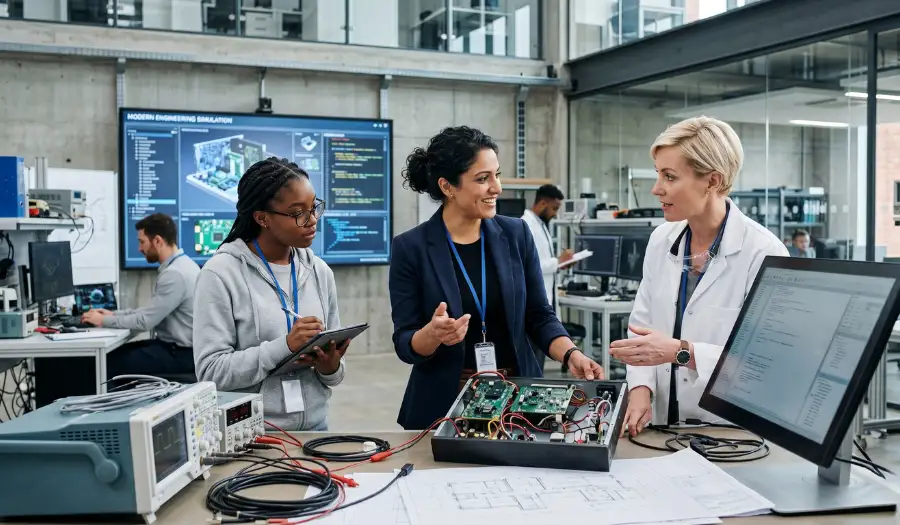
Industry Partnerships: Professionals visit classrooms or mentor students online, offering guidance and career insights.
-
Alumni Networks: Graduates return to share experiences, inspiring the next generation.
-
Peer Mentorship: Older students guide younger peers, reinforcing their own knowledge while fostering leadership skills.
Mentorship instills confidence, demonstrates real-world possibilities, and motivates students to pursue ambitious goals in STEM fields.
Secret #8: Continuous Assessment and Feedback Drive Growth
Gone are the days of relying solely on final exams to gauge understanding. Effective STEM programs use continuous assessment to provide feedback, adjust instruction, and guide growth.
Methods for Continuous Assessment:
-
Formative Assessments: Frequent quizzes, polls, and reflection exercises identify gaps early.
-
Project Reviews: Ongoing evaluation of student projects ensures iterative learning and improvement.
-
Self-Assessment: Students reflect on their progress, set goals, and develop metacognition skills—learning how to learn.
Continuous feedback helps students stay engaged, correct mistakes, and achieve mastery rather than superficial understanding.
Secret #9: Equity and Inclusion Are Non-Negotiable
For STEM education to achieve unrivaled success, it must be accessible to all students, regardless of gender, race, socioeconomic background, or disability. Programs that prioritize equity are transforming STEM culture.
Inclusive Practices Include:
-
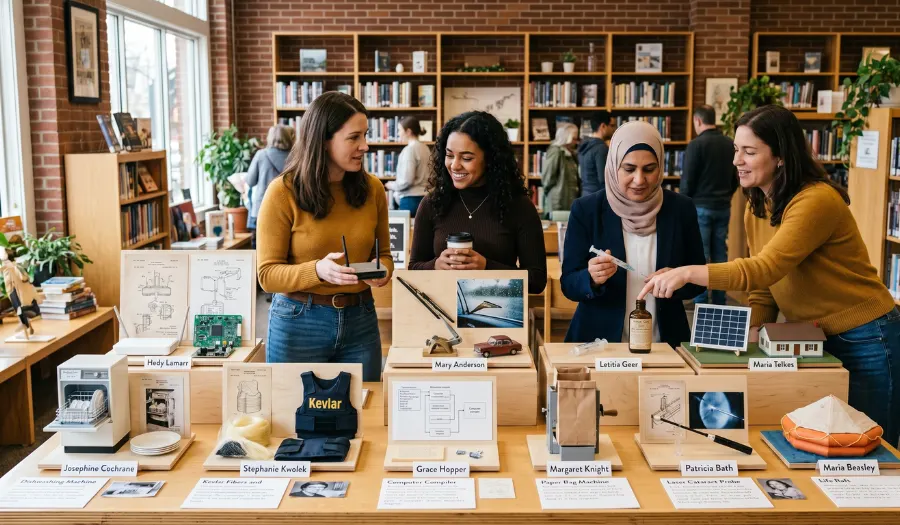
Diverse Curriculum Examples: Highlighting contributions from scientists of all backgrounds.
-
Financial Support Programs: Scholarships, grants, and free resources reduce barriers.
-
Adaptive Technologies: Tools that accommodate different learning styles and abilities ensure every student can thrive.
Inclusive STEM education doesn’t just benefit underrepresented groups—it enriches the learning environment for everyone, fostering creativity, empathy, and innovation.
Secret #10: Lifelong Learning and Curiosity Are Cultivated
STEM education isn’t just preparation for a career; it’s the foundation for lifelong curiosity and problem-solving. Programs that foster self-directed learning, critical thinking, and exploration create students who continue to innovate long after graduation.
How to Encourage Lifelong Learning:
-
Encourage independent research projects based on student interests.
-
Promote participation in STEM competitions, clubs, and online communities.
-
Celebrate curiosity-driven experimentation, even when it fails.
By nurturing a mindset that values inquiry over rote memorization, STEM education empowers students to adapt to future challenges with creativity and resilience.
Conclusion: The Future of STEM Success
Transforming STEM education isn’t about memorizing formulas or building robots—it’s about cultivating skills, curiosity, and resilience that prepare students for an ever-changing world. The secrets uncovered—from hands-on learning and interdisciplinary approaches to mentorship, inclusion, and real-world relevance—paint a picture of education that is dynamic, empowering, and human-centered.
Students who experience this transformed approach are not just learning STEM—they are learning how to innovate, communicate, collaborate, and thrive. They gain confidence, embrace challenges, and develop the skills to make meaningful contributions to society.
The future of STEM education promises unrivaled success—not because students memorize more, but because they learn to think, create, and connect in ways that were once unimaginable. And as educators, parents, and communities continue to embrace these secrets, the next generation of innovators, problem-solvers, and leaders is already taking shape.
If we are willing to uncover these secrets and apply them with intention and care, the potential is limitless. STEM education, transformed, becomes not just a pathway to careers, but a launchpad for a better, brighter, and more inventive world.