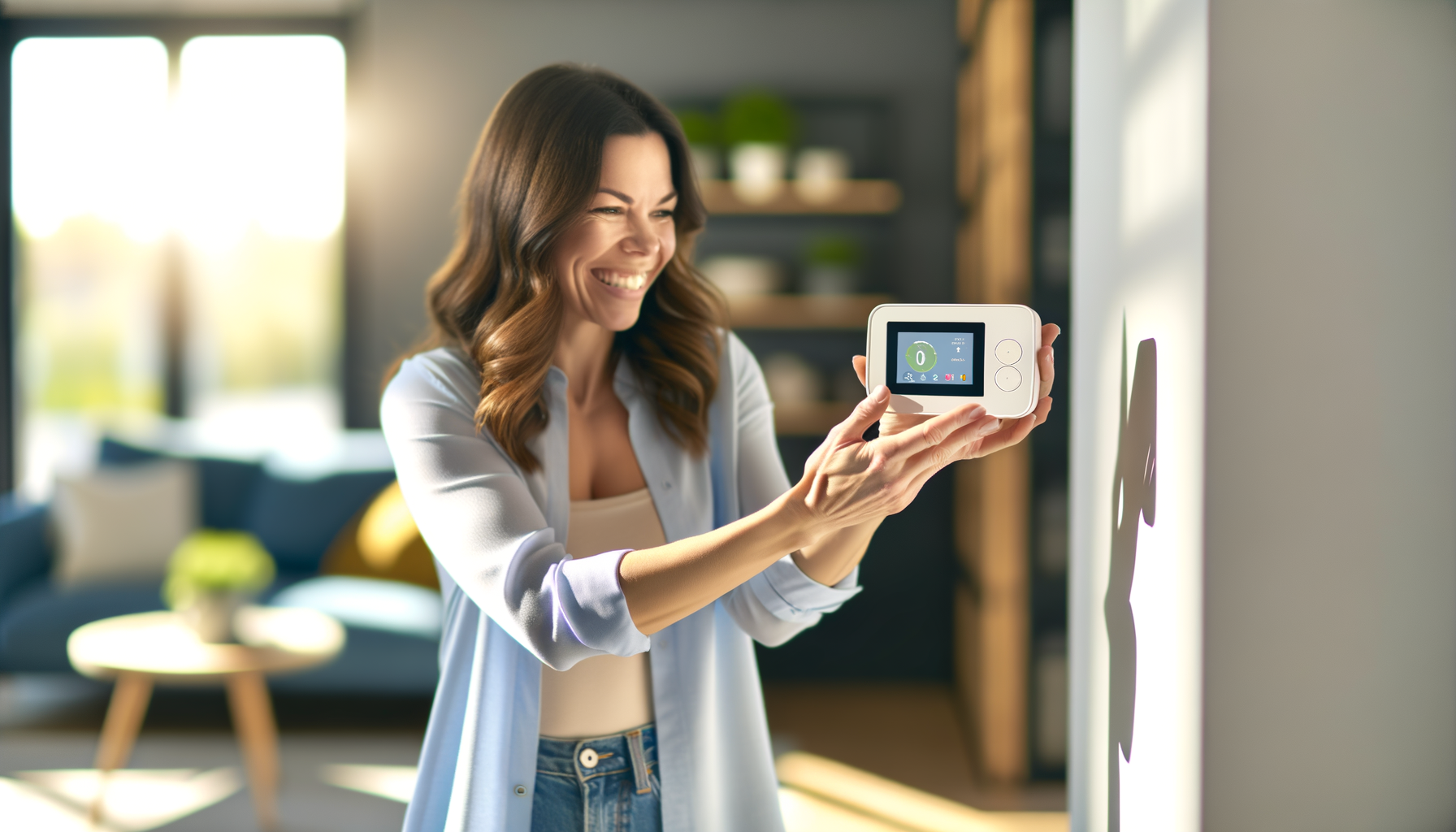
You know that feeling when your phone buzzes to remind you of a birthday or tells you it's time to stand up? Now, picture your house doing thatbut way cooler. Smart home installation is all about turning boring routines into set-it-and-forget-it magic. Want your lights to turn off when you leave? Coffee ready before you even get out of bed? It's all possible, and you don't need to be a tech genius to make it happen. Let's break down how you can make your home smarter, without losing your cool.
What Does Smart Home Installation Really Mean?
Smart home installation is connecting stuff in your placelights, thermostats, locks, and speakersso they talk to each other. You use an app or your voice to run things. Forget fumbling with a dozen remotes or switches; your phone or a simple voice command does the work.
- Smart lights: Dim or change color without getting up
- Smart thermostats: Keep your place comfortable and cut down bills
- Smart locks: Send virtual keys to friends and family
- Voice assistants: Play music, answer questions, or order pizza
Here's the dealit's meant to save time, money, and stress. Set up once. Enjoy it every day.
Why Bother With Home Automation?
Home automation isn't just for tech nerds. It's about making life less annoying. With smart home systems, stuff just works the way you want, even when you're not home.
- No more going back inside to make sure you locked the door
- Lights go out when you leave, so no surprise electric bills
- You check in on pets from work with a camera
No one wants extra chores. Smart tech gets rid of the boring bits, giving you more time for stuff you actually enjoy.
But Is It Safe?
This question always comes up. The short answer? Yes, smart homes can be safeif you do things right. Use good passwords. Always update your devices. Buy from real brands. Skip those sketchy no-name deals online. If your Wi-Fi is strong and your passwords are better than "1234," you're already ahead.
How Do You Actually Set Up Smart Devices?
The first time you set up a smart bulb or plug, it might feel like you're solving a puzzle with one blurry instruction sheet. Don't worry. Once you get the hang of one device, the rest are a breeze.
- Start small with a smart plug or light
- Download the app that goes with your device
- Follow the step-by-step setup (scan that QR code!)
- Name each device so you know what you're controlling
After your first setup, try automating stuff. For example: "When I leave, turn off all lights." Or "Set the thermostat to 68°F at 10 pm." If you get stuck, most apps have solid support or troubleshooting inside the app settings. And if something goes wrong? Unplug, wait 10 seconds, plug it back inclassic move for a reason.
Smart Home Integration: Will Everything Play Nice Together?
Here's where people get tripped up. Not every device plays nicely with every other one. It's like inviting everyone to a party but half don't speak the same language. That's where hubs or "bridges" come in. They're the translatorsconnecting smart home tech so everything follows the same rules.
- Look for products that say "Works with Alexa," "Works with Google Home," or "Apple HomeKit compatible"
- If your stuff comes from one brand, it's usually smooth sailing
- If you want to mix brands, check if they support the same standards (like Matter or Zigbee)
Start with one ecosystem and branch out once you're comfortable. Most folks get tripped up mixing brands right out of the gate. Don't bite off more than you can chew.
What Could Go Wrong? Real-Life Annoyances to Watch For
Even the best smart home setup isn't perfect. Here are some real hiccups you might hit (and how to dodge them):
- Wi-Fi dead zones: Devices in the basement or garage may not connect. Try a mesh network if your internet doesn't reach far corners.
- Too many apps: If every device needs its own app, you'll lose your mind. Choose gear that works under one main app or hub.
- Firmware updates: Devices need updates to stay secure. Turn on automatic updates if you can.
- Quick fixes go wrong: Sometimes unplugging and restarting works; sometimes you'll need to re-pair the device. Don't panic, it's normal.
If it starts to feel like too much, pause. Add one gadget at a time. No need to buy the whole store in one shot.
How Can You Make the Best of Smart Home Technology?
Here's a trick: focus on stuff you use every day. The whole point is to make your routine easier, not add complexity. If you cook a lot, get a smart speaker for hands-free timers. Love binge-watching? Try a smart remote to rule all the remotes.
- Pick devices that save you real time or hassle
- Ask friends what works for them
- Read quick guides and watch setup videos before you buy
The goal isn't to make your house look like a spaceshipit's to make life smoother without thinking about it. Start with one room or one routine. Once you see how easy it can be, you'll want to keep going.
FAQ
- How much does smart home installation cost?
Smart home installation can cost as little as $20 for one device or a few hundred dollars for a bundle. The biggest expense is if you hire a pro, but doing it yourself saves a lot. Start small. Upgrade as you go. Focus on what's useful for your life. - Can I set up smart home systems by myself?
Yes, you can! Most smart home systems are made for people to install without experts. Each device comes with directions in the app or box, and some even have videos. If you can set up a smartphone, you can handle most smart gadgets. - What do I need before I start smart home integration?
All you need is a Wi-Fi connection, a smartphone, and the app for each smart home product. For houses with thick walls or big spaces, a Wi-Fi extender helps. Some products need a hub or bridge, but most basics work right out of the box. - Will my smart home work if the Wi-Fi goes out?
Some smart devices, like lights or locks with manual controls, will still work if the Wi-Fi is downyou just can't control them with your phone. For most automations and remote access, youll need the internet back. It's a good idea to keep manual switches handy. - Is my information safe with smart home technology?
Your data is mostly safe if you use strong passwords, buy from trusted brands, and keep your devices updated. Avoid using the same password everywhere. If you're worried, check what data each app collects in its privacy settings. - Which smart devices should I start with?
Start with the stuff that makes the biggest difference. Most people pick smart bulbs, plugs, or a voice assistant first. They're cheap, set up in minutes, and show you the basics. Once you're confident, move to things like smart locks or thermostats.
Try one device this week. Tweak it so it works for your real life. You don't have to turn your home into a robot palace overnightjust make it a little smarter, one step at a time. You'll be surprised how quickly you get used to the new normal.