Have you ever wondered why chips stay crunchy for months? Or why your yogurt doesn’t spoil right away? It’s not magic—it’s smart science! The secret often lies in the plastic packaging it comes in.
Think of that plastic wrap, container, or bag as a tiny superhero suit for your food. Its main job is to be a barrier, a protective shield. This shield fights off the invisible villains that make food go bad. Let’s explore what those villains are and how plastic stops them.
The main enemies are oxygen, moisture, light, and germs. When food is exposed to these things, it can get stale, soggy, moldy, or just lose its yummy taste. Food-grade plastic materials are specially designed to keep these enemies out.
The Magic Trick: How Plastic Packaging Preserves Food Freshness
So, how does this "magic" happen? Let's look inside the lunchbox of science.
Blocking Oxygen (O2): Oxygen in the air makes sliced apples turn brown and causes fats in food to go rancid (that's a yucky, old taste). Many plastics act as an oxygen barrier. This extends shelf life by slowing down these reactions. Some packages even have a special modified atmosphere inside. This means the air inside the package is replaced with a mix of gases like nitrogen that don’t cause spoilage.
Locking Out Moisture: Have you ever left cookies out and they got soft? Or left crackers out and they got stale? Moisture in the air is to blame. Plastic packaging with moisture barrier properties keeps dry foods crispy and wet foods, like cut fruit, from drying out. This prevents food waste because your food stays the way you like it for longer.
Keeping Light Out: Light, especially sunlight, can break down vitamins and change the color of food. Have you seen milk in a clear bottle versus a carton? The opaque carton protects it better. Many plastics can be tinted or made opaque to act as a light barrier, protecting the food’s nutrients and flavor.
Stopping Contamination: Plastic creates a hygienic seal that keeps out dust, dirt, and harmful bacteria. This is crucial for food safety. The sealed package means the food inside stays clean from the factory all the way to your kitchen.
Different Foods, Different Plastic Protectors
Not all food needs the same kind of shield. Smart packaging is designed for specific jobs!
For Fresh Produce (Fruits & Veggies): Bags for salads or berries are often made with micro-perforated plastic. These are tiny holes you can barely see! They allow just the right amount of air to flow so the produce can "breathe" without wilting or molding too quickly.
For Meats and Cheeses: You often see these wrapped in tight plastic on a foam tray. This plastic is fantastic at blocking oxygen to keep the color fresh and prevent bacteria growth. This is a key method for meat preservation packaging.
For Snacks and Dry Goods: Chip bags aren’t just simple plastic. They are usually a flexible laminated material—layers of plastic and sometimes thin metal. This super-strong combo blocks oxygen and light perfectly, which is the secret behind long-term food storage.
The Expert’s Toolbox: Types of Plastic Used
-
Polyethylene (PE): This is what makes up most cling film and grocery bags. It’s a great, flexible moisture barrier.
-
Polypropylene (PP): Often used for yogurt containers and deli packages. It’s sturdy and handles heat well.
-
Polyethylene Terephthalate (PET): Used for water bottles and clear clamshells for berries. It’s strong, clear, and a good barrier.
More Than Just Freshness: The Other Superpowers
Keeping food fresh is the main job, but this packaging has other benefits.
It protects during shipping so your food isn’t crushed. It allows for clear portion control packaging, like single-serve snacks. It also gives us important information! The labels for nutrition facts, ingredients, and expiration dates are all printed right on the plastic shield.
The Important Conversation: Plastic and Our Planet
Now, we can’t talk about plastic without talking about the environment. It’s a big topic. While plastic protects food and reduces spoilage, it’s important to think about what happens after we use it.
The goal is to move towards a circular economy for plastics. This means we should reduce, reuse, and recycle whenever possible. Always check your local recycling guidelines. Look for packages made from recycled content. Scientists and companies are also working hard on new sustainable packaging solutions, like compostable bioplastics and better recycling systems.
As one food science expert, Dr. Lisa Carson, often says: “The innovation challenge is clear: we must harness the undeniable food-saving power of packaging while relentlessly innovating to make its end-of-life as smart as its beginning.”
Smart Tips for Using Plastic Packaging at Home
You can be a freshness hero at home too!
-
Reseal Right: If a bag has a zipper seal, make sure to close it tightly after opening.
-
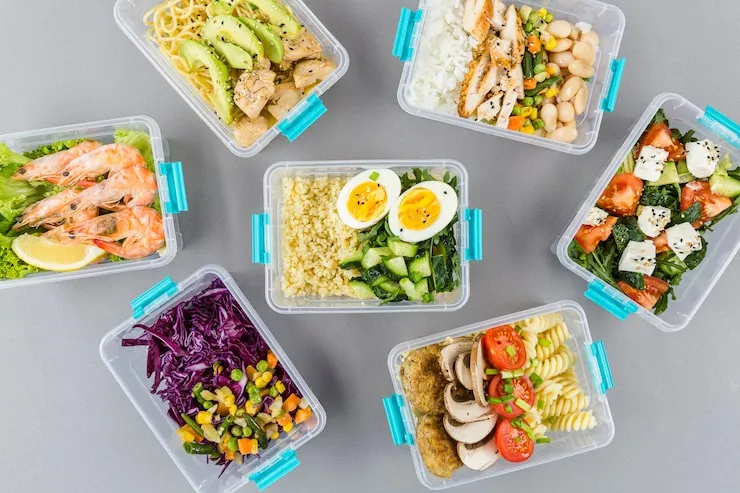
Transfer Wisely: If the original package is damaged or hard to close, transfer food to reusable airtight containers.
-
Use the Fridge and Freezer: Many plastic packages are freezer-safe. Freezing is one of the best food preservation techniques.
-
Follow the Guide: Pay attention to "best by" dates and storage instructions on the label.
Frequently Asked Questions
Q1: Is it safe to store all food in plastic?
A: Food-grade plastic designed for storage is generally safe. Avoid using thin, non-food-grade plastics (like old shopping bags) for storing food long-term. For hot foods, let them cool a bit before putting them in plastic containers.
Q2: Why do some foods last longer in plastic than others?
A: Different foods spoil in different ways. Bread molds easily from spores in the air, so a tight seal helps. Bananas naturally release a gas that ripens them, so sealing them in plastic actually makes them ripen faster! It’s all about the science of the specific food.
Q3: What’s the best way to recycle plastic food packaging?
A: Always rinse out containers to remove food residue. Check the recycling symbol and number on the bottom, then follow your local city’s recycling rules. When in doubt, throw it out in the regular trash to avoid contaminating the whole recycling bin.
Q4: Are there good alternatives to plastic for keeping food fresh?
A: Yes! Glass containers and stainless steel boxes are great reusable options. For wrapping food, beeswax wraps can be used for some items. The best choice depends on the food and the situation.