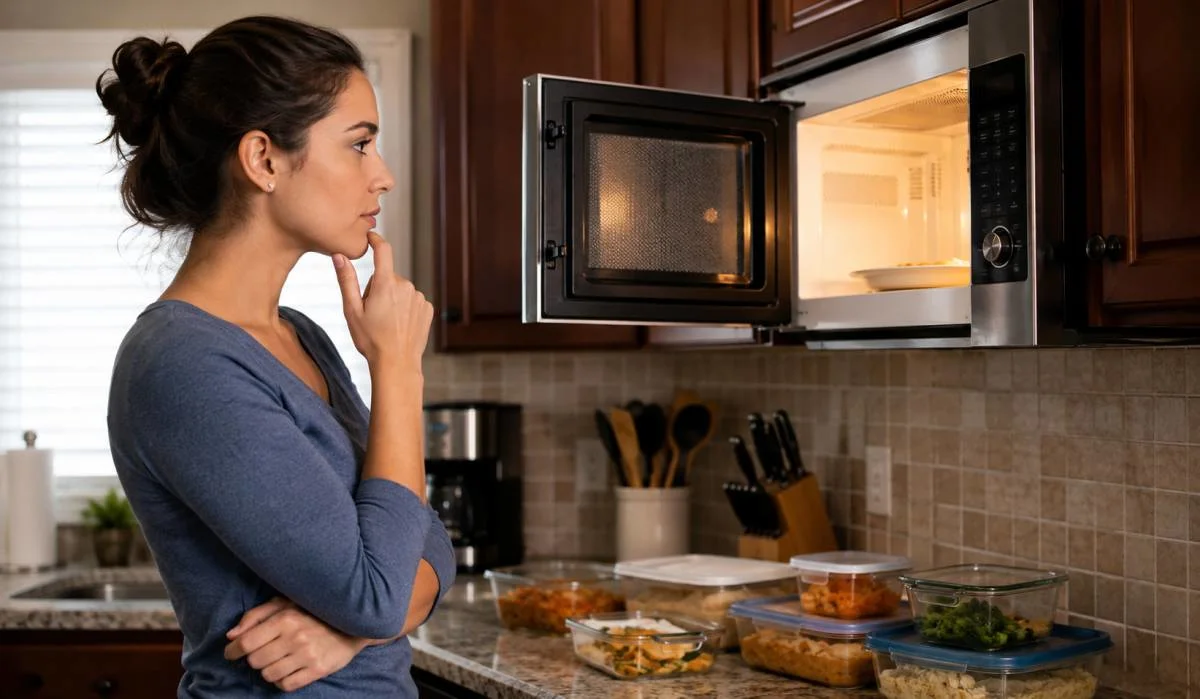
You open your fridge, and there it isa half-eaten bag of salad wilted, yogurt in the back expired, and bread that's gone hard. Wasting food doesnt feel good. It burns money, hurts the planet, and usually leaves you annoyed. But theres good news: smart plastic packaging isnt just some buzzword. Its changing how we keep food fresh, cut waste, and make daily life a little easier.
What is Smart Plastic Packaging Anyway?
Think of smart plastic packaging as the updated playbook for keeping your groceries fresh. Unlike the usual wrap or box, these packages do more than just contain your food. They track freshness, fight off spoilage, and even tell you if whats inside is still okay to eat. All of this uses some clever packaging technology that makes food last longer and saves you trips to the trash can.
- Sensors that track temperature or freshness
- Materials that fight off moisture or bacteria
- Packaging that changes color if foods going bad
- Bags that keep air outeven after you open them
This isnt science fiction. Its already in supermarkets, and it helps reduce food waste quietly, every day.
How Does Smart Plastic Packaging Reduce Food Waste?
The short answer: by keeping food fresh longer and telling you whats safe to eat, smart packaging stops you from tossing good food out of fear. Heres how it works in real life.
- Moisture-control wraps keep veggies crisp for days
- Meat packages change color if the inside goes bad
- Resealable tech makes snacks last longer, even after you open them
Ever thrown out cheese because you didnt know if that pink spot was safe or scary? Smart packaging can tell you whats still good and whats not, so you dont waste food (or play guessing games).
It Makes Your Life Easier
Less sniff-testing. Fewer science experiments in the back of your fridge. Saving money because you stop food from going bad. Thats what smart packaging brings to your kitchen table.
Is Smart Plastic Packaging Good for the Planet?
The old-school idea is that all plastic is bad for the environment. But with sustainable packaging, the picture changes. Many smart packages use less material overall, and advanced types can be recycled or made with plant-based plastics. By keeping food from spoiling, they also stop all the resources used to grow, ship, and cook that food from being wasted, too.
What Are the Down Sides?
- Some types cant be recycled everywhere yet
- A few smart features use chemicals, so check for food-safe labels
- Extra tech can make packaging pricier up front
The first time you buy active packaging, you might think, Wait, this costs more? But weigh that against the money you save not tossing out wilted salad or smelly lunch meat. For most people, it adds upand the planet benefits, too.
How Does Smart Packaging Technology Really Work?
You dont need to know all the science, but a quick breakdown helps:
- SensorsTiny chips or papers that detect gas, temperature, or bacteria
- Active layersSpecial materials inside the plastic soak up moisture or keep out oxygen
- Color indicatorsParts of the package change color if your foods gone off
- Barrier techMakes packaging tougher, so air and germs stay out
This tech starts working as soon as the food is packed. When you see a package change color or a sensor that gives a green light, its doing the hard work for you. You get longer-lasting food with far fewer headaches.
Common Mistakes People Make with Smart Packaging
- Ignoring the indicatorsIf the label turns yellow, pay attention! Its there to help.
- Assuming its a magic shieldEven smart plastic packaging cant save food if its left in the sun or stored wrong.
- Thinking everythings recyclableSmart doesnt always mean eco-friendly, so double check before tossing it in your blue bin.
- Getting lazy with expiration datesUse the tech plus common sense. Smelly or weird-looking food still means toss it.
How to Get the Most from Smart Packaging
- Store food how the package saysyoull get the best results
- Look for certification labels if you care about recycling
- Pay attention to color changes or sensors before tossing anything
- Keep an eye out for new productstech keeps getting better
Does Smart Plastic Packaging Work for All Types of Food?
Not everything needs high-tech wrappingan apple does just fine on its own. But smart packaging shines with foods that spoil quickly or cost a lot when wasted. Think:
- Deli meats and cheeses
- Fresh berries or salad greens
- Fresh fish and seafood
- Snack packs that get opened and closed a lot
The pricier or faster-to-spoil the food, the more it can help. That bag of smart-packed chicken? Probably worth it. A potato? Maybe not.
Real-Life Example: Saving Lunch and Money
Maya used to toss out yogurt every week. Since her favorite brand switched to a package that changes color when the inside turns, shes not guessing anymore. The yogurt lasts longer. So does her paycheck. And theres one less yogurt graveyard at the back of her fridge. Thats the promise of better food packaging solutions: saving food, money, and sanity all at once.
Why Smart Packaging Matters for the Future
The world wastes about a third of all food produced. Thats wild. Most of it happens after the grocery storeat home, where we cant eat things fast enough or dont store them right. By making it easier to tell whats good and eat it before it spoils, smart plastic packaging has a simple but huge impact. It helps us take better care of the foodand the planet.
Takeaway: Shrink Your Food Waste the Easy Way
Heres what matters: smart packaging isnt a gimmick. It's a real tool that helps cut waste, save cash, and make life less stressful. Try a product that features smart plastic packaging this week. See if it helps your food last longer. It's one small step, but when millions do it, the impact grows fast. Your fridge (and wallet) will thank you.
FAQs About Smart Plastic Packaging and Food Waste
- How does smart plastic packaging know when food is bad?
Some packages use sensors or special strips that react to changeslike gas or bacteria that build up when food spoils. If something goes off, the indicator changes color or sends a signal. So, you don't have to guess. The packaging gives you a warning before things get smelly or unsafe. - Is smart plastic packaging safe for my family?
Yes. Brands make these packages to be food-safe. Still, look for certification or safety logos on the packaging just like with regular containers. If youre worried about chemicals, pick packages labeled BPA-free or plant-based. When in doubt, safety info is usually on the labelif its missing, skip that product. - Is all smart packaging eco-friendly?
Not always. Some types can be recycled or are compostable, but others can't. Check the recycling symbols and local rules before throwing it out. The big thing, though, is that less food waste means fewer resources wasted from farm to table. But if you want the greenest choice, look for sustainable packaging marked recyclable or biodegradable. - Does smart packaging cost more?
It can cost a little more upfront, but it often saves money by keeping food fresh longer. Instead of tossing spoiled groceries, you eat more of what you buy. Over time, that adds up to real savingsplus less guilt from wasting good food. - Can I reuse smart plastic packaging?
Usually, these packages are made for single use, since their smart features run out after opening. But some brands are working on reusable versions. For now, alwayscheck the label. If it says one-time use, toss it after you finish what's inside to stay safe. - What kinds of food work best with smart packaging?
It works best for things that spoil quicklylike meat, fish, salads, berries, and dairy. Fruits and veggies that last ages without help might not need it. If you waste a certain food often, look for a smarter version on your next grocery run. Its an easy switch.