AI isn't just science fiction anymore. It's in your pocket, your kitchen, and even helping doctors do their jobs better. Years ago, ordering pizza with your voice felt wild. Now, that's old news. Artificial intelligence trends are everywherechanging how we live, work, and solve problems (or, sometimes, create new ones).
Wondering if you'll get left behind? You're not alone. The world of AI moves fast, but you don't have to have a tech degree to get what matters. Here's what you need to knowno confusing buzzwords or empty hype.
What Are the Biggest Artificial Intelligence Trends Right Now?
AI trends aren't just about robots doing our chores. They're about smart computer programs learning new stuff, finding patterns, and sometimes even teaching themselves.
- AI in everyday life: Smart assistants, shopping recommendations, translation apps
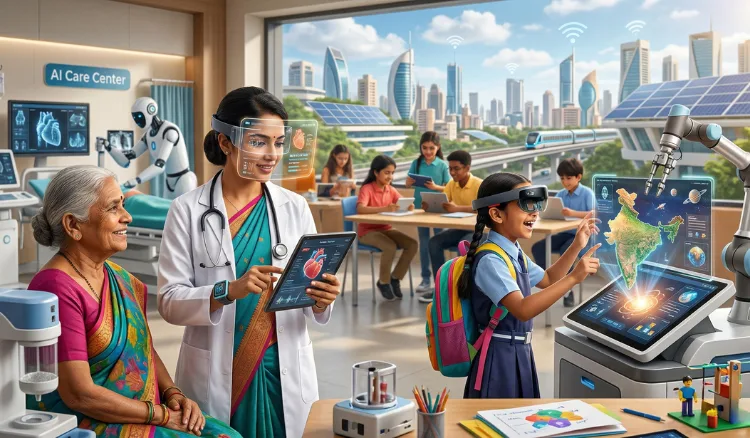
- Machine learning in healthcare: Spotting diseases early, helping doctors with tough calls
- Generative AI: Creating pictures, music, or even whole articles from a few words
- Automated vehicles: Cars, trucks, even delivery robots driving themselves (sort of)
- Dynamic data analysis: Sifting through huge piles of info in seconds
These trends matter because they're already shaping the future of AI. If you've seen a chatbot answer questions better than some people, that's AI at work, getting sharper every week.
How Are AI Advancements Changing Work, School, and Play?
Think AI is only for tech companies? Not anymore. It's helping factories run smoother, teachers personalize lessons, and even artists get unstuck when they're out of ideas. The best part? You don't need to understand computer code to use this tech.
- Work: AI sorts emails, schedules meetings, analyzes sales numbers, and more
- School: Tutors answer questions 24/7, educational games adapt to your pace
- Entertainment: Platforms suggest shows you'll actually like, not random picks
The impact of artificial intelligence is everywhere. But sometimes, it feels overwhelming. Does every job get easier? Not always. Sometimes, old routines change so fast you feel left out. That's normal. The trick is to stay curious and try new AI tools for simple tasks first. You'll build confidence over time.
Can You Trust AI? What Could Go Wrong If You Don't Pay Attention?
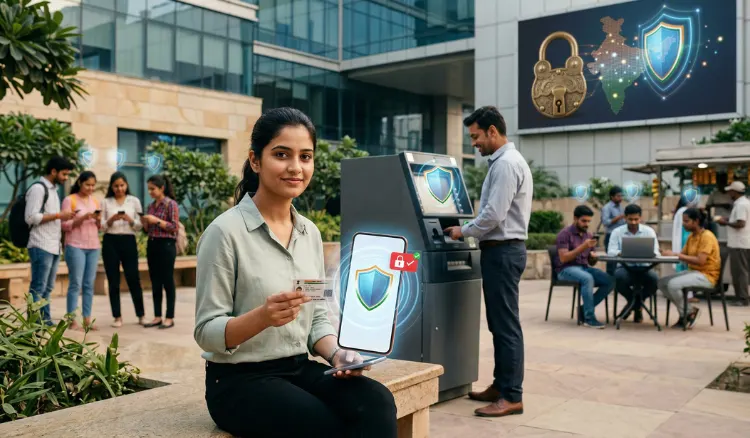
Don't believe every headlineAI isn't perfect. Sometimes it messes up, repeats the same bias, or gets facts wrong. If you use AI to write an email, check it before sending. If your bank uses AI to decide on a loan, you still want a human double-checking big decisions.
- Bias: AI can learn bad habits from old data
- Errors: Sometimes AI gives strange or flat-out wrong answers
- Privacy: Some AI apps collect more info than you'd expect
- Jobs: Some tasks disappear, but others pop up (someone has to build and test these AI tools)
The key is to use AI as a helper, not as the final judge. Stay in the loop, check results, and speak up if something feels off. This way, you're using AI to boost your skills, not replace your common sense.
What Simple Steps Can You Take to Get Ready for the Future of AI?
No need to switch careers or become a computer scientist. Little steps help you stay ahead of AI technology developments.
- Try out voice assistants for reminders, timers, and questions
- Experiment with basic AI tools for writing, art, or planning at work and home
- Take a free online class, even if it's just an hour
- Talk to friends or coworkers using AIask what helps them (and what doesn't)
- Practice double-checking answers from AI, so you spot mistakes quickly
Think about AI like a power tool. It's super useful when you know what you want to build. Start with easy stuff, get familiar, and keep an open mind. Next thing you know, AI isn't a mysteryit's just part of getting things done.
How Will Artificial Intelligence Applications Change Your Life in 5 Years?
Wild predictions? Nobody really knows, but some things are safe bets. You'll probably:
- See smarter assistants helping with emails, shopping, and calendars
- Get better maps and travel tips, as directions learn from millions of trips
- Talk to doctors who use AI to spot problems earlier and catch things humans miss
- Enjoy entertainment that feels made for youmovies, playlists, even news
- Notice jobs shiftingsome old ones go, but totally new jobs appear
It's not about robots ruling the world. It's about finding ways AI can help with real challenges and everyday tasks.
Ready to Use AI to Your Advantage? Here's What to Remember
AI isn't magic or scary. It's a bunch of math, data, and experiments growing smarter each day. The best thing you can do is try it, pay attention to what works, and learn from mistakes. You don't need to be first. You just need to start. The future of AI belongs to people willing to keep learning and adapting. Small steps now set you up for future success.
FAQ: Your Top Questions about Artificial Intelligence Trends
- What jobs could AI replace in the future?
AI might make some jobs go away, like those where you do the same thing over and over (think: data entry or sorting). But most jobs will just change, and new ones will show up. People who learn how to use new AI tools often have more options, not fewer. - Is AI already listening to me all the time?
No, most AI tools only listen when you ask, like when you say 'Hey Siri.' But it's smart to check your device settings. You can always turn off voice assistants or change what they can access, so you stay in control. - How can I learn about AI without getting lost in tech-speak?
Start with short videos or free online articles made for beginners. Focus on things you already use (like phones or social media) to see how AI fits in. You'll understand more by trying things than by reading big textbooks. - Should I be worried about AI bias?
It's good to be aware, but not scared. AI can sometimes make unfair choices, especially if it learns from old, biased data. The important thing is to double-check, ask questions, and share feedback when you spot problems. - Can AI help with school or studying?
Yes. Some tools answer questions fast, organize notes, or suggest better ways to learn. But always check answers, because AI sometimes makes mistakes. It's a helper, not a replacement for your teacher or your own thinking. - What's the easiest way to try AI at home?
Use a smart speaker, chat with a customer service bot, or play with a photo-editing app that fixes pictures automatically. Start small and simple. As you get used to it, you'll spot more ways AI can make life easier.