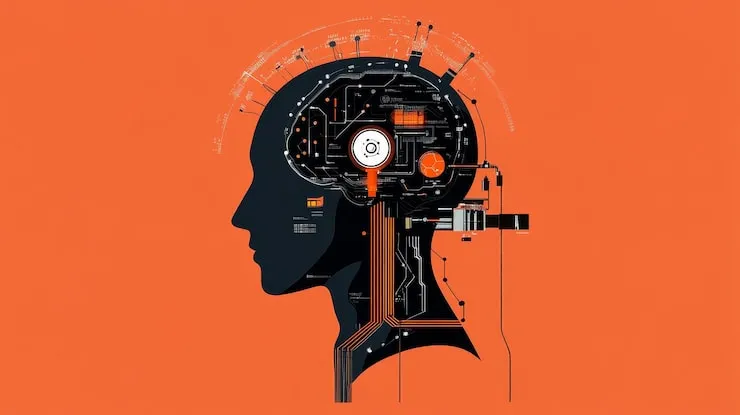
Life can feel like a busy playground sometimes. Thoughts bounce around like balls. Worries can feel loud. Many people are looking for ways to feel peaceful and pay attention better. Today, there are new tools to help. This guide explores how smart technology can support a calmer, more focused mind.
Understanding AI for Stress Relief and Focus
First, let's understand what we are talking about. "AI" stands for Artificial Intelligence. Think of it as a very helpful computer brain. It can learn patterns and offer support. The AI for Stress Relief and Focus concept uses this technology to help manage feelings and improve concentration. It is not a magic solution. It is a set of tools, like a friendly guide, available right from a phone or computer.
These tools use smart programs to understand what you might need. They can suggest a calming exercise when they notice you are stressed. Or, they can help block distractions when you need to finish homework or a work project.
How Can Technology Actually Help With Calmness?
It might seem odd. We often hear that phones and computers cause stress. But when used wisely, the opposite can be true. The right tools can create pockets of peace in a noisy world.
-
Personalized Support: A book about stress gives general advice. An AI-powered wellness assistant learns from you. It might notice you feel anxious every Sunday evening. It can then proactively suggest a relaxing Sunday routine.
-
Always Available Help: You can access this help any time, day or night. There is no need to wait for an appointment. This on-demand mental support can be a great comfort.
-
Tracking Your Feelings: Many apps help you track your mood and stress levels. Over time, you see clear patterns. You might learn that a walk after lunch makes your whole afternoon better. Knowledge is power!
Your Guide to Using AI for Stress Relief and Focus
Ready to explore? Here is a simple guide to get started. Remember, these tools are helpers, not replacements for human care or professional medical advice.
Step 1: Identify Your Biggest Challenge
What do you need most right now?
-
Is it quieting a racing mind?
-
Is it staying on task instead of getting distracted?
-
Is it falling asleep at night?
Knowing your main goal helps you pick the best tool. This is the first step in your personalized focus and calmness journey.
Step 2: Explore the Types of Helpful Tools
There are many kinds of apps and programs. Here are a few popular types:
-
Meditation and Mindfulness Apps: These are like having a meditation teacher in your pocket. They offer guided sessions for breathing, relaxation, and sleep. They use AI to recommend the perfect session for your current mood.
-
Focus and Productivity Assistants: These tools are like a friendly guard for your attention. They can block distracting websites for set periods. They use smart algorithms for time management to help you work in productive bursts with good breaks.
-
Emotional Wellness Chatbots: These are simple text-based programs you can talk to. They guide you through writing down your thoughts. This helps with processing emotions and reducing anxiety. They provide a private, judgment-free space to sort out feelings.
Step 3: Make It a Gentle Habit
You do not need to use these tools all day. Start with just five minutes in the morning or evening. The key is consistency. Trying a short guided breathing session after waking up can set a calm tone for the whole day.
Real Ways AI Tools Create Peace and Concentration
Let's look at specific features that make a difference.
-
Smart Breathing Exercises: The app might use your phone's camera to see your breathing rate. Then, it guides you to slow your breathing with a visual pulse. This is a direct technique for instant anxiety relief.
-
Focus Timers That Learn: A focus timer might learn that you work best in 25-minute blocks. It will then suggest that schedule. It will also see what websites distract you the most and help you avoid them during work time.
-
Personalized Sleep Stories: For better sleep, some apps can create custom bedtime stories. They might weave in calming details you like, such as a forest or a beach. This improves sleep quality naturally by helping your mind unwind.
Choosing the Right Digital Helper For You
With so many apps, how do you choose? Think about these questions:
-
Is it easy and fun to use?
-
Does it keep your information private and safe?
-
Do real people say good things about it in reviews?
-
Does it feel helpful, not stressful?
Start with a free version of a popular app. See if you like it before any payment.
Mixing New Tools with Old-School Tricks
The best results come from mixing technology with timeless practices. Use an app to guide your meditation. Then, practice that breathing on your own later in the park. Use a focus timer to finish your work, then reward yourself with offline play. This blend is powerful.
Answers to Common Questions (FAQs)
Is an AI tool a replacement for a doctor or therapist?
No. It is very important to know this. These tools are for support, like a practice tool. They are not for treating serious medical conditions. If you are feeling very overwhelmed, always talk to a trusted adult, doctor, or counselor.
Are these apps safe for kids and privacy?
Always check the privacy policy. Good apps are very clear about how they use your data. Parents should help kids choose reputable apps designed for their age group.
Will I become dependent on my phone to feel calm?
The goal is the opposite. These tools teach you skills. Over time, you will use the breathing or focus techniques on your own, without needing the phone. The app is a teacher, not a forever crutch.
What's a good, free app to try first?
Many well-known meditation and focus apps have strong free versions. Look for ones with high ratings and lots of downloads. This is a great way to start your exploration.
Thoughts from Experts
Many professionals see the value in these new tools. As one wellness coach noted, "When used wisely, technology gives us a new way to understand our own minds. It's like having a mirror for your habits. The real change happens when you use that knowledge to make positive choices in your real, offline life."
A child psychologist shared, "I often recommend certain mindfulness apps to families. They provide a shared language for talking about big feelings. It's a non-threatening way for a child to start understanding their own emotions."
Starting Your Journey to a Calmer Mind
The path to less stress and better focus is a personal adventure. AI for Stress Relief and Focus offers a set of modern, accessible guides for that journey. These tools are here to help you discover what works for you. hey can help you learn to pause, breathe, and direct your attention where you want it to go.
Why not try one today? You might just find a new favorite way to find your calm and get your best work done.