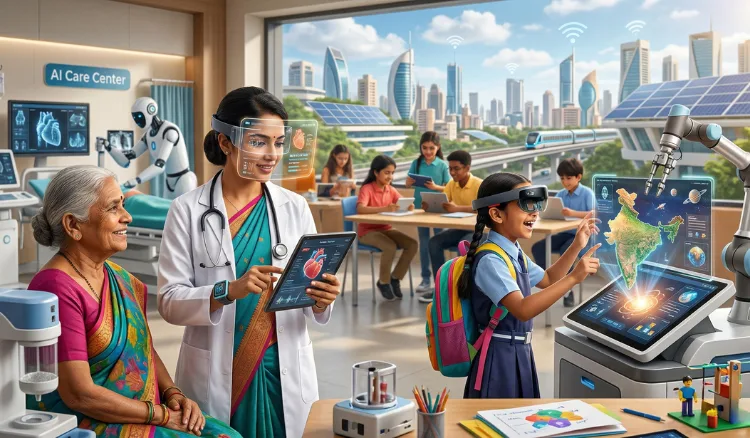
The world of technology is constantly evolving, and with it comes the promise of improved productivity tools that make our lives easier, faster, and more efficient. As we move toward 2025, we are seeing incredible advancements in AI, automation, cloud computing, and collaboration tools that will reshape how we work and interact with technology.
The best part? These tools are not just for large corporations—they’re becoming more accessible and useful for individuals and small businesses as well.
In this blog, we will explore some of the most exciting productivity tools slated to revolutionize the way we work in 2025. These tools are designed to enhance efficiency, reduce stress, and streamline daily tasks, ensuring that the future of work is smarter and more effective.
1. AI-Powered Personal Assistants
AI has already started to change how we manage our daily tasks, but in 2025, we’ll see even more powerful AI-powered personal assistants that can anticipate our needs and automate complex workflows. Imagine a personal assistant that not only manages your calendar but also suggests optimal meeting times, drafts emails, analyzes data, and even makes decisions on your behalf.
Key Features to Look Forward To:
-
Context-Aware Scheduling: AI assistants will analyze your work habits, prioritize tasks, and automatically schedule meetings or reminders based on your preferences and availability.
-
Smart Email Sorting: AI can categorize emails, suggest responses, and even draft them for you, saving countless hours spent on communication.
-
Advanced Voice Interaction: You will be able to engage with these assistants in a more conversational manner, making it easier to get things done on the go.
Tools like Google Assistant, Siri, and Amazon Alexa have already begun integrating AI to assist with basic tasks, but by 2025, these assistants will become far more sophisticated, almost like a virtual co-worker who’s always at your service.
2. Virtual Collaboration Platforms
The trend of remote work and virtual collaboration is here to stay, and by 2025, we will see virtual collaboration platforms that are more immersive and feature-rich. Gone will be the days of laggy video calls or static project management tools. Instead, businesses and teams will rely on dynamic platforms that integrate seamlessly with other tools to enhance teamwork, productivity, and communication.
Features You Can Expect:
-
Virtual Reality (VR) Workspaces: Imagine sitting at your desk in a virtual office, collaborating with team members in real time, as if you were all in the same room. VR and augmented reality (AR) tools will make it possible to work on virtual whiteboards, share documents, and even have face-to-face discussions in a digital environment.
-
AI-Driven Project Management: Project management software will leverage AI to track progress, predict potential delays, and suggest improvements in real time.
-
Seamless Integration: These platforms will integrate with cloud services, email systems, and other business tools so you don’t have to jump between different applications.
Microsoft Teams, Slack, and Zoom are already popular collaboration tools, but in 2025, expect them to incorporate more immersive and intelligent features that will make remote working more interactive and productive.
3. Automated Workflow Tools
Automation is a huge trend that will continue to grow in the coming years. Automated workflow tools are designed to handle repetitive tasks and streamline business processes, allowing you to focus on more important work. Whether you’re automating email responses, data entry, or content publishing, these tools will save you significant time and effort.
What to Expect from Workflow Automation in 2025:
-
No-Code Automation: By 2025, you won’t need to know how to code to automate your workflows. Tools like Zapier and Integromat already make it easy to automate tasks by connecting various apps. In the future, expect more no-code platforms that empower non-technical users to automate their processes effortlessly.
-
AI-Powered Task Delegation: Workflow tools will use AI to identify which tasks can be automated, and then they’ll assign those tasks to the right digital assistants or automation tools.
-
Cross-Platform Integration: Automating workflows between different platforms—like integrating your CRM with your email marketing system—will be seamless, further increasing productivity.
In 2025, automation tools will allow you to design and automate entire workflows across various departments, from sales to HR to marketing, improving efficiency and accuracy.
4. AI-Based Data Analysis Tools
Data is essential in making informed business decisions, but interpreting vast amounts of data can be time-consuming and complex. In 2025, AI-based data analysis tools will be more accessible and intuitive, enabling anyone to make data-driven decisions, even without advanced technical skills.
Features of AI-Driven Data Analysis:
-
Real-Time Insights: AI will analyze your data and provide real-time insights, helping you make decisions faster. Whether you’re looking at sales trends, customer behavior, or market analytics, AI tools will give you actionable data that’s easy to interpret.
-
Predictive Analytics: AI will use historical data to predict future trends, allowing you to anticipate changes in the market, customer behavior, or business performance.
-
Automated Reporting: Forget about manually creating reports. AI will automatically generate and deliver reports to your inbox or team members, saving valuable time.
Tools like Tableau and Google Analytics are already incorporating AI, but by 2025, the power of AI will be even more integrated into these platforms, allowing you to get smarter, faster insights for your business.
5. Cloud-Based Task Management and Organization Tools
Cloud technology has already transformed the way we store and share documents, but in 2025, cloud-based task management tools will evolve into powerful hubs for organizing your entire workflow. These tools will allow you to plan projects, assign tasks, track progress, and collaborate with ease, all from one central platform.
What to Expect from Cloud-Based Task Management Tools:
-
Intelligent Task Prioritization: Tools will use AI to automatically prioritize your to-do list based on deadlines, importance, and project dependencies.
-
Cross-Device Accessibility: Whether you're working from your desktop at the office or your phone on the go, cloud-based tools will sync seamlessly across all devices.
-
Real-Time Collaboration: Cloud platforms will offer instant messaging, video conferencing, and task assignment all in one place, so team members can collaborate on projects without switching between apps.
Trello, Asana, and Monday.com are already popular task management tools, but by 2025, these platforms will become even more intuitive, with AI helping to keep you organized and on track.
6. Advanced Video Conferencing Solutions
Video conferencing has become a crucial aspect of remote work, and in 2025, we will see advanced video conferencing tools that are more immersive and efficient than ever before. These tools will go beyond simple video calls and provide a more dynamic and engaging experience.
Features of Advanced Video Conferencing Tools:
-
AI-Powered Background Noise Cancellation: Background noise will be filtered out automatically, allowing for clearer and more professional meetings.
-
Virtual Meeting Spaces: Imagine entering a digital meeting room where you can interact with colleagues using avatars, whiteboards, and 3D presentations.
-
Real-Time Translation and Subtitles: Video conferencing tools will offer real-time translation and subtitles, making global collaboration easier than ever.
By 2025, tools like Zoom and Google Meet will offer these enhanced features, making virtual meetings feel more like in-person interactions.
7. Smart Office Equipment
The future of the workplace won’t just be about software—hardware will evolve too. Smart office equipment, such as AI-powered printers, voice-activated devices, and automated lighting systems, will help enhance productivity and reduce friction in everyday tasks.
What’s Coming in Smart Office Tech:
-
Voice-Activated Workstations: Imagine dictating emails, setting reminders, or even controlling your computer with voice commands. This will be common in offices by 2025, making multitasking easier and faster.
-
Automated Document Management: Smart printers and scanners will automatically categorize, store, and share documents, saving you time on administrative tasks.
-
Ergonomic Workstations: Advanced desks and chairs will use sensors to track your posture and offer real-time suggestions for improving ergonomics, reducing fatigue, and increasing comfort.
These innovations will not only improve productivity but also make workspaces smarter, safer, and more efficient.
Conclusion: The Future of Productivity in 2025
The future of productivity tools is incredibly exciting, and 2025 promises to bring a wealth of new technologies designed to help us work smarter, not harder. From AI-powered personal assistants to virtual collaboration platforms, workflow automation tools, and cloud-based task management, the productivity tools of the future will change the way we approach our work.
As these tools evolve, they will become more intuitive, intelligent, and integrated into every aspect of our work lives, enabling us to get more done in less time. Embracing these advancements will not only increase your personal productivity but also improve team collaboration and business performance.
So, get ready for 2025—the future of work is here, and it’s more exciting than ever.