If you've used your phone to check the weather or asked a smart speaker to play your favorite song, you've already met artificial intelligence. Now multiply that by a billionthe scale we're talking about with global AI development. It's not just Silicon Valley or some sci-fi movie; this is happening everywhere. And it's bringing opportunities that most people haven't even thought about yet. Let's break down what all this means, why it's big, and what you can actually do with it.
What Does Global AI Development Actually Mean?
When people say "global AI development," they're talking about how AI is showing up in every country, in hundreds of ways, and in industries you might not expect. It's apps in India that diagnose eye problems. It's farms in Brazil using smart robots to sort coffee beans. It's even small shops in Europe predicting what customers might buy next week.
- AI industry growth: New jobs and tools popping up from Tokyo to Nairobi
- International AI trends: Governments racing to set smart rules
- AI technology advancement: Big leaps in what machines can do
Why does this matter? Because it's not just tech giants raking in cash. Regular people and local businesses can get in on the action too. It means more helpful apps, better products, and sometimes, entirely new careers.
Why Are Companies So Obsessed With AI?
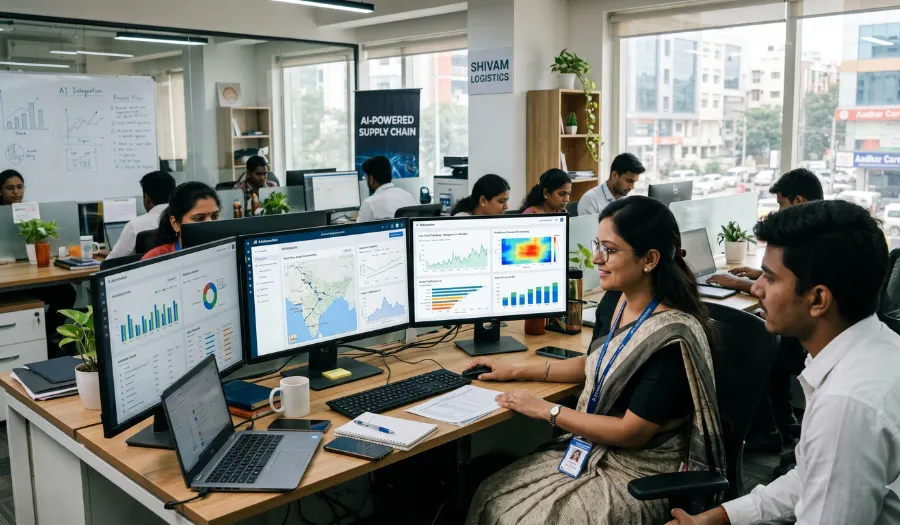
Here's the simple answer: AI can save time and money while making things smarter. Imagine you're running a clothing store. Before, you'd guess what shirts would sell. Now, with AI, you get real numberswhat colors are hot, which sizes people want, and even when to run sales.
This isn't limited to shops. Doctors use AI to spot diseases. Banks use it to fight fraud. Movie studios try to predict what will be a hit before filming even starts. Most companies see AI as a shortcut to better decisions. But there's a catchif you don't understand what the tech is really doing, you can mess up fast (think of the classic story: data mistakes, or a robot recommending the wrong item to everyone).
What New Opportunities Come from Global AI?
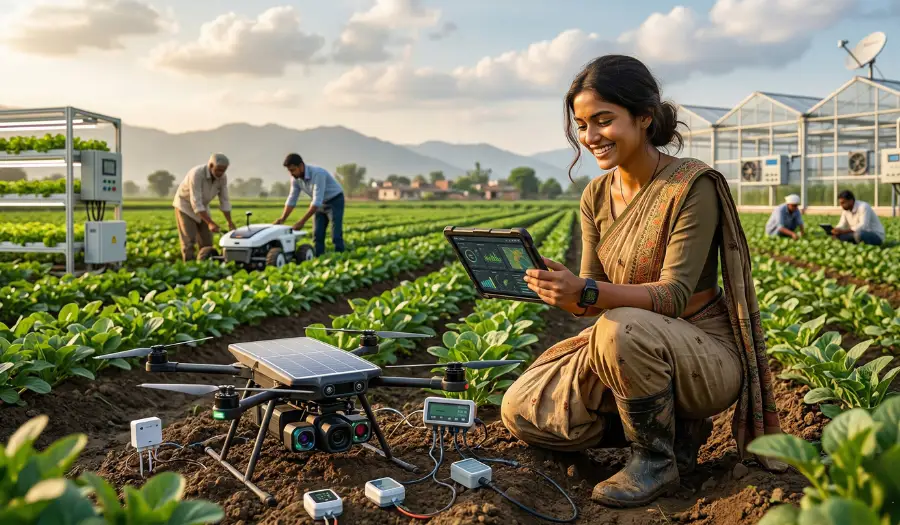
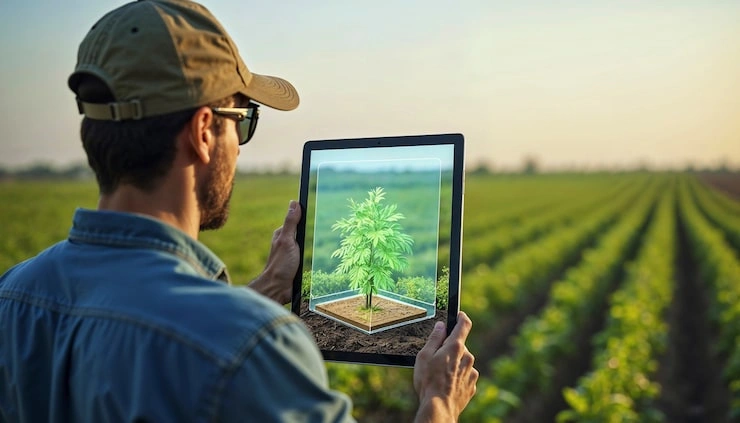
Some of the biggest wins are where you least expect. Farmers use drones to check crops. Artists play with AI tools to make music or paintings unique to each listener. Even teachers are using chatbots to help kids learn at their own pace.
Here's what these new doors look like:
- Smarter jobsNot just coding! Think of people who explain what AI can and can't do for a business
- New businessesLike apps that give farmers weather alerts, or bakery robots that bake bread at the perfect time
- Global reachA kid in Kenya can sell an AI-based app to someone in France overnight
- Faster learningTeachers and doctors getting smarter help, faster
The upside? If something's boring, repetitive, or confusing, AI is probably getting ready to make it faster or easier.
What Are the Risks of Growing this Fast?
It's not all sunshine. When things move fast, mistakes happen. Here are some real worries:
- BiasIf AI learns from bad data, it can make unfair decisions
- Job worriesSome jobs might change or disappear
- PrivacyPeople's info sometimes gets used in ways they don't expect
- OverhypeNot every AI promise is real (those robot butlers aren't coming tomorrow)
The fix? Don't believe every promise. Ask: "How does this work?"; "Who checks for mistakes?"
How Can Small Businesses and Regular People Benefit?
You don't need to own a tech company to win here. Here's where to start:
- Try AI-powered apps that save time (scheduling, translation, budgeting)
- Learn the basicsfree online courses or YouTube are full of simple explainers
- Join conversationsCities and schools are launching AI talks and workshops
- Watch for changes in your fieldYour next job might need basic AI know-how
One coffee shop owner I know started using an AI tool to predict busy days. Now she orders exactly the right amount of milk and pastriesnot too much, not too little. She's saving money every week, and customers are happier because everything is fresh.
Where Is the Global AI Market Headed Next?
Experts say the global AI market will keep explodingbillions of dollars, more jobs, weirder innovations. But here's the thing: nobody knows exactly where it goes next. That's part of what makes this exciting (and sometimes a little scary).
- Tech will get even smarter (think AI that understands you, not just your words)
- More countries will start building their own AI (not just the US or China)
- Businesses will have to keep learning, or risk getting left behind
If it all sounds like too much, remember: Nobody's an expert in everything. The best move is to get comfortable learning as things change.
What Should You Do Right Now?
Start noticing where AI is already sneaking into your life. Try something new. Ask questions about the tools you use. No one has it all figured out, but that's the fun part. The more you know, the more you can spot a real opportunity when it shows up.
FAQ
- What is global AI development, and why does it matter?
Global AI development means that artificial intelligence is being created and used all around the world, not just in one place. It matters because it helps people from different countries come up with better solutions for real-life problems. - How can small businesses use AI to grow?
Small businesses can use AI for things like tracking inventory, answering customer questions, or making marketing easier. Some tools are free or cheap, so you don't have to spend a lot to get started. - Are new jobs being created because of AI?
Yes! AI is creating jobs for people who know how to use or manage these tools, but also for trainers, artists, teachers, and even people who just help explain what AI does. Some old jobs might change, but new careers are popping up as AI grows. - What are some risks with using AI?
The main risks are mistakes if the data is bad, unfair decisions if the AI isn't watched closely, and privacy if your info isn't kept safe. Always check how an AI tool works before trusting it with important stuff. - Do I need to know how to code to use AI?
No! Many AI tools today have simple buttons or instructions. You can use them without being a computer expert. If you're curious, there are also easy courses online to help you learn more. - How will AI change in the next few years?
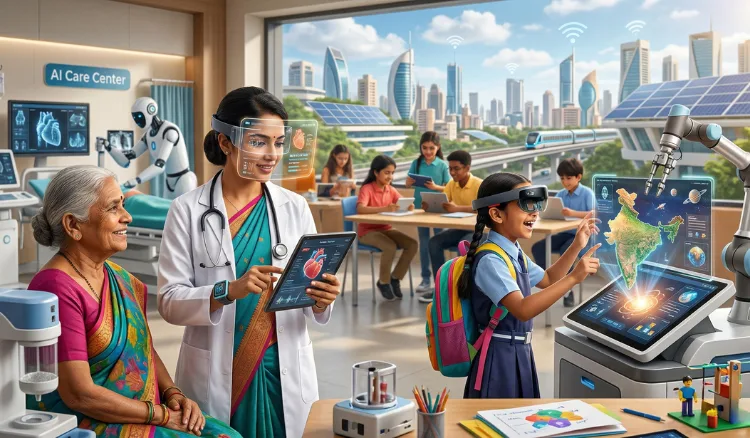
AI will keep getting better at understanding people and handling tasks. It's likely to show up in more placeslike healthcare, schools, and small shops. The changes will be different around the world, but everyone will get a chance to try new things.