Your phone dings. Another weird login alert. Maybe it's nothing, but it nags at you. Did someone really try to hack your email? You shrug it off, hoping your password is strong enough. Most folks hope for the best and forget about it. But with data leaks and scams everywhere, ignoring cybersecurity measures is like leaving your front door wide open.
If you want to keep your files, photos, and business safe, you need a few solid moves to fight off the bad guys. Let's break down the real stuff you can do without needing a computer science degree.
What Are Cybersecurity Measures, Anyway?
Think of cybersecurity measures like locks, alarms, and fences, but for your online stuff. They're the steps and tools you use to keep hackers out of your personal data, accounts, and even your Wi-Fi. It's not just about antivirusit's a mix of habits and gadgets that work together.
- Passwords (the real kind, not '123456')
- Two-factor authentication (that little code you get on your phone)
- Keeping software updated (yes, those annoying update popups matter)
- Watching out for suspicious emails or links
- Backups for your files (so you don't cry if something goes wrong)
Using these isn't about paranoiait's about staying one step ahead. Hackers love easy targets. Don't give them the chance.
How Do Cyber Threats Really Sneak In?
You don't need to be famous to get targeted. Scammers go after everyone. Sometimes it's a sketchy email pretending to be your bank. Maybe it's an app you downloaded without reading reviews. Or you connect to free Wi-Fi at a coffee shop, thinking it's harmless. That's how cyber threats get a foot in the door.
Some common ways:
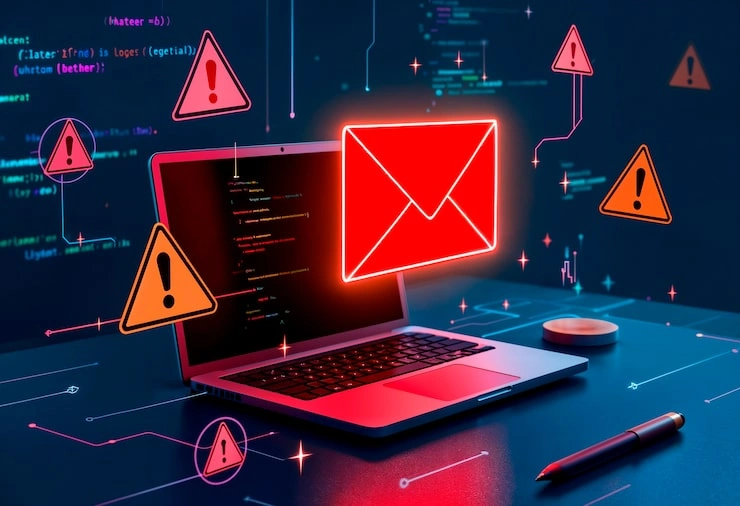
- Phishing: Fake emails or texts that trick you into giving up info
- Sketchy downloads: Files that promise something cool, but hide malware
- Weak passwords: Hackers guess them or use info from social media
- Unpatched software: Old versions make you easy to hack
It's annoying, but with a few smart moves, you can block most of these before they even start.
Network Security at Home: Simple Fixes
Your home Wi-Fi is like your front gate. You don't want strangers wandering in. Setting up network security doesn't have to be complicated. Most folks trip up by using the same password for everything, or never changing the one that came with their router.
- Change your router's default login the second you set it up
- Create a strong password for your Wi-Fi (and don't write it on a Post-It)
- Turn on automatic updates for your router
- Disable features you don't use (like remote access)
- Set up a guest network for visitorsthey don't need access to your main stuff
If you're stuck, ask a techy friend for help. Or, look up your router modelthere are tons of easy guides. The hardest part is getting started, but it's worth it for peace of mind.
Data Protection: What Should You Back Up?
If you've ever lost your phone or spilled coffee on your laptop, you know how bad it feels. Data protection is about making sure you don't lose the stuff you care about, even if your device bites the dust or gets hacked.
- Back up important files to the cloud or an external drive
- Keep copies of your passwords (use a password manager, not sticky notes)
- Regularly delete files you don't need
- Encrypt sensitive stuff if you're keeping it locally
The first time you set up regular backups or get a password manager, it feels like a chore. But once you've done it, you won't worry about losing everything in one bad day.
Information Security at Work: Are You Doing Enough?
Work computers and files are gold mines for scammers. Information security at your job matters for you and your coworkers. Most leaks happen because someone makes a small mistakelike emailing the wrong person or falling for a fake invoice.
- Don't share passwords with anyone, not even your boss
- Lock your screen when you walk away (even for a second)
- Check email addresses closelyhackers love to fake them
- Report anything weird, even if you're not sure it's a big deal
Bosses should train their teams (quick, boring slide decks work), but you can protect yourself by paying attention and double-checking before you click send.
Endpoint Security: Protecting Phones, Tablets, and All the Rest
It's not just about your laptop. Endpoint security means keeping all your devices safephones, tablets, even old iPods. If one gets hacked, it can lead straight to the others.
- Set up a PIN or fingerprint lock on every device
- Update your system and apps regularly
- Delete apps you don't use anymore
- Turn on 'find my device' features
It sounds simple, but it's easy to skip. Trust me, I learned the hard way when my old phone got stolen and I hadn't set up a lock. The headache of changing all my passwords was not fun. Don't make my mistake.
What's the Real Hard Part About Protecting Yourself?
The hardest part? Keeping up with it all. It's messy and annoying to remember every update, password, and setting. Sometimes, you just want to ignore the alerts and get on with your life. That's totally normal.
Here's how to make it work even if you're not a techie:
- Automate updates and backups whenever you can
- Use a password managerit's a lifesaver
- Ask friends or family to spot-check your setup once a year
- Don't beat yourself up if you mess upjust fix it when you notice
Treat online safety like brushing your teeth: Do a little, regularly, and you'll avoid big pain later. It's not about perfection, it's about making things harder for the bad guys.
Takeaways: Making Cybersecurity Measures Work for You
You don't need to become a security expert. A few smart stepsstrong passwords, backups, double-checking weird messageswill make you way safer than most people. Hackers want easy wins. Don't be one of them.
Start today: change one weak password, back up your favorite photos, or lock your phone. That's it. Next week, add another step. Before you know it, you'll have your own simple system that keeps your stuff safe and lets you sleep better.
FAQs About Cybersecurity Measures
- What are the most important cybersecurity measures for beginners?
Start with strong passwords, enable two-factor authentication, keep your devices updated, and don't click on suspicious links. These four steps block most common hacks and are easy for anyone to set up with a bit of help. - How often should I back up my data to stay safe?
Backing up is best done at least once a week. If you work with important files every day, back up even more often. Use an automatic backup tool so you don't have to remember every time. - Can antivirus apps stop all cyber threats?
No, antivirus helps but isn't magic. It can block viruses and some malware, but you also need good habits like not opening weird attachments or visiting unsafe sites. Use antivirus as a helper, not a cure-all. - What should I do if I think my account was hacked?
Change your password fast, check your account activity, and turn on two-factor authentication. Tell your contacts not to trust strange messages from you. If you're stuck, ask support for help. Time matters here, so dont wait. - Is public Wi-Fi safe for important work?
Public Wi-Fi is risky because hackers can spy on what youre doing. If you must use it, avoid sensitive stuff like banking. Use a VPN if possible, but best bet is to save private work for your home or mobile data connection. - Why do I need different passwords for everything?
If you reuse passwords, a hacker who gets into one account can get into all of them. A password manager can remember them all for you, so yu only need to remember one strong password instead of a million.