Board exams loom large for every student. The pressure builds up fast. But here's the truth—you don't need coaching classes to shine. I've seen friends ace their boards with home study alone. They focused on smart habits, not fancy tutors. This article walks you through how to prepare for board exams without coaching. We'll cover real steps that work. Think simple routines, free tricks, and steady effort. No overload, just practical advice anyone can follow. By the end, you'll have a clear path to top scores. Let's get started and make those exams less scary.
Make a Smart Study Plan

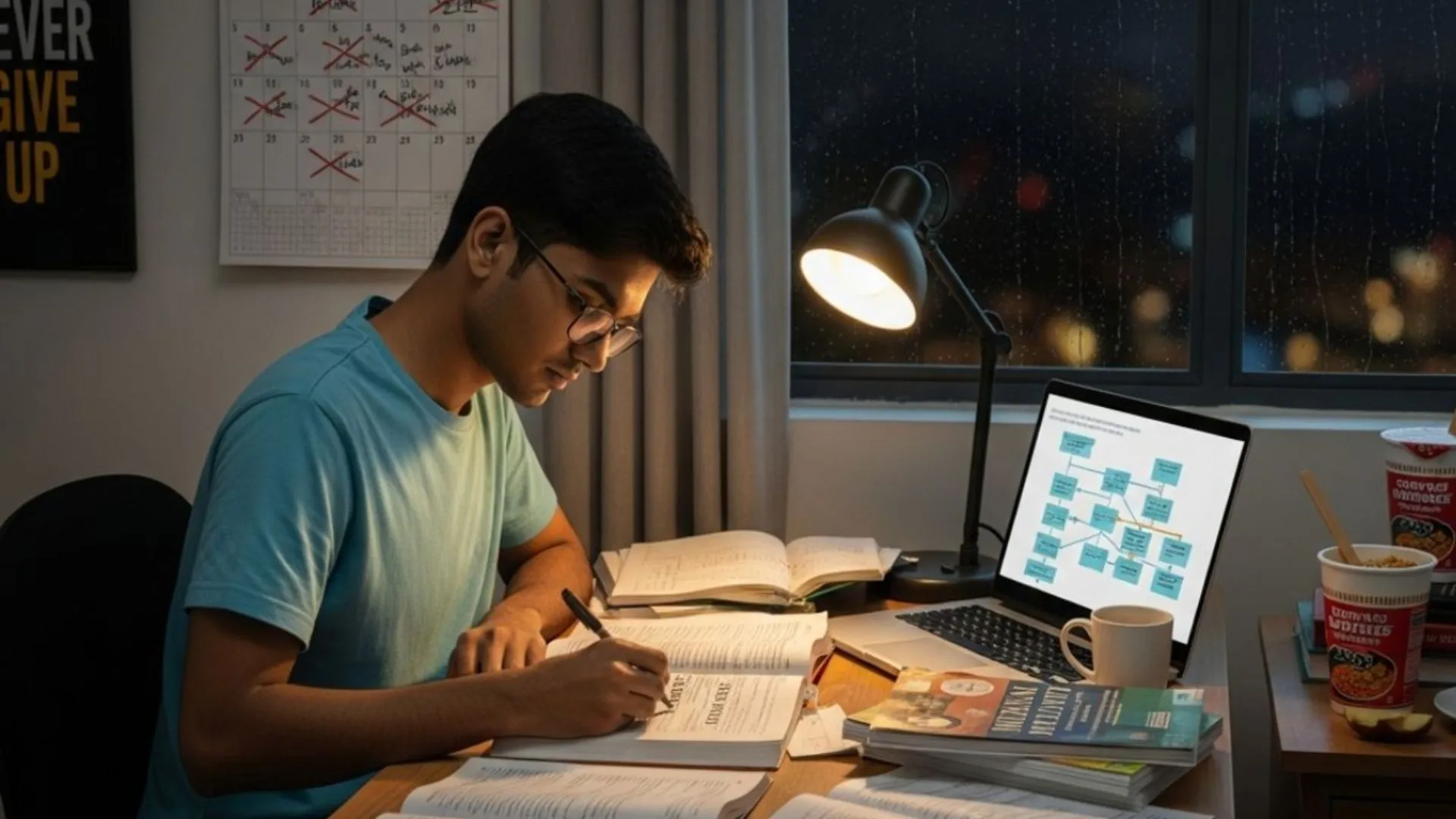
Grab a calendar or plain notebook right now. List all subjects and chapters. Count the days left till exams—say 90 days. Divide chapters evenly. Aim for 2-3 per day in strong subjects, more in weak ones. Morning for new learning, evening for quick review. Pencil in breaks every hour. Life happens, so build in buffer days for surprises like family events. Picture this: Monday math chapter 1 and 2, Tuesday physics basics. Check off what you finish. If you miss a day, don't panic—just shift forward. Weekly, scan the whole week. Did you cover 80%? Good. Adjust next week. This plan feels like a roadmap, not a chain.
Add fun: Color-code subjects—blue for science, green for languages. Share your plan with a family member for accountability. They can ask "How's chapter 5 going?" Track sleep too—7-8 hours nightly keeps you sharp. Eat simple meals with fruits and nuts. Avoid junk that fogs your brain. Plans fail when they're too tight. Start loose, tighten as you go. In two weeks, you'll move smoother. Friends who topped boards swore by this. One guy planned around his cricket practice—still scored 95%. Yours can fit your world too. Test the plan with a trial week. Note energy levels. Too tired? Cut an hour. Too easy? Add practice. This custom fit beats any coaching schedule. Stay flexible but firm.
Key Takeaway: Your personal study plan fits like a glove—tweak it weekly for steady wins.
Read Also: EEE Scholarship: How Haryana Rewards Academic Excellence
Gather Your Study Tools
Rummage through your shelf. Textbooks are gold. Past papers from last five years? Print or copy them. Notebook for rough work, another for neat notes. Highlighters in three colors—yellow for key facts, pink for formulas, green for examples. Sticky notes for quick reminders on walls.
Quiet corner matters. Desk by window, chair that doesn't slump you. Fan or AC if hot. Phone? Silent mode, apps blocked during study. Use it for timers only. Free videos online break down hard parts—search "simple explanation for [topic]". No ads, just 10-minute clips.
Make summary sheets. One page per chapter: bullet points, diagrams, tough questions. Laminate if possible. Flashcards for dates or vocab—write question front, answer back. Flip through while eating breakfast.
Old school notes from seniors? Borrow if helpful. Ruler for neat tables in economics. Whiteboard for math problems—erase and redo. These cost pennies but build speed.
Organize in boxes: one per subject. Label clear. No hunting time. This setup screams efficiency. I remember scrambling without it—pure waste. Now, grab and go.
Tools Table: Quick Start Kit
| Tool | Why It Helps | How to Use |
|---|---|---|
| Textbooks | Core content | Read actively, underline once |
| Past Papers | Exam pattern | Solve weekly, check answers |
| Highlighters | Spot key info | Color-code during first read |
| Flashcards | Quick recall | Review 20 daily, quiz self |
| Summary Sheets | Fast revision | One per chapter, wall or folder |
This table keeps it simple. Build yours today.
Key Takeaway: Home tools like past papers fuel board exam preparation tips without spending a dime.
Master Self-Study Strategies
Sit straight, open book. Read slow first time. What’s the big idea? Jot in margin. Second read, note details. Rewrite in simple words—no copying. For biology, sketch cells. History? Timeline on paper. This active way sticks better than passive staring. Pomodoro rocks: 25 minutes hard focus, 5-minute stretch. Timer beeps—move. Four rounds, then 30-minute break. Brain loves it. Explain aloud what you learned. Pretend teaching a kid brother. Gaps show fast—fix them.
Mind maps shine for big topics. Center bubble: "Photosynthesis". Branches: process, factors, equations. Colors make it pop. Practice answers full length. Time it—3 hours for full paper. Mark strict, like examiners. Weak spots? List them. Tackle one daily. Stuck on quadratic equations? Solve 20 extras. Wrong? See why, redo. Daily revision: 30 minutes yesterday's work. Weekly: full chapter recap. Group study once a week—two friends, discuss doubts. No chatting off-topic. Rotate homes. This sparks new angles without coaching. Mix senses: read, write, speak, draw. Boredom killer. Track in diary: "Today nailed triangles". Builds pride. Skip if tired—quality over hours. Real story: My cousin used this, jumped from 60% to 92%. No magic, just strategies.
Self-Study Daily Checklist
-
Active reading done?
-
Notes rewritten?
-
25 problems solved?
-
Aloud explanation?
-
Quick quiz self?
Tick off, feel good.
Key Takeaway: Hands-on self-study strategies like mind maps turn confusion into confidence.
Build Effective Study Routines
Rise early—brain's fresh till noon. 6 AM start: wash face, light breakfast. 7-9 AM: hardest subject. Solve problems fresh. 9:15-11:15: next tough one. Break for lunch, walk 10 minutes. Afternoon dip? Power nap 20 minutes. 2-4 PM: lighter subjects, theory reading. Make notes. 4:30-6 PM: practice questions. Evening: 7-8 PM review only—no new stuff. Wind down with light read.
Here's your routine blueprint:
-
6-9 AM: New chapters + problems (focus mode)
-
2-4 PM: Theory + notes (build mode)
-
7-8 PM: Revise + flashcards (lock-in mode)
-
Breaks: Walk, water, snack every 50 mins
Sleep by 10 PM. No screens after 9. Weekends: full mock test Saturday morning. Analyze Sunday. Reward: movie or game. Habits stick with cues. Alarm for start, tea for break. Track mood—happy days mean good routine. Tired? Shorten, don't quit. Family help: Mom checks if you're on track. Dad times tests. Their pride motivates. One month in, routines feel natural. Scores climb. Friend did this, beat coaching kids. You can too. Adjust for your rhythm—night owl? Shift later. Key: daily, not perfect.
Key Takeaway: Locked-in effective study routines make studying automatic and fun.
Practice with Mock Tests
Mocks mimic real exams. Start now. Full syllabus paper every Sunday. Strict timing—no peeking clock extra. Use past years. Quiet room, no help. After, mark papers yourself. Use official keys. Score low? Fine, learn. Note mistakes: careless? Reread. Concept gap? Back to books. Weak section? Extra time there. Aim 10-15 mocks total. First few build stamina. Later ones sharpen speed. Target 90% by end. Analyze trends—what improves?
Mock Test Analysis Table
| Test # | Score | Strong Subjects | Weak Areas | Action Plan |
|---|---|---|---|---|
| 1 | 65% | English | Math Ch 4 | 20 problems daily |
| 5 | 82% | Science | History dates | Flashcards + timeline |
| 10 | 94% | All | Time mgmt | Practice faster writing |
- Fill this after each. Spots patterns quick.
- Write neat—examiners love it. Full sentences, underline headings. Time per question: divide marks by total time.
- Post-mock, relax. Walk or chat. Don't dwell on bad scores—they teach most.
- Group mocks with friends. Swap papers to mark. Honest feedback gold.
- This habit alone boosts 20-30 marks. toppers do 20 mocks. You do 12, still ace.
- Key Takeaway: Regular mocks with analysis turn practice into exam-day power.
You May Also Like: Affordable Secrets to Best Plan for Children's Education
Handle Stress and Stay Healthy
Stress sneaks up. Spot signs: can't sleep, snaps at family. Fix fast. Breathe deep—4 seconds in, 4 hold, 4 out. Do 5 minutes daily. Walk 30 minutes evening. Sunlight clears head. Eat brain food: nuts, yogurt, greens. Skip soda, chips. Water bottle always—dehydration kills focus. Sleep ritual: dim lights, no phone.
- Talk it out. Share fears with sibling or parent. "I'm scared of failing." Words lift weight. Journal worries—write, then solutions.
- Positive vibes: Recall past wins. "I aced that test." Visualize exam success—sitting calm, writing smooth.
- Distractions? Phone in drawer. Tell family "study time, no calls." Short fun breaks: music 10 minutes.
- Healthy body, sharp mind. Yoga poses like tree or forward bend—5 minutes morning. Builds calm.
- During crunch time, cut social media. One worry less. If overwhelmed, one day light study.
- I knew a girl—stressed to tears. Added walks, talks. Scored 98%. Health first.
Stress Buster Tips
- Deep breathing 3x daily
- 30-min walk
- Journal 5 mins night
- No screens pre-bed
Simple, game-changing.
Key Takeaway: Beat stress with breath, walks, and talks—healthy you scores higher.
Revise Smart in Final Weeks
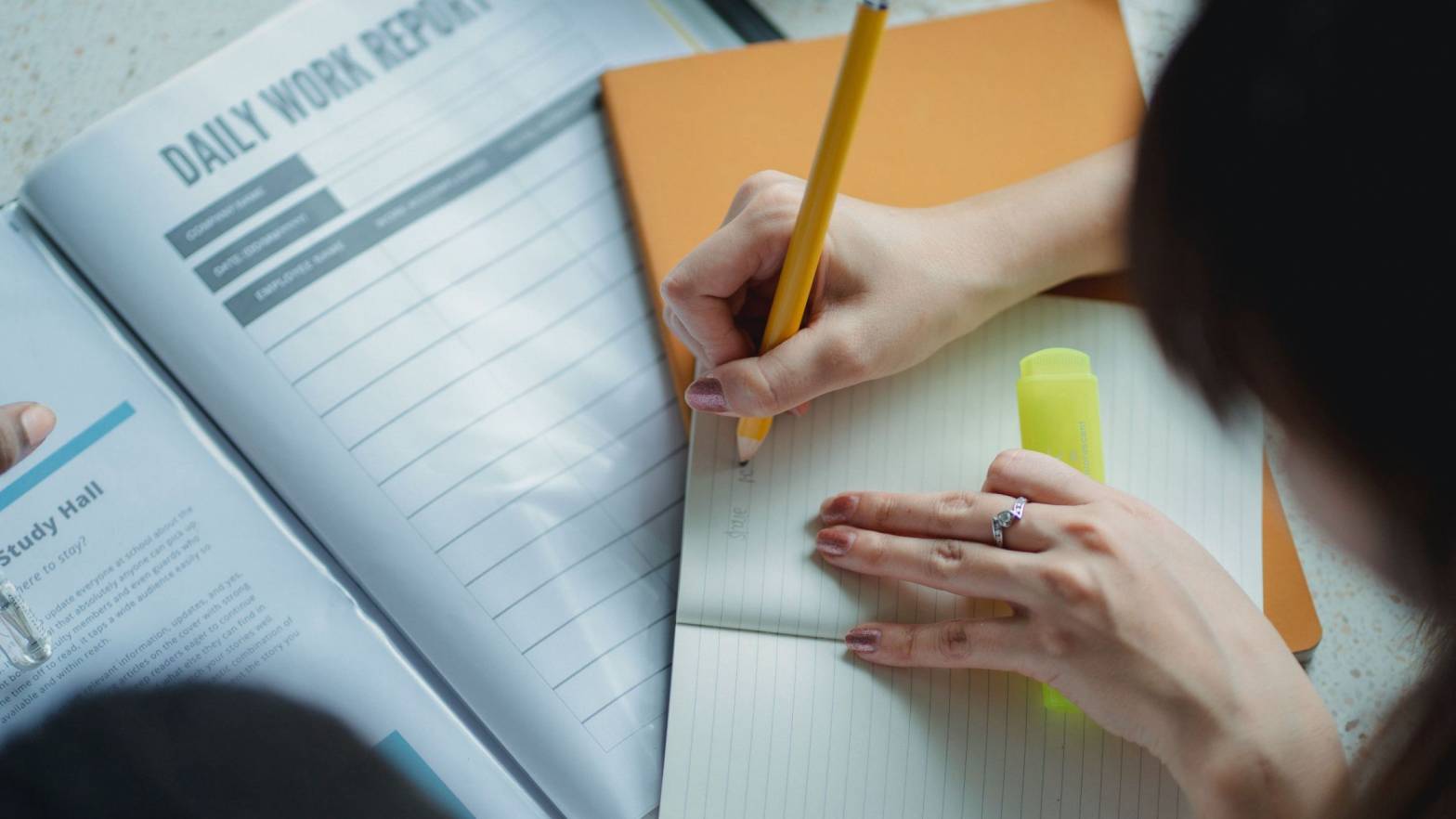
- Last month: revision only. No new chapters. Daily cycle: morning subjects 1-3, afternoon 4-6, evening all flashcards.
- One-week sprints: Monday-Wednesday science full. Thursday-Saturday languages. Sunday mock.
- Formula sheets everywhere. Recite while brushing teeth. Group similar topics—algebra with geometry.
- Error log: All past mistakes in one notebook. Review daily. Teaches avoidance.
- Light mocks: Half papers, focus speed. Neat writing practice.
- Sleep more now—brain sorts info at night. Eat light dinners.
- Friends quiz each other. Fun revision.
- This phase cements knowledge. Feels easy when done right.
- Key Takeaway: Targeted revision locks in every detail for exam perfection.
Exam Day Tips
- Night before: Pack bag. Sleep early. Morning: light review, no cram. Eat banana-oatmeal.
- Reach early. Deep breaths outside hall. Read question paper twice. Easy ones first.
- Time wisely: 1 minute per mark. Attempt all. Neat, to point.
- Stay calm if blank—skip, return. Positive self-talk: "I know this."
- After: No discuss. Relax.
- You've prepped—no surprises.
- Key Takeaway: Calm routines own exam day.
FAQs
1. How many hours should I study daily without coaching?
4-6 hours with breaks works best. Quality matters more than quantity. Build up slowly to avoid burnout.
2. What if I have a weak subject like math?
Spend extra 1 hour daily on problems. Use summary sheets and daily practice. Track improvement weekly.
3. Can I use phone for studying?
Yes, for timers or quick videos. Block apps otherwise. Keep it away during focus time.
4. How do I stay motivated alone?
Set small rewards, track progress visually, share goals with family. Celebrate weekly wins.
5. Is self-study enough for 90%+ scores?
Absolutely—many do it. Follow routines, mocks, and revision strictly.