Ukraine (August 24, 1991)
Ukraine declared its independence through a temporary declaration on August 24, 1991, which occurred three days after conservative forces in the Soviet Union's Communist Party tried to overthrow the government in Moscow. The citizens of Ukraine did not support independence until December 1, 1991, when Leonid Kravchuk won the presidential election after serving as chairman of the Ukrainian Supreme Soviet since July 1990.
Belarus (August 25, 1991)
Belarus declared its independence on August 25, 1991, which happened three months before the Soviet Union completely collapsed. The Soviet republic with the lowest nationalist tendency faced an atmosphere of conflict that spread across its territory. On April 10, 1991, Belarus experienced its first total workers' strike. The protesters demanded two changes which included ending the one-party system and increasing salaries to match rising commodity costs.
Moldova (August 27, 1991)
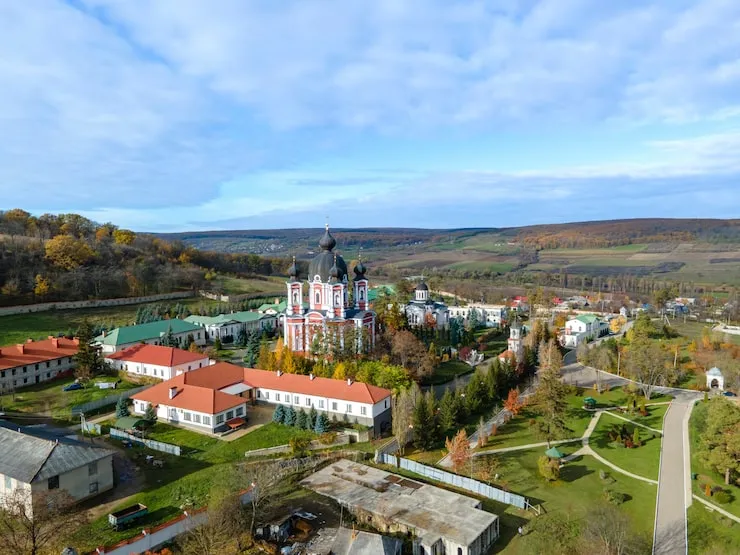
The people of Chiinu celebrated Moldovan independence through street festivities which 200000 residents participated in during the summer of 1991. The former Soviet republic ended its celebrations because of this situation. The government declared a state of emergency during March 1992 because of violent clashes with Russian-speaking minorities over control of Transnistria. The July 1992 cease-fire agreement remains unratified because no formal treaty exists to determine the region's future.
Azerbaijan (August 30, 1991)
Azerbaijan declared its independence on August 30, 1991, confirming the decision on October 18, 1991. The province of Nagorno-Karabakh, which had an Armenian majority, declared its independence during that same year. The region's independence was not recognized by Azerbaijan, which resulted in a conflict that resulted in 30000 deaths. The cease-fire agreement from 1994 is still in effect, but there have been times when the agreement has not been followed.
Kyrgyzstan (August 31, 1991)
Kyrgyzstan celebrates its independence on August 31. The former Soviet republic achieved its status as a sovereign nation on this date in 1991. The national language of Kyrgyzstan became Kyrgyz when the government established it as the official language in 1989. The first president of Kyrgyzstan Askar Akayev governed the nation until 2005 when he had to escape the country after the Tulip Revolution.
North Macedonia (September 8, 1991)
Macedonia (known as the Republic of North Macedonia since 2019) became independent on September 8, 1991. The former Yugoslav republics experienced different outcomes from their independence celebrations but Macedonia did not experience a violent civil war. Greece continued to oppose the country's name which resembled the Salonika region until recent times.
Tajikistan (September 9, 1991)
Tajikistan achieved independence from the Soviet Union in 1991 when it declared sovereignty on September 9, 1991. The years that followed independence brought hardships to the people who lived in the country. The civil war which involved multiple groups continued to fight from 1992 until 1997. The conflict resulted in more than 35000 deaths, but between 70000 and 157000 people lost their lives while many Tajiks sought safety in Russia.
Armenia (September 23, 1991)
Armenia achieved independence status through a referendum held on September 23 1991, which showed that 99.31 percent of voters supported independence. The former Soviet republic had progressively become more accessible to the world since a devastating earthquake on December 7 1988, which opened the country to international aid.
Turkmenistan (October 27, 1991)
On October 27, 1991, Turkmenistan gained independence after a referendum on the previous day passed with flying colours. Saparmurat Niyazov became president of the new nation. He had already served as the First Secretary of the Communist Party of Turkmen since 1985. The period from his 1990 election as president until his death in 2006 established an extraordinary cult of personality around him.
Uzbekistan (August 31, 1991)
Another former member of the USSR, Uzbekistan declared its independence on the same day as Kyrgyzstan. The new nation appointed Islam Karimov as its first president who maintained his position until his death in 2016. Throughout his entire rule, Karimov established an authoritarian government system which restricted all political opposition during his initial governing period.
Bosnia and Herzegovina (March 3, 1992):
Bosnia and Herzegovina, which was a Yugoslav republic, declared its independence on March 3, 1992, following the example set by Slovenia and Croatia. The independence vote received support from most citizens while the Serbian minority chose not to participate in the referendum. The Bosnia-Herzegovina war started one month after its beginning. The conflict ended with the Dayton Accords in 1995, but it had already destroyed large areas of the country and resulted in about 100,000 deaths, which mainly affected Bosnian people.
Eritrea (May 24, 1993)
Eritrea which sits in East Africa gained its independence on May 24 1993 following a month when 998 of its citizens supported sovereignty through voting. The UN-supervised referendum determined Eritrea's status which had been part of a federation with Ethiopia since 1952 until the latter annexed it in 1962. The power relationship between the two nations resulted in an extended fight for independence which lasted from 1961 to 1991 and created multiple separatist movements while causing many deaths.