So, you want to become a doctor, nurse, or maybe explore another path in healthcare, but the thought of moving across the country or racking up mountains of debt has you breaking out in a sweat. Youve probably wondered if an online medical school could actually be the answer. Before you start picturing yourself in pajamas taking anatomy tests from bed, lets be real about how online medical education worksand how to make it work for your life.
What can you really study at medical school online?
Most people think "medical school" means years in a lab or hospital, but the truth is, you can take a lot of classes online now. There are legit programs for things like:
- Pre-med coursework
- Health sciences degrees
- Nursing and allied health (usually the classroom stuff is online, then hands-on work comes later)
- Some international medical degrees (check if they're recognized where you want to work)
- Specialized certificatesthink nutrition, medical billing, or radiology tech basics
This matters because not everyone wantsor needsa traditional M.D. or D.O. Some folks just want to get their foot in the healthcare door without upending their whole life. If thats you, online medical courses or degrees online could save time, money, and stress. The catch: You cant do everything online. Almost every "real" medical path still has in-person labs or clinicals, so youll need to plan for that.
Who should consider online medical education?
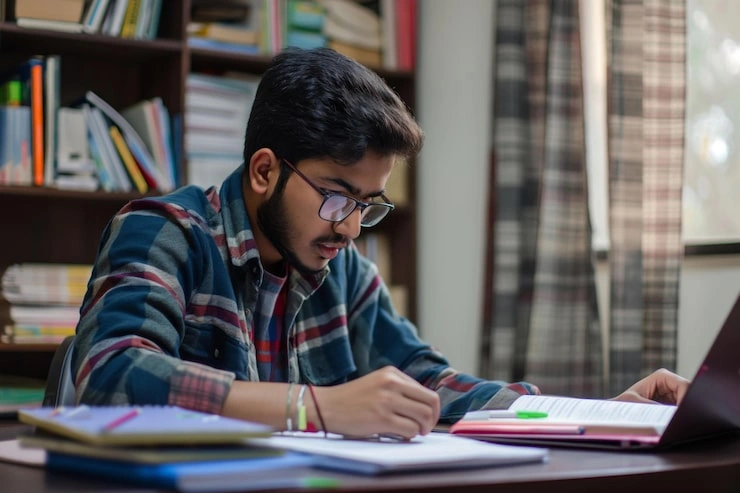
Be honestare you a self-starter? Can you read a chapter at 10pm even when Netflix is calling? If yes, medical school online could be perfect for you, especially if:
- Youre already working and want to switch lanes into healthcare
- You live far from big universities but want real credentials
- You want to save on tuition and travel costs
- You like learning at your own pace
- You have family or life commitments and need flexibility
If you need someone watching over your shoulder to stay focused, online education might feel tough. But tons of peopleworking parents, career changers, military, or rural studentsmake it work every year.
How do online medical schools work, day-to-day?
Lets get specific. Most programs use:
- Recorded lectures or live video classesgrab headphones and hit play
- Discussion boards for asking questions or debating ideas
- Online quizzes, assignments, and group projects (yep, there are group projects)
- Hands-on labs at local affiliated clinics or hospitals
- Regular check-ins with teachers or mentors
Youll need a reliable computer and internet. Some programs are "as you go"move at your pace. Others stick to live class schedules. Know which fits your style. The biggest mistake? Underestimating the time commitment. Online medical education is real school. Slacking off just means the due date still comesand that panic at 2am is universal.
Are online medical degrees respected by employers?
Short answer: Yes, if you choose the right place. Accreditation is everything. Make sure your program is approved by recognized groups like the LCME (for US med schools), CCNE (for nursing), or regional accrediting bodies.
- For doctors (M.D./D.O.): Theres no fully online option in the US, but some international schools mix online coursework with in-person training. Youll have to check state licensing rules once you finish.
- For nurses and allied health: Many respected schools offer hybrid programs (classes online, clinicals in-person).
The red flag: "Diploma mills" that promise instant degrees for a fee. Trust your gut. If it sounds too easy, it probably wont get you hired. Real employers want real skills and proof you stuck it out through the tough stuffnot just a PDF you paid for online.
Whats tough (and awesome) about learning medicine online?
Lets keep it real. Heres what youll love and what might drive you nuts:
- Pros:
- Study on your own schedule, even at weird hours
- Zoom in from anywhere, so you dont have to move
- Usually less money spent on housing and meals
- No packed lecture halls or commuting nightmares
- Cons:
- Harder to network casually (no chatting in hallways)
- You need serious time management skills
- Tech messing up right before a big test (happens to everyone at least once)
- Sometimes feels lonely or confusing until you find your groove
The trick: Find a system that works for you. Make a routine. Talk to classmates (even if its just online). And dont be afraid to ask for helpfrom teachers, mentors, or even the schools tech support folks.
How do you pick the right online medical school?
Heres a simple checklist:
- Accredited? (Check this first, always.)
- What courses or degrees are offered?
- Are there teachers or mentors with real healthcare experience?
- Can you get hands-on training where you live?
- Whats the graduation and job placement rate?
- What tech do you needany fancy software or just a laptop and WiFi?
My advice: Call the admissions office. Ask real questions about common struggles and how they help you get through them. The best schools are honest about whats hard and what support youll get. If they sidestep your questions, look somewhere else.
How much does online medical school costand is it worth it?
Good news: Online programs often cost less than on-campus ones. Bad news: Its still not cheap. Expect to pay for tuition, fees, maybe some tech or traveling for hands-on training. But youll probably save on gas, rent, and eating out.
What really matters is what you get for your money. Will this degree help you land a real job? Are there internships or placement help? Think long-term: The cheapest program isnt always the best deal if employers dont respect it.
How to survive and thrive in online medical school
Set yourself up for success before you even start. Heres what works for most people:
- Make a study schedule (and stick to it, even if friends roll their eyes)
- Block off "no-phone" time for tough chapters or assignments
- Reach out to classmates for online study groupsthe struggle is real, and company helps
- Bookmark your online learning portal on every device
- Dont be shy about emailing professors; they cant help if they dont know youre struggling
Online medical school takes grit. But thousands of people finish every year, even with jobs, kids, and late-night stress snacks. If your dream is a medical or healthcare career, dont let "how" you learn stop you. The path might be different, but the finish line is still there.
FAQs about online medical school
- Can you really become a doctor online?
No U.S. state lets you finish an entire M.D. or D.O. onlineyoull always need to do in-person labs or clinicals. But you can take many science and pre-med courses online. These count towards a medical degree and help with applications to in-person med schools. - Are online medical degrees respected?
Yes, as long as the program is accredited and recognized by employers or licensing boards. Make sure the school isnt a "diploma mill" and that their graduates can get licensed and hired in your state or country. - What's the biggest challenge of medical school online?
Staying motivated. Without classes in person, its easy to fall behind. You have to plan your study time and check in with teachers or classmates. Tech issues can also be frustrating, but most schools have support teams for that. - How do clinicals or labs work with online medical courses?
Most schools partner with local hospitals or clinics so you can do hands-on work near where you live. Youll get instruction and a supervisor, and schedules are often flexible to fit your needs. - Is online medical education cheaper than traditional school?
Usually, yes. Tuition can be lower and you save on things like housing or commuting. But you still need to pay for books, fees, and sometimes travel to clinical sites. Check the total cost before you start. - What jobs can you get with an online medical degree?
Lots! You can become a nurse, medical assistant, health administrator, billing specialist, or even work in public health. Some roles, like being a full doctor, need in-person school, but many support roles start with online education.
If youre serious about a career in healthcare, online options are better than ever. Pick an accredited school, set a routine, ask for help when you need it, and keep moving forwardeven when it feels tough. The future of medicine needs people willing to try something new (and yes, that could be learning from your couch).