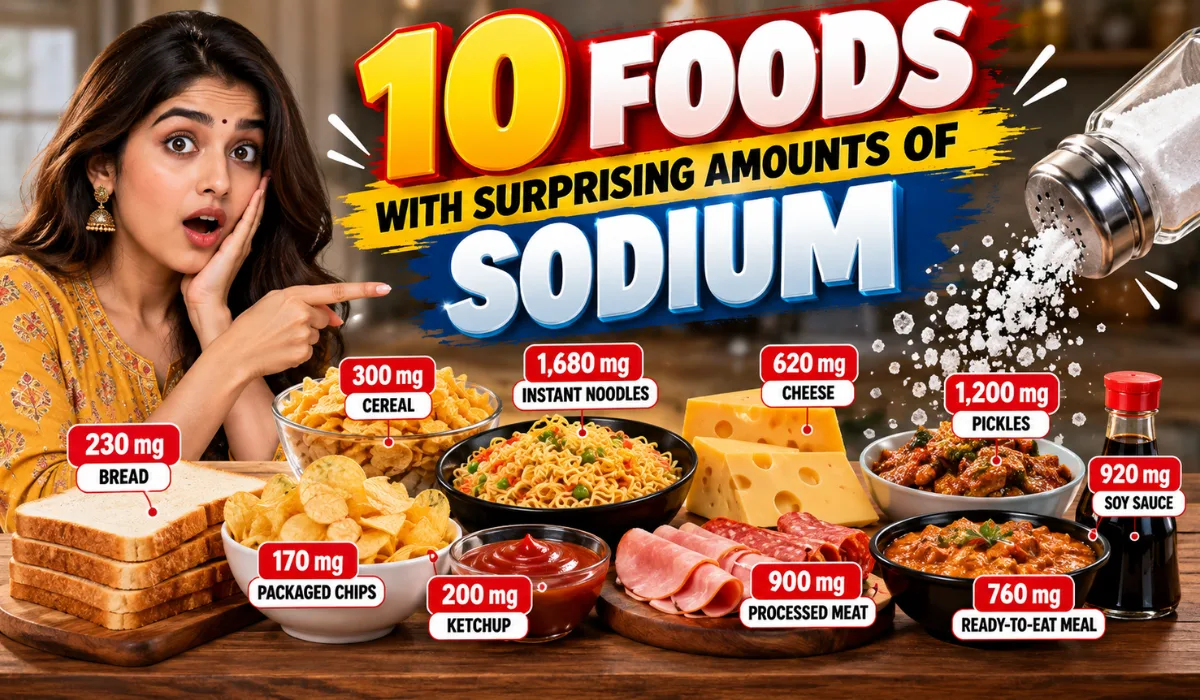
Being mindful of what you put into your body can present a pretty tough challenge to take on. You need to keep an eye on those calories, sugar, fat, salt, and pretty much everything else based on your personal dietary limitations. And I know for a fact that sometimes you don't realize just how unhealthy the foods you eat really are, like these 20 foods that contain surprisingly high amounts of sodium.
Canned Soup
We've all heard that eating a can of soup is considered the best remedy for when you're sick, haven't we? However, that's actually wrong. The majority of food manufacturers pack canned soups with sodium (thanks to the preservatives needed to ensure the product remains on the shelf for months), which enhances the flavor and results in an abundance of salt. Furthermore, the average cup of soup can contain almost 30% of your recommended sodium intake for the day.
Macaroni and cheese
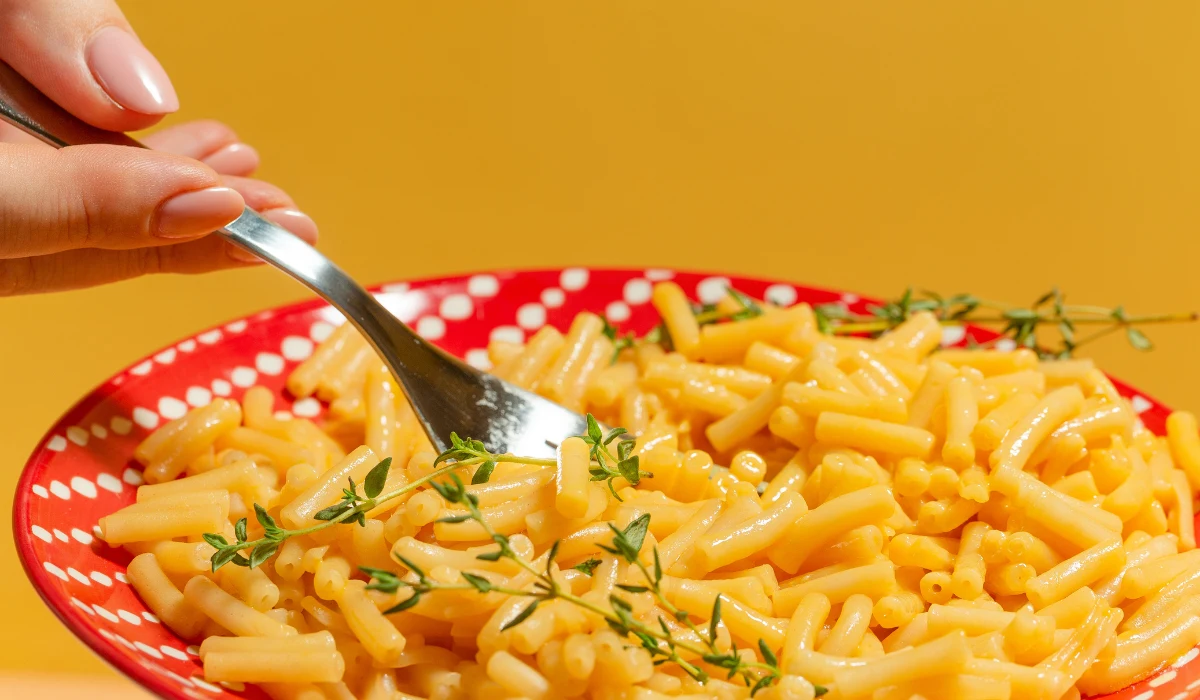
In fact, both your late-night mac and cheese snack and a freshly ordered plate of nachos pack roughly the same amount of unhealthy calories. The cheese powder packet that comes with most mac and cheese often contains a lot of salt, which further contributes to its place on an unhealthy foods list, making it even more a part of the typical family favorite.
Ketchup
This is what you probably think of when you hear the word "ketchup." Sadly, for all of us, our favourite condiment contains a ton of sugar, sodium, and various other ingredients within it. When you add one tablespoon of Heinz ketchup to your snack, it will introduce roughly the same amount of sodium as an ounce of salted nuts or potato chips, so finishing your salty fries with ketchup means you are adding yet another round of salt to that delicious snack.
Kraft Singles
I don't think anyone would be surprised if I share with you that the simple act of adding a slice of processed cheese to a burger or a sandwich has existed for generations. But as with all such shortcuts, there's a price to pay: apart from the ridiculous amount of plastic waste it generates, a slice of Kraft Singles also contains an irresponsible dose of sodium – a hefty 10% of your recommended daily allowance. For those of you who are watching your heart health, I'd recommend passing on the next burger that includes it.
Bagels
The ongoing argument about whether New York makes better bagels than Montreal, or vice versa, continues alongside another intriguing discussion: Do people really consider bagels to be healthy? Certainly, that bagel contains a ton of bread, along with a lot of calories, carbs, and sodium. It's advisable for individuals to choose whole-grain bagels, which can have significantly less sugar and salt.
Tomato Sauce
Just like its ketchup buddy, tomato sauce often contains very high levels of sodium—especially more so if you happen to grab a jar of canned sauce from the grocery store. The good news is that those healthy little tomatoes consist of 95% water. While most sauces tend to end up pretty salty, some are worse than others, which is why it is always best to make your own sauce or carefully read the label on those canned sauces.
Salad Dressing
How many times have you heard someone complain that he has been eating salads and doesn’t think he feels any better? More often than not, people find that salad dressing is the culprit. A seemingly innocuous addition to the meal can easily propel a salad from being one of the most nutritious foods to a meal that contains just as much sodium, sugar, and fat as some fast foods. Not all salad dressings are the same, so when in doubt, many nutritionists advise sticking with a vinaigrette if you want to be healthy.
Cottage Cheese
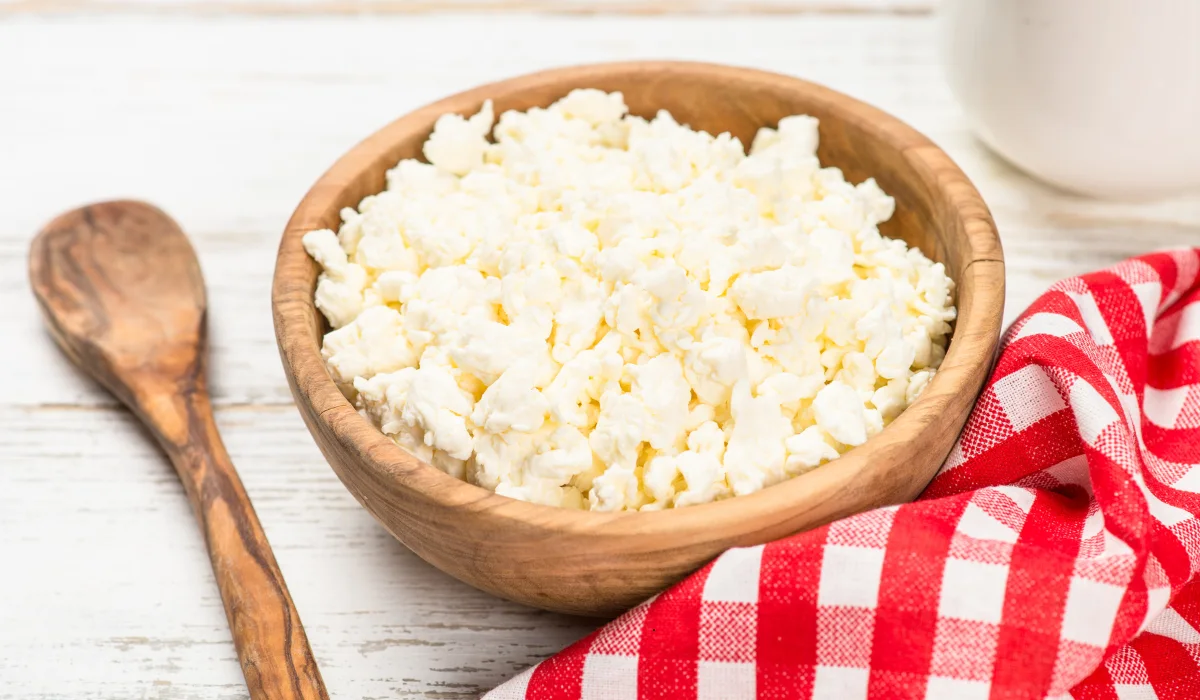
This may shock some folks more than the others, as loads of writers go on and on about how good cottage cheese is. That, of course, shouldn't be dismissed – cottage cheese definitely provides a wealth of nutrients. However, one of those nutrients also contains loads of sodium. A cup of low-fat cottage cheese can contain up to 30% of your daily sodium intake, which is quite significant. Many brands offer low-sodium options, but these products generally contain higher fat content, as sacrifices have to be made to account for the extra flavoring.
Instant Noodles
This once served as the premise of the fan-favorite Dragon Ball Super anime: A multi-dimensional creature adored Earth because, in all of the dimensions, this was the only planet to create instant noodles. They are that incredible! But, as you might expect from such a delicious food, there is a significant drawback: one serving of instant ramen noodles contains almost 100% of the recommended daily intake of salt! If you decide to indulge in this salty snack, consider throwing in a few vegetables or an egg to offset the sodium content for a healthier option.
FAQ's
1. Wait, sweet foods can sabotage my salt intake too?
The Shocking Truth: Absolutely! Your taste buds might be screaming "dessert," but your cells are swimming in stealthy sodium. Surprising culprits like packaged bakery muffins, bottled coffee drinks, and even sliced store-bought sandwich bread are secretly spiked with salt to enhance flavor and extend shelf life. That morning muffin might just be a wolf in sheep's clothing disguised as a sweet treat!
2. Aren't cottage cheese and healthy yogurt basically pure wellness?
The Health Halo Trap: It hurts to hear, but yes, dairy can be a sneaky salt mine. While cottage cheese is a darling of the fitness world for its protein punch, a single cup can easily pack nearly a third of your daily recommended sodium limit. Even certain flavored yogurts and processed cheeses rely heavily on sodium compounds to keep their texture smooth and tangy.
3. How can something as wholesome as a bowl of soup or veggie juice be a sodium trap?
The Liquid Illusion: Liquid comfort foods love to trick us. Because canned soups and bottled vegetable juices rely on heavy sodium preservation to taste fresh off the vine, they transform from garden-fresh goodness into concentrated salt reservoirs. One innocent-looking bowl can quietly cross the daily threshold before you even finish lunch.
4. Is store-bought pre-marinated meat really that bad compared to junk food?
The Butcher's Little Secret: You might skip the potato chips, thinking your pre-packaged marinated chicken breast or seasoned steak is a clean-eating win. Think again! Meat processors love injecting these cuts with sodium-rich brines to keep them plump and juicy on the shelf. You could be consuming half a day's worth of salt before the pan even heats up.
5. Can I outsmart sneaky sodium simply by ditching my salt shaker at home?
The Hidden Ingredient Illusion: Tossing your table salt shaker is a great symbolic gesture, but it only solves a tiny fraction of the puzzle. Over 70% of the sodium we consume is already locked inside processed, packaged, and restaurant foods before we ever lay eyes on them. True mastery means reading the fine print on nutrition labels—even for foods that don't taste remotely salty!