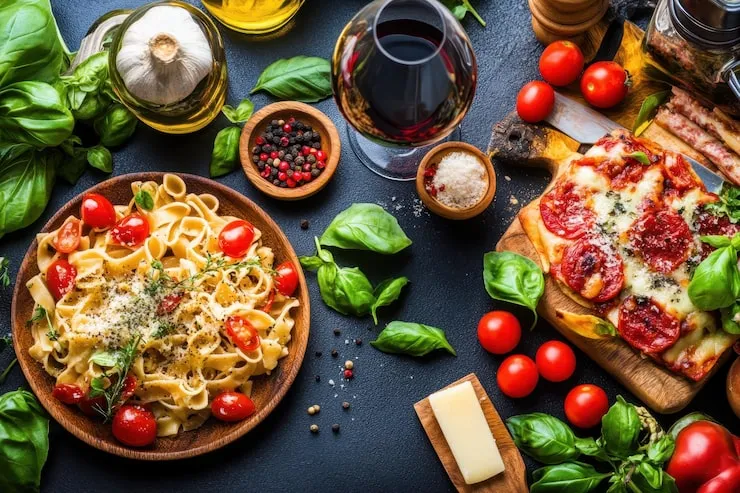
Italy is often celebrated for its iconic culinary staples pizza from Naples, pasta from Rome, and gelato in Florence. Yet, beyond these well-trodden gastronomic landmarks, lies a world of secret culinary journeys waiting to be discovered by the intrepid food lover. From hidden trattorias tucked in cobblestone alleys to family-run farms producing centuries-old delicacies, Italy offers a culinary experience that transcends the ordinary. Embark on a journey to uncover Italy’s hidden flavors, where every bite tells a story and every meal is a journey through history, culture, and passion.
The Allure of Hidden Italian Gastronomy
What makes Italy’s culinary scene so enchanting is its ability to combine simplicity with sophistication. While many travelers flock to famous restaurants or follow the well-worn tourist trail, the real magic often happens in places less traveled. These secret culinary destinations are more than just places to eat—they are experiences that engage all the senses. Here, recipes are not just food; they are living traditions passed down through generations. Local ingredients, artisanal craftsmanship, and seasonal authenticity define each dish, offering a genuine taste of Italy.
Italy’s culinary secrets are often tied to its regions, each with distinct flavors and specialties. Northern Italy delights with creamy risottos, rich polenta, and delicate cheeses. Tuscany and Umbria boast rustic dishes like wild boar ragù and truffle-infused delights. The southern regions, including Puglia and Calabria, shine with fresh seafood, sun-kissed olive oils, and fiery spices. Exploring Italy’s culinary corners allows travelers to dive deep into the local culture, making food not just a meal, but a story told on a plate.
Discovering Hidden Trattorias and Osterias
One of the best ways to experience Italy’s secret culinary paths is through small, locally-owned restaurants—trattorias and osterias that rarely appear in guidebooks. These establishments often operate under the radar, serving food that reflects centuries-old family traditions. In Florence, for instance, a tucked-away trattoria might serve ribollita, a hearty Tuscan soup, prepared using a recipe unchanged for generations. In Sicily, an osteria might offer arancini, stuffed rice balls, prepared with a regional twist that only locals know.
What sets these hidden gems apart is the intimacy of the experience. Here, chefs often interact directly with diners, sharing stories of how the dishes originated. Meals become interactive, a cultural exchange between host and guest. Unlike tourist-heavy eateries, these secret culinary spots emphasize authenticity, where ingredients are sourced locally and seasonally, and dishes are crafted with care and respect for tradition.
Farm-to-Table Adventures
Italy’s rural landscapes offer another avenue for secret culinary exploration: farm-to-table experiences. Across the Italian countryside, small farms cultivate fresh produce, artisanal cheeses, cured meats, and fine wines. Visitors can participate in hands-on activities, from harvesting olives in Tuscany to making cheese in the rolling hills of Umbria. These immersive experiences connect travelers to the roots of Italian cuisine and provide an understanding of the effort behind every bite.
For instance, in the Emilia-Romagna region, famed for Parmigiano-Reggiano and balsamic vinegar, food enthusiasts can visit local producers and learn the intricate processes behind these iconic delicacies. Tasting the cheese straight from the aging wheels or sampling vinegar aged for decades transforms a simple culinary activity into an unforgettable journey. These experiences not only offer superior flavors but also a sense of connection to the land, the seasons, and the people who dedicate their lives to preserving Italy’s culinary heritage.
Secret Markets and Local Ingredients
A trip to Italy is incomplete without wandering through its vibrant local markets. Beyond the tourist-centric spots lie small, authentic markets where local vendors sell fresh produce, handmade pasta, and regional specialties. Markets in Palermo, Bologna, and Naples, for example, are treasure troves of flavors waiting to be discovered. Here, one can sample sun-dried tomatoes, aromatic herbs, fresh mozzarella, and olive oils that are rarely found outside their native regions.
Shopping at these markets allows travelers to engage with locals, learn about rare ingredients, and even pick up secrets of traditional cooking methods. It’s an opportunity to step into the daily rhythm of Italian life, where food is not just sustenance, but a celebration of culture and community. Armed with fresh ingredients, travelers can try their hand at recreating regional dishes, bridging the gap between tourism and authentic culinary practice.
The Sweet Secrets of Italian Desserts
Italy’s hidden culinary journeys are not limited to savory dishes. The country is home to countless regional desserts that remain largely undiscovered by mainstream tourists. From Sicilian cannoli to the chestnut-based delights of Tuscany, each dessert tells a story rooted in history and local culture. In smaller towns, traditional pastry shops craft sweets with family recipes that have survived centuries, often using seasonal ingredients that reflect the rhythm of the land.
One unforgettable dessert experience can be found in Naples, where a small, family-run pastry shop might offer sfogliatella—a delicate, layered pastry filled with ricotta and candied fruit—prepared fresh daily. Tasting these desserts in their place of origin, alongside locals enjoying their daily treats, offers a glimpse into a side of Italy that remains delightfully secretive and authentic.
Wine and Culinary Pairing Secrets
Italy is synonymous with world-class wines, yet the true gems often lie in lesser-known vineyards. Traveling through regions such as Piedmont, Le Marche, and Sicily provides the chance to discover boutique wineries producing exceptional wines from local grape varieties. Many of these wineries also offer tasting tours paired with regional delicacies, creating an intimate experience that highlights the interplay between food and wine.
These hidden wine journeys go beyond standard tastings. Travelers can learn about the meticulous cultivation of vineyards, the delicate fermentation process, and the centuries-old traditions that influence modern winemaking. Pairing these wines with carefully prepared local dishes enhances the flavors and provides an unforgettable sensory adventure, proving that Italy’s culinary treasures extend far beyond the well-trodden paths.
Creating Your Own Culinary Adventure
Embarking on a secret culinary journey in Italy requires curiosity, an adventurous spirit, and a willingness to explore off the beaten path. Start by identifying lesser-known regions or towns and seek out local advice for authentic dining experiences. Engage with chefs, vendors, and farmers—Italy’s culinary heart thrives on connection and storytelling. Every street, every market, every family kitchen offers an opportunity to uncover a unique taste of Italian culture.
Italy’s secret culinary journeys are not just about food—they are about immersing oneself in history, tradition, and local life. Each bite carries the passion of generations, each meal is a story waiting to be told. By venturing beyond the familiar, travelers can transform a simple trip into a rich tapestry of flavors, experiences, and memories that last a lifetime.
Italy’s culinary secrets are calling. Today is the day to step off the beaten path, wander through hidden trattorias, savor artisanal creations, and discover flavors that are as timeless as they are unforgettable. Indulge in Italy’s secret culinary journeys and let every bite transport you to a world of taste, tradition, and unparalleled gastronomic delight.