I still remember the day my friend Ravi got his first car. A shiny sedan, great looks, and a powerful engine. He was over the moon for the first three months. Then came the first service bill. Then the unexpected breakdown during a family trip. Then the story of a small part replacement that cost him a full week’s salary. Within a year, his "dream car" turned into a money-eating machine sitting in his parking lot.
That is when I learned a hard lesson. A cheap car on the showroom floor is not always a cheap car on the road. The real cost of a car is not what you pay on day one. It is what you pay every single month after that for fuel, service, spare parts, and repairs.
So if you are a regular Indian buyer hunting for a low-maintenance car in India, do not fall for the glossy ads and the fancy features. They look good on a screen but mean nothing when your car sits in the workshop for the third time in a month. You need an honest car that starts every morning without any drama, handles our broken roads and sudden speed breakers, and never asks for a fortune every time you visit the workshop.
What Makes a Car Low Maintenance?
Before looking at specific models, it helps to understand why certain vehicles cost so much less to run than others. A low-maintenance vehicle relies on a few critical factors:
- Ubiquitous Service Networks: Brands with service touchpoints in every corner of India eliminate the need to tow cars to distant cities for repairs.
- Massive Local Production: When a manufacturer builds parts locally in high volume, the replacement components cost a fraction of imported spares.
- Mechanical Simplicity: Naturally aspirated petrol engines and straightforward manual or automated manual transmissions have fewer complex components that can fail.
- High Fuel Efficiency: A car that delivers excellent mileage naturally reduces your daily running costs, which forms a major part of your overall operational expenses.
You may also read :- Most Fuel Efficient Cars In India For Daily Commutes
The True List of Low-Maintenance Car in India Under 10 Lakhs
After talking to long-term owners and service center managers, here is the ground reality: These cars do not break often, and when they do, they do not empty your pocket.
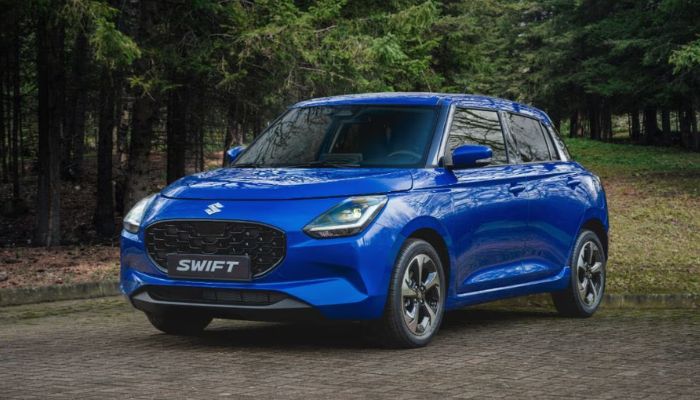
Maruti Suzuki Swift – The People’s Champion
The Swift has been on Indian roads for almost two decades. Millions of people own it. That means every mechanic from Leh to Kanyakumari knows how to open its bonnet. The spare parts are everywhere, and they are cheap.
The petrol engine is simple and tough. The diesel engine is no longer sold new, but used ones are still great. The service cost for a regular check up stays between three thousand to five thousand rupees. Compare that to a European car where a single service touches fifteen thousand easily.
The new Swift stays under ten lakhs for most variants. It gives you good mileage, easy driving in the city, and a reliable feel. You do not get a very plush interior or the latest gadgets, but you get peace of mind. And that is worth more than a sunroof.
Hyundai Grand i10 Nios – The City Friendly One
Hyundai builds cars with a slightly richer feel compared to Maruti, yet the running costs stay very reasonable. The Grand i10 NIOS proves this point perfectly. Its engine runs smooth, the clutch feels light under your foot, and the AC chills well even during our harsh summers.
What makes it a low-maintenance car in India is the service network. Hyundai showrooms are everywhere. Even outside the warranty period, you will find affordable spare parts. The suspension parts and brake pads cost less than many competitors.
The real win here is the engine reliability. This 1.2 liter petrol motor does not complain even in stop-and-go traffic for hours. Owners report very few major repairs in the first five years. Just oil changes, filter changes, and brake pad replacements. That is all.
Tata Tiago – The Strong and Simple Choice
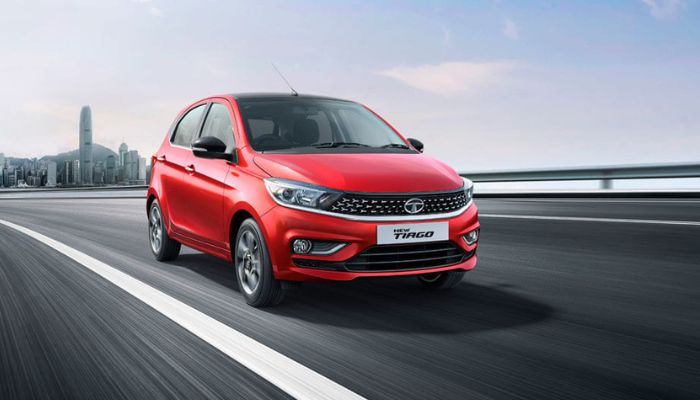
Tata has improved a lot in the last few years. The Tiago feels stronger than its price suggests. The build quality is good, and the car feels safe. But here is what matters for maintenance. The parts are cheap.
The 1.2-liter Revotron engine is not a complex machine. Local mechanics can work on it without special tools. The service cost from Tata is also reasonable. A standard service costs around four thousand to six thousand rupees.
Many people worry about Tata’s old reputation for small niggles. But the Tiago has been around long enough that most problems are now fixed. And even if something comes up, the repair does not force you to sell a kidney. That is the beauty of buying a car that sells in good numbers every month.
The SUV Dream Without the Nightmare
Everyone wants an SUV these days. But big cars usually mean big maintenance costs. Big tires cost more. Big engines drink more fuel. Big suspensions break more often on bad roads. But there is good news. You can find low-maintenance SUV cars in India if you know where to look.
These are not massive seven-seaters. These are compact SUVs that sit between a hatchback and a full SUV. They give you the high seating position and the strong looks, but they keep the running costs under control.
Maruti Suzuki Brezza – The Unbreakable One
The Brezza is a legend for a reason. It has sold in huge numbers. The petrol engine is the same simple 1.5-liter unit that Maruti has perfected over years. No complicated turbo, no fancy direct injection. Just a straightforward engine that works.
The Brezza crosses ten lakhs for higher variants, but the base and mid variants come in under ten lakhs easily. And the maintenance cost stays low because Maruti has put millions of these cars on the road. Every mechanic knows the Brezza.
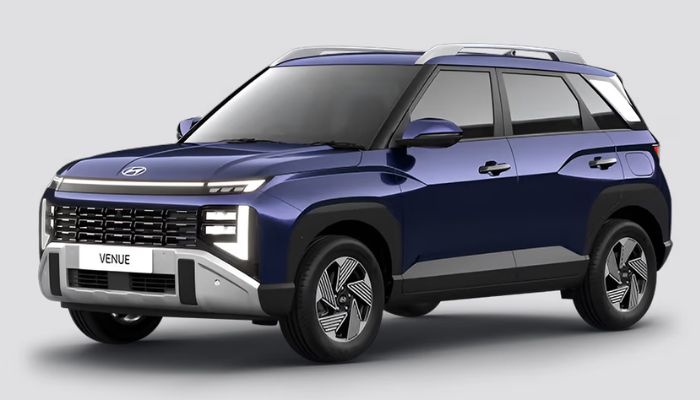
Hyundai Venue – The Affordable Compact SUV
The venue sells a lot in India. That alone keeps its maintenance cost low. High sales mean more spare parts in the market. More spare parts mean lower prices. Simple economics.
The base petrol engine without the turbo is the one to pick if you want low running costs. The turbo engine gives more power but also adds complexity. A turbocharger can fail, and replacing it is expensive. Stick to the simple 1.2-liter engine, and you will be fine.
The Venue’s service package from Hyundai is also well-priced. Many owners buy the long-term service plan and then forget about repair costs for three to four years. That is a smart move if you want predictable expenses.
The Top 10 Low-Maintenance Cars in India – The Final Ground List
Let me give you the complete picture. I did not just look at brochures or company claims. I spoke to real car owners who have driven these cars for years. I sat with mechanics who fix broken cars every single ay. I also compared the price of spare parts from different shops across the country. After all that groundwork, here are the top 10 low-maintenance cars in India right now.
| Car Model | Approximate Starting Price | Engine Type | Average Yearly Service Cost | Why Maintenance is Low |
|---|---|---|---|---|
| Maruti Suzuki Swift | 6 lakhs | 1.2L Petrol | 4,000 - 5,500 | Parts everywhere; any mechanic can fix it |
| Hyundai Grand i10 Nios | 6.5 lakhs | 1.2L Petrol | 4,500 - 6,000 | Reliable engine, strong service network |
| Tata Tiago | 5.6 lakhs | 1.2L Petrol | 4,000 - 6,000 | Simple motor, cheap parts, good build |
| Maruti Suzuki Ignis | 5.8 lakhs | 1.2L Petrol | 4,000 - 5,500 | Tall boy design, shared parts with Swift |
| Maruti Suzuki Brezza | 8.5 lakhs | 1.5L Petrol | 5,000 - 7,000 | Proven engine, huge sales numbers |
| Hyundai Venue | 7.8 lakhs | 1.2L Petrol | 5,000 - 7,000 | Common car, affordable service plan |
| Maruti Suzuki Dzire | 6.6 lakh | 1.2L Petrol | 4,000 - 5,500 | Same reliable parts as Swift |
| Hyundai i20 | 7 lakhs | 1.2L Petrol | 5,000 - 7,000 | Premium feel but still low-cost parts |
| Tata Punch | 6 lakhs | 1.2L Petrol | 4,500 - 6,500 | Micro SUV, strong and simple |
| Maruti Suzuki Wagon R | 5.5 lakhs | 1.0 L / 1.2 L Petrol | 3,500 - 5,000 | Basic design, cheapest running cost |
All these cars stay under ten lakhs for the base and mid variants. The top-end models of some might cross ten lakhs, but the sweet spot for a low-maintenance car in India under 10 lakhs is the middle variant. You get power windows, AC, a music system, and sometimes even basic safety features. That is enough for most families.
A Few Things You Must Do to Keep Maintenance Low
Buying a low-maintenance car is only half the work. How you treat it matters just as much. I have seen people buy a bulletproof Maruti and then ruin it by skipping oil changes. I have also seen people keep an older car running smoothly just by following a few simple rules.
- Change the engine oil on time. Do not stretch the service interval just to save two thousand rupees. Old oil damages the engine slowly, and a new engine costs two lakh rupees.
- Use the right fuel. If your car needs normal petrol, do not put premium in it. If it needs diesel, do not mix anything else. Simple rule.
- Get your car serviced only at places that know your model. A local mechanic who has worked on a hundred Swifts is better than a fancy garage that sees your car for the first time.
- Replace brake pads and clutch plates before they fail completely. A failed brake disc costs much more than a simple pad change.
- Keep an eye on tire pressure. Low pressure kills mileage and wears out tires faster. New tires are expensive.
Real Life Example – How Much You Actually Save
Let me give you a real comparison. One of my neighbors owns a Ford Figo, which is no longer sold new. Another owns a Maruti Swift. Both bought their cars around the same time for similar prices.
The Ford owner now struggles to find spare parts. Ford left India, so the local mechanic has to search for days for a simple mirror or a taillight. When he finds it, the price is high because few people sell those parts anymore.
The Swift owner walks into any part shop and buys whatever he needs in ten minutes. The mirror costs eight hundred rupees. The taillight costs six hundred. The oil filter costs two hundred.
This is the real difference. A low-maintenance car in India is not just about cheap service. It is about availability. If a part is hard to find, it becomes expensive. If a part is easy to find, it stays cheap.
A Small Warning About Used Luxury Cars
I see many young buyers getting tempted by used luxury cars. A five-year-old Mercedes or Audi for ten lakhs feels like a steal. Do not fall for this trap. That car will ask for maintenance money like it still costs fifty lakhs. A single headlight assembly for a German car can cost one lakh rupees. A suspension repair can cost two lakhs. A simple service at the company workshop touches thirty to forty thousand rupees. That is more than six months of EMI on a new Maruti.
Stick to mass-market Indian cars. They are boring, they do not impress your neighbors, and they do not have the best interiors. But they also do not leave you stranded or broke. That is the real win.
Final Thoughts – What Should You Actually Buy
If you want my honest advice after years of watching the Indian car market, pick the Maruti Suzuki Swift or the Hyundai Grand i10 Nios if you want a hatchback. Pick the Maruti Brezza if you want an SUV feel. All three give you the perfect balance of price, reliability, and cheap repairs.
Do not worry about missing out on the latest features. A big touchscreen or a sunroof will not help you when your car refuses to start. A simple, tough engine and a network of affordable mechanics will.
The best low-maintenance car in India under 10 lakhs is not the one with the most gadgets. It is the one that starts every morning, takes you where you want to go, and never asks for more than you can afford. That is the real luxury in our country.
Frequently Asked Questions
Q1. Which car has the cheapest maintenance in India?
The Maruti Suzuki Wagon R and the Maruti Suzuki Swift have the cheapest maintenance. Their spare parts cost very little, and every local mechanic can repair them.
Q2. Is Tata a low-maintenance car brand in India?
Yes, Tata has improved a lot. Models like the Tiago and Punch have simple engines and cheap parts. The service cost is reasonable, and many mechanics now work on Tata cars comfortably.
Q3. Are diesel cars high maintenance in India?
Older diesel cars need more care. New diesel cars with DPF filters need highway running to stay clean. For most city drivers, a petrol car is lower maintenance than a diesel car.
Q4. Which is better for low maintenance – Maruti or Hyundai?
Both are very good. Maruti has cheaper spare parts and more mechanics. Hyundai has slightly better fit and finish but still very affordable running costs. You cannot go wrong with either.
Q5. What is a realistic yearly maintenance budget for a low-maintenance car in India?
For a car like a Swift or i10, keep around five thousand to eight thousand rupees per year for regular service. Keep an extra five thousand rupees aside for unexpected small repairs like brake pads or bulbs.