Board exams are a big deal. Every student feels the pressure. Parents feel it too. The school gives you a schedule. The teachers give you notes. But when you come home, you are on your own. The room is quiet. The TV is in the next room. Your phone keeps buzzing. How To Prepare For Board Exams At Home.
This guide is for students who want to study at home and actually remember what they read. It is not about studying for fifteen hours a day. It is about studying smart. It is about making the best use of the time you have. Let us break this down step by step.
Why Studying At Home Is Different From School?

At school, a teacher is watching you. Your friends are around you. There is a fixed bell for every period. You have no choice but to sit and listen. At home, nobody is watching. You can get up anytime. You can lie on your bed. You can open the fridge every ten minutes. This freedom is dangerous.
At home, you also have to deal with noise. Siblings playing. Parents talking on the phone. The doorbell ringing. These things break your focus. When your focus breaks, you waste time getting back into the flow of study.
The good news is that you can fix all of this. You can turn your home into a better study place than your school. You just need a plan. You need to follow that plan. You also need to be kind to yourself when you make mistakes.
Step One: Fix Your Study Space
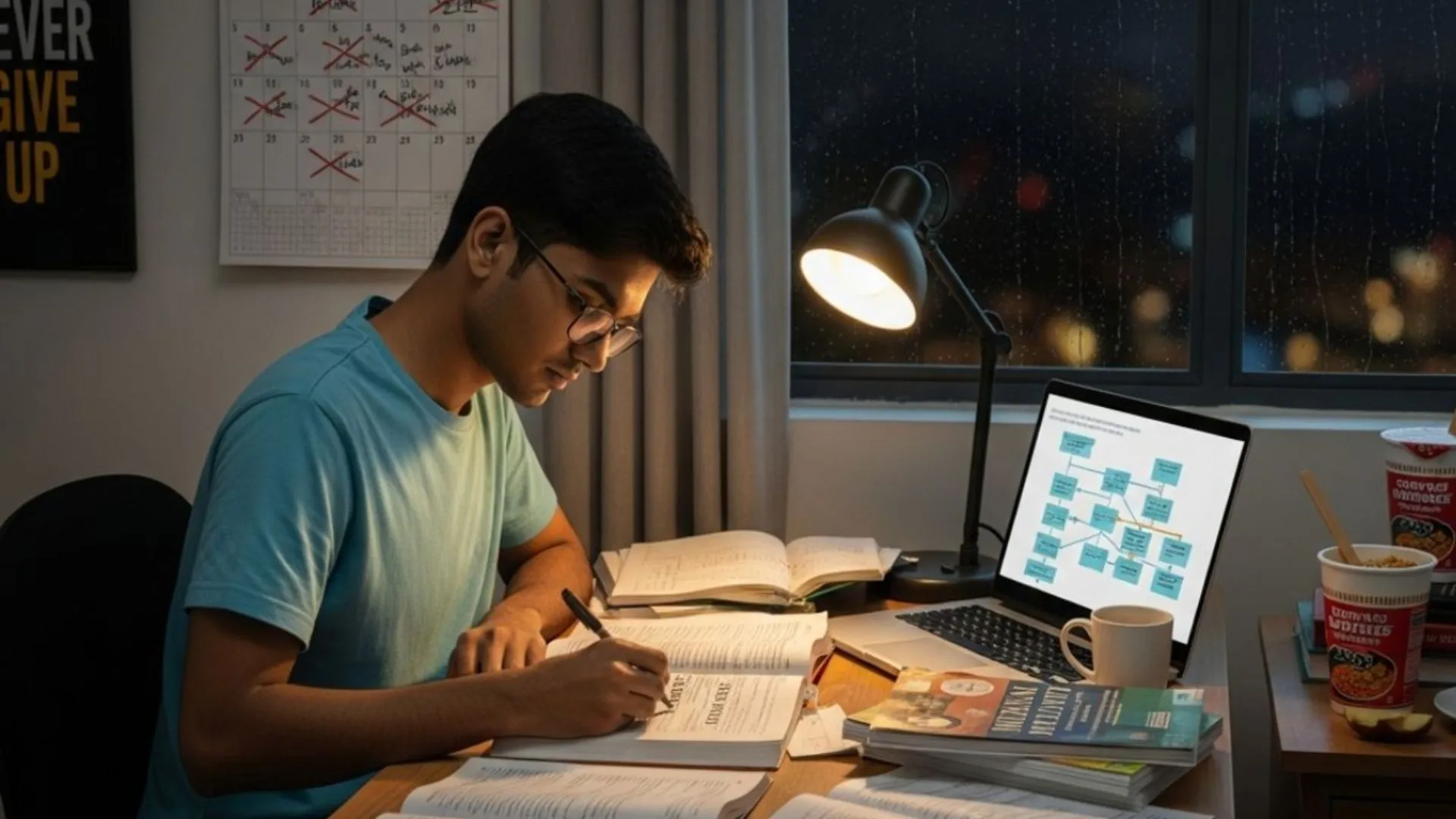
Before you open any book, look at where you sit. Is it clean? Is it quiet? Do you have enough light? These things matter more than you think.
Pick One Spot And Stick To It
Do not study on your bed. Your brain connects your bed with sleep. When you sit on your bed with a book, your brain gets confused. It wants to sleep. It does not want to solve math problems.
Pick a desk or a table. Make sure it is away from the TV. Make sure it is away from the main walking areas of the house. If your room is small, face the wall. This reduces distractions. This one spot should be your study spot for the next two or three months.
Keep Only What You Need On The Table
Your table should have your books, your notebooks, your pens, a water bottle, and maybe a clock. That is it. Keep your phone in another room. If you need a calculator, keep it. If you need a rough notebook, keep it. Remove everything else.
A clean table means a clean mind. When your table is messy, your brain feels heavy. You waste time searching for things. You lose your flow. Clean your table every evening before you sleep. Start the next day fresh.
Get The Lighting Right
Poor lighting makes your eyes tired. Tired eyes make you sleepy. Sleepy students cannot study well. Sit near a window during the day. Natural light is the best. At night, use a good table lamp. Make sure the light falls on your book, not on your face. The room should have overall light too. Do not sit in a dark room with just one small lamp.
Read Also: How To Prepare For Board Exams Without Coaching
Step Two: Make A Timetable That Actually Works
Most students make a timetable that looks beautiful. They write down every hour. They plan to study from 5 AM to 10 PM. They include breaks. It looks perfect. Then they follow it for two days and give up. Why? Because it is not realistic.
A good timetable is not about filling every hour. A good timetable is about using your best hours and protecting them.
Find Your Best Time Of Day
Some students focus best in the morning. They wake up fresh. Their mind is clear. They can solve hard problems at 6 AM. Other students are night owls. They cannot focus in the morning. They do their best work after 9 PM.
Find out which one you are. Do not fight your natural rhythm. If you are a morning person, put your hardest subjects in the morning. If you are a night person, do the easy subjects in the morning and save the hard ones for the night.
Use The 50-10 Rule
Do not study for three hours straight. Your brain stops absorbing new information after about 45 to 50 minutes. After that, you are just sitting there. You are not actually learning.
Study for 50 minutes. Then take a 10-minute break. During the break, stand up. Walk around. Drink some water. Look out the window. Do not look at your phone. Do not watch a video. Do not start a conversation with your family. Just give your brain a rest. After 10 minutes, come back and start again.
Rotate Your Subjects
Do not study the same subject all day. Your brain gets bored. Boredom kills memory. Switch subjects every two hours. For example, study math for two hours. Then switch to history for two hours. Then switch to English.
When you switch, your brain stays alert. It has to shift gears. This shifting helps you remember things better. It is like exercise. You do not work the same muscle all day. You work different muscles. Your brain works the same way.
Step Three: The Right Way To Read And Remember
Many students read the same page again and again. They think this is studying. It is not. Reading and re-reading is the worst way to study. It gives you a false confidence. You feel like you know it. But when you close the book, your mind is blank.
You need active study methods. These methods force your brain to work. When your brain works, it remembers.
The Blurting Method
This is a simple method that works very well. Here is how you do it.
Take a chapter. Read it carefully once. Do not highlight anything yet. Just read. Understand the main ideas. Then close the book. Take a blank sheet of paper. Write down everything you remember from that chapter. Do not look at the book. Just write.
Write whatever comes to your mind. It does not have to be in order. It does not have to be neat. Just write. When you cannot write anything more, open the book. Compare what you wrote with the book. See what you missed. See what you got wrong.
Now read that chapter again. Focus only on the parts you missed. Then close the book again. Write again. This time, you will remember more. This method is hard. It feels uncomfortable. That is good. Discomfort means your brain is growing.
Teach Someone Else
The best way to know if you understand something is to teach it. Find a family member. It could be your mother, your father, or your younger sibling. Explain the chapter to them. Use simple words. Pretend they know nothing about the subject.
As you explain, you will find gaps in your own knowledge. You will stumble on certain parts. Those are the parts you need to study more. If nobody is available, teach an imaginary student. Stand in front of a mirror and explain. It feels strange but it works.
Make Questions And Answer Them
Turn every heading in your textbook into a question. For example, if the heading is "Photosynthesis," make a question: "What is photosynthesis and how does it happen?" Write that question down. Keep a separate notebook for questions only.
After you finish reading the chapter, look at your questions. Answer them without looking at the book. Write the answers in full sentences. Do not write one-word answers. Writing full sentences helps you remember better. It also prepares you for the exam because you know how to write long answers.
Step Four: Subject-Wise Strategies
Every subject is different. You cannot study math the same way you study history. You cannot study science the same way you study a language. You need specific strategies.
For Math And Numerical Subjects
Math is not about reading. Math is about doing. You cannot learn math by watching someone solve problems. You cannot learn math by reading solved examples. You have to solve problems yourself.
Make a target. Solve at least ten problems every day. Start with easy ones. Build your confidence. Then move to harder ones. If you get stuck, look at the solution. Understand the step where you got stuck. Then close the solution and solve it again on your own.
Write down all the formulas on a separate sheet. Stick it on your wall. Look at it every morning. Try to recall the formula before you look at the sheet. This habit will save you a lot of time during exams.
For Theory Subjects Like History And Civics

These subjects have a lot of facts. Dates, names, events. It feels impossible to remember everything. The trick is to make stories. Know more about the how to prepare for board exams at home.
Connect events to each other. For example, instead of remembering dates one by one, make a timeline. Put events in order. Understand what caused what. When you understand the cause and effect, the dates become easier to remember.
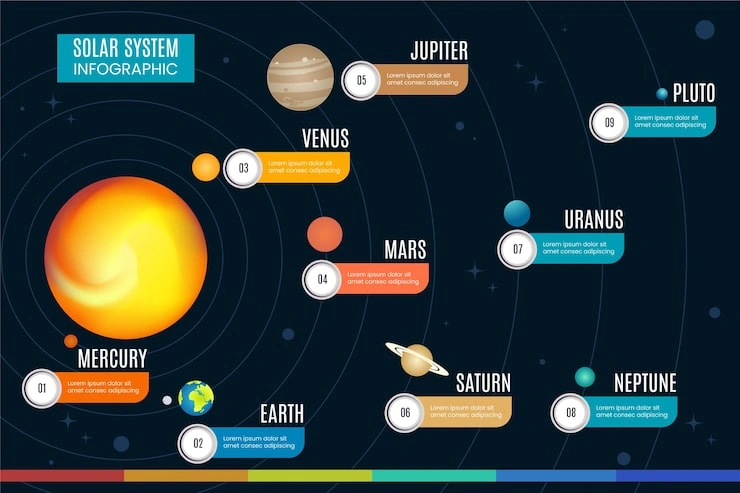
Use acronyms. Take the first letters of a list and make a word. For example, to remember the planets, you learned "My Very Educated Mother Just Served Us Noodles." Make your own such tricks for your topics. They do not have to make perfect sense. They just have to help you remember.
For Science Subjects
Science has both theory and numerical parts. For the theory part, diagrams are your best friend. Draw the diagram first. Then label it. Then write a short explanation next to each label.
For the numerical part, practice is key. Solve the problems at the end of every chapter. If you have time, solve previous years' papers. Science is about understanding concepts. If you understand the concept, you can answer any question. If you just memorize, you will struggle with new questions.
For Languages
Languages need daily practice. Read one passage every day. Write down new words. Learn their meanings. Use them in your own sentences.
Grammar is important. Spend at least 30 minutes every day on grammar. Do exercises. Check your answers. See where you are making mistakes. Writing practice is also important. Write an essay or a letter every week. Get it checked by a teacher or a senior.
You May Also Like: EEE Scholarship: How Haryana Rewards Academic Excellence
Step Five: Deal With Distractions
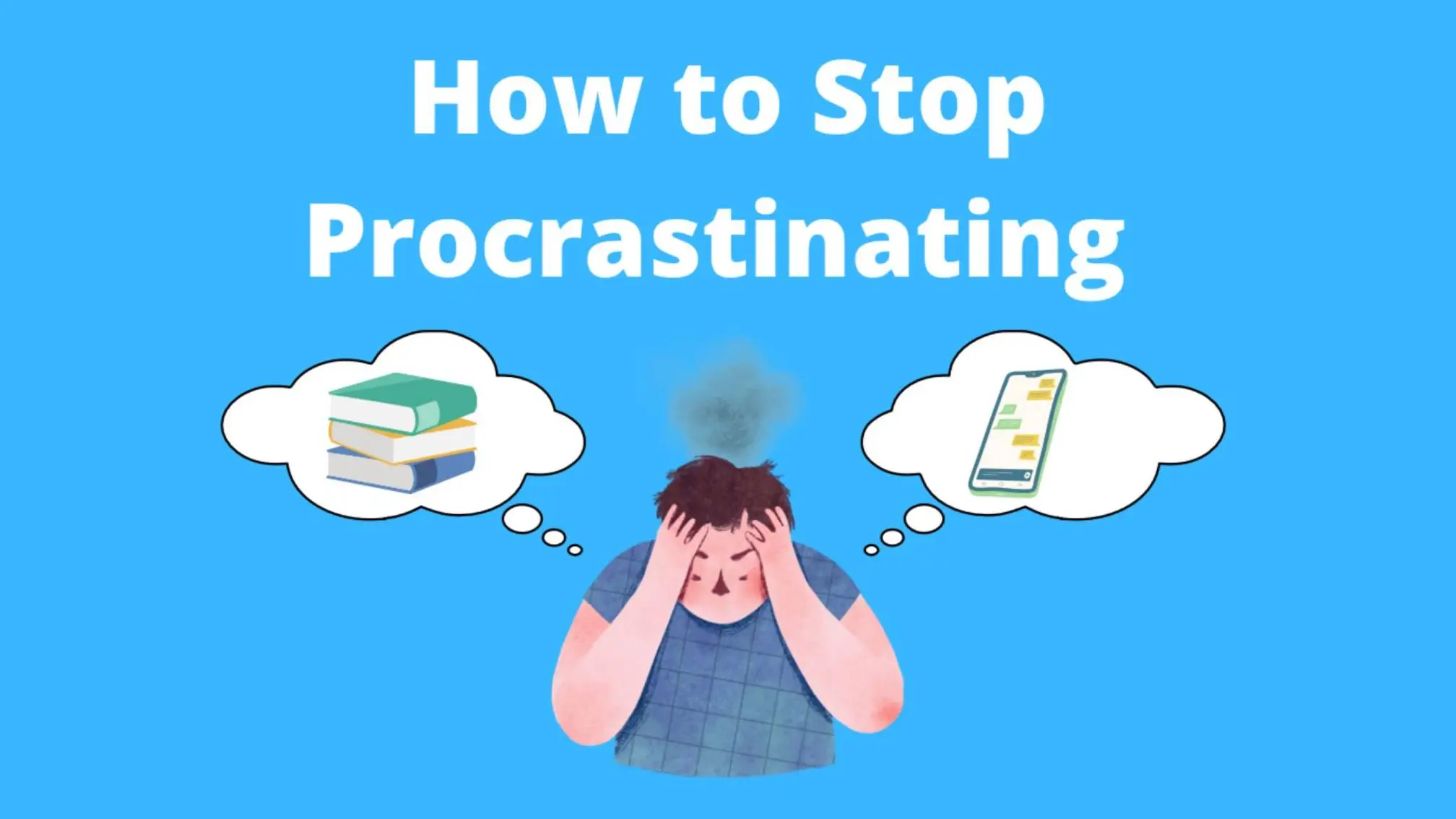
Distractions are the biggest problem when you study at home. Your phone is the number one distraction. Social media, games, messages. They all pull your attention away. You check your phone for two minutes. Those two minutes become twenty minutes. Those twenty minutes break your focus. It takes another twenty minutes to get back into your study flow. This is a huge waste of time.
Keep Your Phone Away
Put your phone in another room. Turn off the notifications. Better yet, switch it off. Tell your friends that you will be unavailable during your study hours. They will understand. If you use your phone for studies, use it only for that purpose. Do not switch to other apps.
Use Apps That Block Distractions
There are apps that block other apps. They let you set a timer. During that timer, you cannot open social media. You cannot open games. These apps are useful if you do not have the self-control to keep your phone away.
Talk To Your Family
Tell your family about your study schedule. Ask them to keep the noise down during your study hours. Ask them not to call you for small things during those hours. If they know your schedule, they will cooperate. They want you to do well. You just have to tell them what you need.
Handle Internal Distractions
Sometimes the distraction is inside your head. You worry about the exam. You worry about your marks. You worry about what your friends are doing. These thoughts take away your focus.
When you get such thoughts, write them down. Keep a small notebook for this. Write down whatever is bothering you. Just write it and leave it. Tell yourself that you will deal with it later. Now is the time to study. This writing helps you get the thought out of your system. It makes you feel lighter.
Step Six: Sleep And Food Are Not Optional
Students think that sleeping less means studying more. This is wrong. When you sleep, your brain stores all the information you learned during the day. If you do not sleep, your brain cannot store that information. It gets lost.
Get At Least Seven Hours Of Sleep
Do not cut your sleep below seven hours. If you feel sleepy during the day, your brain is not rested. You will not be able to focus. You will read the same line again and again. Your study time will become useless.
Try to sleep and wake up at the same time every day. This sets your body clock. Your body knows when to wake up. It knows when to sleep. You feel more energetic.
Eat Light And Healthy
Heavy food makes you sleepy. Eat light meals during the day. Eat small meals more often. Eat fruits and nuts. Drink plenty of water. Dehydration makes you tired. Keep a water bottle on your study table. Sip water throughout the day.
Avoid too much sugar. Sugar gives you a quick boost. Then it drops quickly. You feel tired and foggy. This is not good for studying.
Take Short Walks
Sitting for hours is bad for your body. It is bad for your back. It is bad for your eyes. It is also bad for your brain. Every few hours, get up and walk. Walk around the house. Walk on the terrace. Just move your body for five minutes.
This movement increases blood flow. It brings more oxygen to your brain. It makes you more alert. When you come back to your desk, you will feel refreshed.
Step Seven: Test Yourself Regularly
You cannot just study and hope for the best. You need to know where you stand. You need to know your weaknesses. The only way to find out is to test yourself.
Solve Past Papers
Get previous years' question papers. Solve them under exam conditions. Sit at your desk. Set a timer. Do not look at your notes. Do not look at your book. Just solve the paper.
When you finish, check your answers. Mark yourself honestly. See where you lost marks. Was it because you did not know the answer? Was it because you wrote the wrong answer? Was it because you ran out of time?
This practice helps you in two ways. First, you understand the pattern of the exam. You know which topics come often. Second, you get used to the pressure of time. When the real exam comes, you will not be nervous.
Give Yourself Weekly Tests
Every Sunday, take a test. It could be a full paper or just one chapter. Take it seriously. No cheating. No looking at the book. When you finish, evaluate yourself.
Keep a record of your marks. See if they are improving. If you see improvement, you will feel motivated. If you see no improvement, you know you need to change your method.
Ask Someone To Quiz You
Ask a family member to quiz you. They can ask you questions from your book. They can ask you definitions. They can ask you to explain a concept. When you answer out loud, you remember better. You also find out if you are confident about your answers.
Step Eight: Handle Exam Fear
Fear is normal. All students feel it. Even the toppers feel it. The difference is that toppers do not let fear stop them. They use the fear to push themselves.
Stop Comparing Yourself To Others
Your friend studies ten hours a day. Your cousin has finished the whole syllabus. You have only done half. This is a dangerous trap. Everyone has a different speed. Everyone has a different learning style.
Focus on yourself. Compare yourself to your past self. Ask yourself: Did I study more today than yesterday? Did I understand something today that I did not understand before? If the answer is yes, you are on the right track.
Take Deep Breaths
When you feel overwhelmed, stop. Close your eyes. Take a deep breath in. Hold it for four seconds. Breathe out slowly. Do this five times. Your heart rate will slow down. Your mind will get clearer. You will feel calmer.
This takes one minute. One minute of breathing can save you hours of useless worry. Do it before you start studying. Do it when you feel stressed. Do it before the exam.
Visualize Yourself Doing Well
Close your eyes. Imagine yourself walking into the exam hall. Imagine yourself sitting down. Imagine reading the paper and knowing most of the answers. Imagine writing confidently. Imagine finishing on time.
This visualization sounds silly but it works. Your brain does not know the difference between real and imagined. When you imagine success, your brain believes it. When the real exam comes, you will feel less nervous because your brain has been there before.
Step Nine: The Last Month Before Exams
The last month is the most important. This is where you move from learning to revising. Revision is different from learning. You do not need to understand new concepts. You need to remember what you already know.
Do Not Start New Topics
In the last month, do not start new topics. If you have not studied a topic, let it go. Focus on what you already know. Make it strong. Make it perfect. You will get more marks by perfecting what you know than by learning something new badly.
Make Short Notes
Write down key points from every chapter. Keep these notes short. One page per chapter. These notes are for the night before the exam. You cannot read the whole book the night before. But you can read one page of notes. These notes will keep everything fresh in your mind.
Revise At Least Three Times
One reading is not enough. You need to revise at least three times. The first revision takes time. The second revision is faster. The third revision is even faster. Each time, you remember more.
Use your notes for revision. Try to recall everything before you look at your notes. This active recall is better than passive reading.
Sleep Well Before The Exam
Do not stay up late the night before the exam. You need your brain to be fresh. Your brain has been working hard for months. One night of extra study will not help. It will only make you tired. Sleep early. Wake up early. Eat a light breakfast. Drink water. Then go and give your best.
Step Ten: On The Day Of The Exam
The day has finally come. You have prepared. You have studied. You have revised. Now it is time to write.
Reach On Time
Reach the exam hall at least thirty minutes early. This gives you time to settle down. You can find your seat. You can get your pens ready. You can calm yourself.
You May Also Like: Online Master's Secrets Your Future Depends On
Read The Paper Completely First
Do not start writing immediately. Take five minutes. Read the whole paper. See all the questions. Mark the ones you are most confident about. Start with those. This builds your confidence.
Manage Your Time
Divide your time according to the marks. If a question is worth five marks, do not spend twenty minutes on it. Look at the clock. Keep a pace. Answer all the questions. There is no point writing a perfect answer for one question and leaving two questions empty.
Write Neatly
The examiner has many papers to check. If your handwriting is messy, the examiner might miss important points. Write clearly. Underline the main points. Leave space between answers. This makes your paper look clean and organized.
Check Your Answers
If you finish early, do not leave. Read your answers again. Check for silly mistakes. Check for spelling errors. Check if you have attempted all questions. Many marks are lost because of small mistakes. You can catch these if you have time.
Final Words
Preparing for board exams at home is not easy. There are distractions. There is fear. There is self-doubt. But it is also a great opportunity. You get to learn at your own pace. You get to choose your own methods. You get to build discipline.
Remember that exams do not define you. They are just one part of your life. You have many years ahead. You have many things to achieve. This exam is important. But it is not the end of the world.
Give your best. Study hard. Take care of your body and mind. Trust your preparation. Walk into that exam hall with confidence. You have done the work. Now it is time to show what you know.
Good luck. You are capable. You are ready. Now go and study.
Frequently Asked Questions
Q: How many hours should I study every day?
There is no fixed number. Some students study for six hours effectively. Others study for ten hours but waste half the time. Focus on quality. If you study for six hours with full focus, that is better than twelve hours with no focus.
Q: Can I study on my bed?
You can, but it is not recommended. Your bed is for sleeping. When you study on your bed, you associate your bed with work. This makes it harder to sleep at night. Also, you are more likely to fall asleep while studying.
Q: Should I make notes or just read the textbook?
Make notes. Notes are for you. They are in your language. They have the points you find difficult. They are faster to revise. Notes are one of the best ways to remember long-term.
Q: What if I cannot concentrate even after trying everything?
Take a day off. Sometimes your brain needs rest. Take a complete break. Do something you enjoy. Watch a movie. Go for a walk. Meet a friend. Come back the next day. You will feel better. You will be able to focus again.
Q: Should I study with friends?
Group study works for some people. It does not work for everyone. If you study with friends, make sure you are actually studying. Do not use it as an excuse to talk. Set a goal before you meet. Finish that goal together. Test each other at the end. This can be useful.