The land along the Nile River holds many secrets. For thousands of years, people have been amazed by what the ancient Egyptians built and how they lived. They left behind huge stone pyramids, writings on walls, and stories that still make us wonder today. Some of the things they did might surprise you. Let us look at some of the most interesting facts about this old and interesting facts about ancient egypt.
The River Nile Was the Reason They Could Live and Grow
The Nile River was not just water. It was the thing that kept Egypt alive. Every year, between June and October, the river would rise and cover the land near its banks with water and a rich, dark mud called silt . This mud made the ground perfect for growing food. Farmers grew wheat, barley, grapes, and many kinds of vegetables . Without this yearly flood, the Egyptians would not have been able to build their great cities and pyramids.
The rising and falling of the river also gave the Egyptians a way to think about life and death. They saw how the land seemed to "die" when the water went down and then "come back to life" when the flood came again. This made them believe that people could also live again after death . This is one reason they spent so much time and effort on mummies and tombs.
The Pharaoh Was Not Just a King
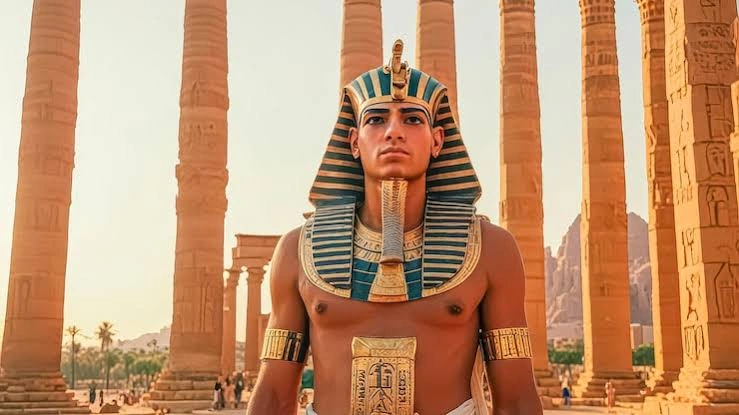
The ruler of Egypt was called a pharaoh. But the word "pharaoh" did not always mean the king himself. It first meant "great house," which was the name for the king's palace . People used this word when they talked about the king because it was not proper to say his real name .
The pharaoh was much more than a leader. People believed he was a living link between the gods and the people . He was the chief priest, the head of the army, and the head of the government . When a pharaoh died, people thought he became a god himself. This is why his tomb was such a big deal. The name "pharaoh" also shows that both men and women could hold this powerful job.
Read Also: Ancient Inventions That Prove History Was More Advanced Than We Thought
The Pyramids Were Not Built by Slaves
Many people think that slaves built the great pyramids. This is not true. The pyramids were built by workers who were paid for their work. These workers were taken care of during the time they spent building. They received food and a place to stay . Building a pyramid was a big job. For the Great Pyramid of Giza, there may have been at least 14,000 workers and perhaps as many as 200,000 . These workers were skilled laborers, not prisoners.
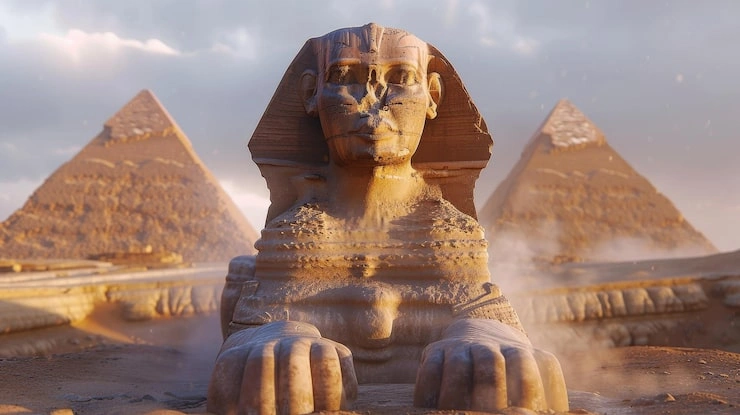
The pyramids were not just piles of stone. They were huge tombs meant to protect the body of the dead pharaoh. The shape of a pyramid was like a stairway that led up to the sky . The builders wanted to make sure robbers could not get inside. But even with all their skill, no pharaoh's mummy has ever been found inside a pyramid . All the ones we have found were hidden in other tombs.
Mummies Were Made to Keep the Person Alive Forever
Making a mummy was a careful and strange process. The Egyptians believed that a person had five parts: the body, the spirit, the personality, the name, and the shadow . They thought that if the body rotted away, all the other parts would die too. So, they preserved the body to keep the person alive forever.
The process of making a mummy was not simple. Workers had to take out the organs that would rot quickly. They put the stomach, liver, lungs, and intestines into four special jars called canopic jars . The heart was left inside the body because they thought it was the center of a person's being. Then they dried the body with a special salt called natron . After that, they wrapped the body in bandages soaked in resin .
Some mummies have interesting stories. The mummy of Ramesses II was flown to Paris in 1974. It was even given a passport. His job was listed as "King (Deceased)" . The oldest Egyptian mummies ever found are six bodies from Gebelein. They were made around 3400 BCE .
They Had a Calendar and a Way to Tell Time
The ancient Egyptians were among the first people to divide the day into 24 hours . Their year had 360 days, with five extra days added at the end to make a 365-day year. These extra days were for festivals. The farming year was split into three seasons: the flood season, the planting season, and the harvest season .
They used many ways to tell time. During the day, they used shadow clocks. These devices used the sun's position to mark the hours . At night, they used star clocks. These were tables of stars that helped them know the time in the dark . They also invented water clocks, which were shaped like vases with a small hole in the bottom. Water would drip out, and they could measure the time against a scale on the inside .
Writing with Pictures and Symbols
The Egyptians used a writing system called hieroglyphs. The word "hieroglyph" comes from Greek and means "sacred symbol" . This system used hundreds of different symbols. Some symbols stood for whole words, and others stood for sounds .
The writing system was not a secret code or something magical. It was just the way they wrote things down. We have found hieroglyphs on shopping lists, work rosters, and even ancient love letters . They wrote on stone walls and on papyrus, which was an early kind of paper made from a plant that grew in the Nile.
For a long time, no one could read hieroglyphs. This changed when the Rosetta Stone was found. This stone had the same text written in three different scripts: hieroglyphs, a simpler script called demotic, and Greek. By using the Greek, scholars were able to figure out what the hieroglyphs meant . The Rosetta Stone is one of the most important discoveries for understanding ancient Egypt.
How They Lived Every Day
The Egyptians had a way of life that was both practical and interesting. Rich people had large houses in towns and big villas in the country. Some villas had up to 70 rooms . The father was the head of the family, but women had rights too. They could own property and do business . Girls could marry when they were 12 years old, and boys at 15 .
In art, the Egyptians followed strict rules. When they painted a person, most of the body was shown from the side. But the eyes, shoulders, and chest were shown from the front . This made the people in the paintings look a certain way that followed tradition.
They also cared about how they looked in other ways. Many Egyptians shaved their heads. This was a good idea because Egypt is very hot, and it also helped keep head lice away. For special parties, they would wear wigs . Women would even put cones of scented oil on top of their wigs. The oil would melt in the heat and run down their clothes, making them smell good . Some of these "fat hats" were made of animal fat mixed with a sweet-smelling resin from a tree .
You May Also Like: Equine Legends: Uncovering the Most Famous Horses in History
They Had Knowledge of Medicine and Magic
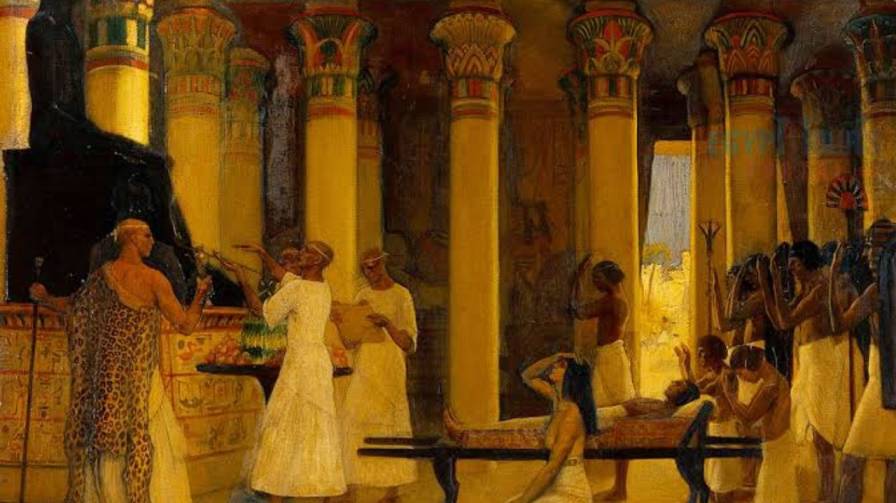
The Egyptians were known for their medical skills, even in other countries like Greece . They had doctors who specialized in different areas, such as eye doctors and dentists . They understood some things about the body, like the circulatory system. They performed surgery and had books that looked like handbooks for battlefield doctors .
But their medicine was not like ours today. Some of their cures were strange and might not work. For a toothache, a common treatment was half of a dead mouse, still warm, pressed against the aching tooth . Other remedies included earthworms boiled in oil, bread dough, and incense . They often mixed magic with medicine . The god Heka was the god of magic, and people believed magic helped with everything from healing to protecting the country .
Myths and Misunderstandings
There are many wrong ideas about ancient Egypt. Some people think the Egyptians worshipped cats. They did have cat goddesses, but they did not worship the animals themselves. That idea came much later from the Greeks . Another myth is that the Dendera temple shows a lightbulb. It actually shows the creation story and has nothing to do with electricity .
Many people also think that the god Seth was the god of evil. This is not quite right. Seth was a god of chaos, and he was not seen as completely evil until very late in Egyptian history, when he was linked to foreign enemies . Things are not always as simple as they seem when we look at a civilization from thousands of interesting facts about ancient egypt.
Conclusion
Ancient Egypt was a land of great builders, skilled writers, and people with a deep belief in life after death. The facts about their civilization show us that they were advanced thinkers who invented calendars, wrote with complex symbols, and built structures that still stand today. They faced the same problems we face, like how to tell time, how to treat sickness, and how to live a good life. The real stories of the pharaohs, the workers, and the people who lived along the Nile are more fascinating than any myth. Their legacy is all around us, from the way we measure time to the stories we tell about the past.