Could eating to keep your gut microbes fed actually be the key to better health? Our bodies are home to millions of microorganisms that research suggests hold the clue to how we fend off disease, process nutrients, and even affect how we feel.
Studies generally point to the idea that a varied diet is kind of fundamental for a healthy digestive system, yet not all foods are equal so we asked a gut microbiome scientist for the straight facts on which ones really make a difference, and why.
Top Gut-Friendly Foods That Support a Healthy Microbiome
The foods you eat play a major role in shaping your gut microbiome and overall digestive health. Adding fibre-rich, prebiotic, and fermented foods to your diet can help beneficial bacteria flourish and support long-term wellbeing.
Read More: Quick Breakfast Recipes Without Eggs or Milk – 10 Indian Ideas
Jerusalem artichokes
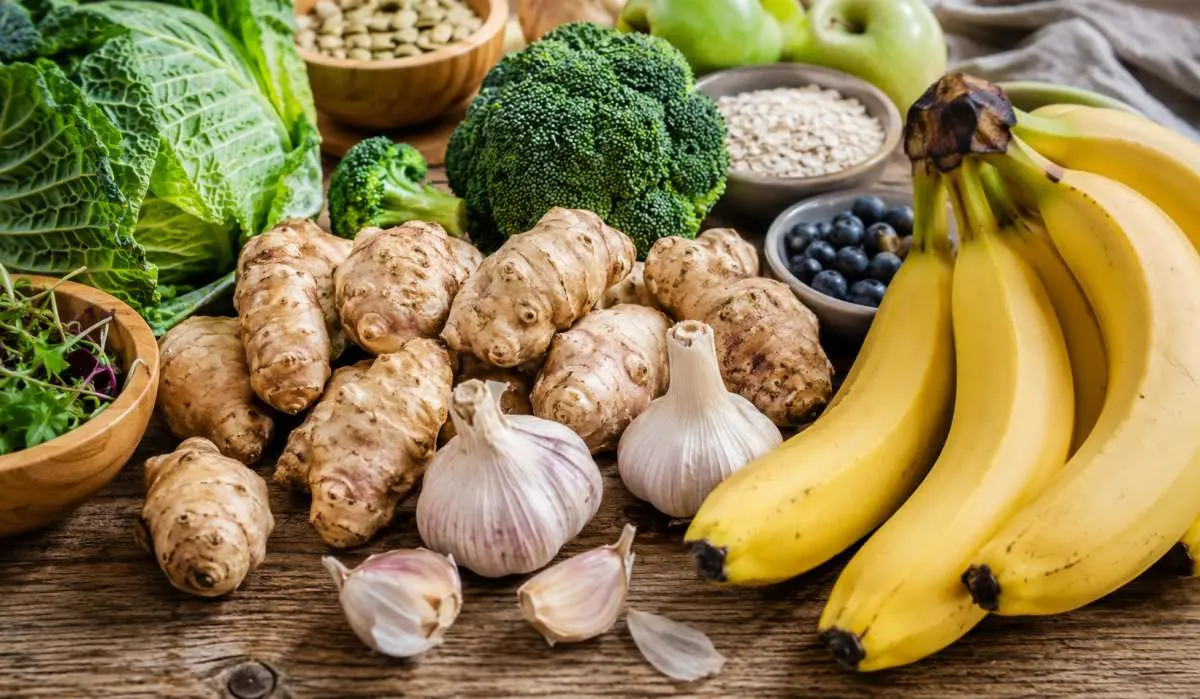
Knobby Jerusalem artichoke tubers are worth tracking down, because they bring prebiotic stuff to the table: fibre we can’t really digest, but which our microbes seem to love. “Jerusalem artichokes are a great source of inulin, a form of prebiotic fibre that supports gut health by nudging the growth of helpful bacteria, especially Bifidobacterium,” says Dr Miguel Toribio-Mateas, who’s a clinical neuroscientist, nutritionist and gut microbiome scientist focused on the link between the gut and mental health.
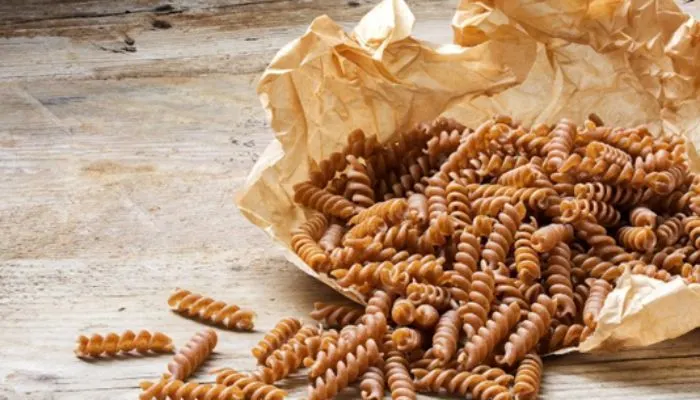
Wholegrain pasta
I thought pasta was just, full of carbs and not much else. Wholegrain pasta though packs in gut-friendly bits and bobs. “People often demonise it because of its gluten content, but wholegrain pasta is a strong contender in the search for gut health,” says Toribio-Mateas. “Its fibre levels act like a nurturing place for the gut microbiome, giving you that complex set of polysaccharides, and resistant starches.”
Bananas
Is there anything bananas can't do? Those sweet and nutrient-rich fruits have delighted people for ages, for their steady, slow-release energy and that solid hit of potassium - and yeah, they also help your digestion along. As Toribio-Mateas says, "green bananas and plantains include resistant starch, it works a lot like fibre, resisting digestion and then becoming a snack for our microscopic microbial friends," which is kind of a neat twist.
Cheese
When you look at how many of the world’s heritage cheeses producers make with cultured raw milk, it is not really surprising they come packed with a diverse microbiota, that’s really, good for nudging our own gut populations along. French research has shown that raw milk cheeses can meaningfully increase populations of gut microbes after a course of antibiotics, so yeah.
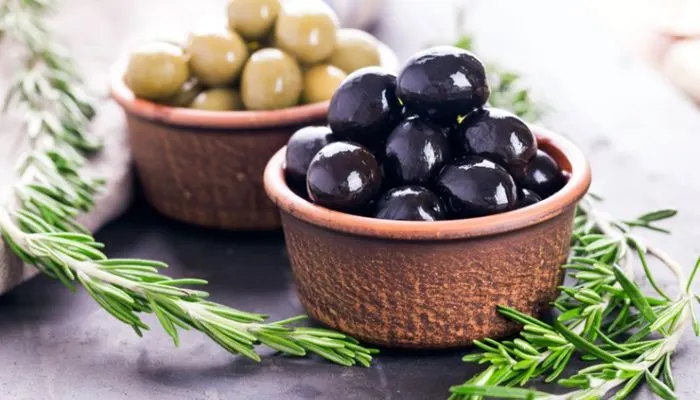
Black olives
Did you know that those gorgeously salty Greek black olives that show up on pizzas and in salads ferment? They’re also wildly rich in polyphenols, plant micronutrients that, based on a handful of research studies, interact with our gut microbes to help lower our risk of chronic disease.
Garlic
Garlic comes packed out with incredible nutrients, including vitamins B6 and C, selenium and manganese. The sharp bulb is also great for your microbiome. “Raw garlic is a rich source of inulin and fructooligosaccharides (FOS), potent prebiotic helpers that stimulate the growth of beneficial gut bacteria,” says Toribio-Mateas.
You May Also Read: 5-Minute Indian Recipes for Dinner: Quick, Real and Tasty Meals
Leeks
Leeks are pretty nutrient-dense vegetables and they have prebiotics in them. That essential piece, you know, is kind of important since it supports the growth of helpful bacteria in your gut, and as a result lowers the chance of inflammation. The green veggie is also loaded with a bunch of nutrients, such as magnesium plus vitamins A, C, and K, along with vitamin C.
Mushrooms
They’re tasty, flexible and do give real upsides for our gut health. A Chinese report pulling together scientific work, 2017, stated that the prebiotic parts in mushrooms help healthy groups of microbiotas really thrive in the gut. This keeps harmful bacteria under control and brings a noticeable effect on our overall wellbeing.
Watercress
This peppery salad leaf has delighted many for its flavour for a long time, but, according to a study from 2021 it also serves as a real powerhouse of flavonoids. That’s pretty great news for watercress fans because the microbes in your gut set to work turning these nutrients into compounds that help regulate the immune system and also push back against disease.
FAQs
1. What nourishments are best for progressing intestine health?
Foods wealthy in prebiotics, fiber, and useful microbes are best for intestine wellbeing. Cases incorporate Jerusalem artichokes, garlic, leeks, bananas, mushrooms, matured olives, and matured cheeses.
2. How do prebiotic nourishments offer assistance the gut?
Prebiotic nourishments contain strands that people cannot process but useful intestine microbes can. These filaments offer assistance solid organisms develop and flourish, moving forward absorption and intestine balance.
3. Are bananas great for intestine health?
Yes. Green bananas and plantains contain safe starch, a sort of fiber that bolsters advantageous intestine microscopic organisms and bolsters stomach related function.
4. Can cheese bolster a sound intestine microbiome?
Certain aged and matured cheeses contain advantageous organisms that may contribute to intestine microbiome differing qualities when devoured as portion of a adjusted diet.
5. How regularly ought to I eat gut-friendly foods?
Including a assortment of gut-friendly nourishments every day is prescribed. Reliable utilization of fibre-rich and matured nourishments makes a difference keep up a sound and differing intestine microbiome.